

rowingireland
Our Olympic Medalists!
First female athletes to win an Olympic Medal in rowing for Ireland 🥉🥉🥉🥉
History has been made by this incredible crew 👏👏
#wearerowingireland
Health & Wellbeing


It’s never too late to improve your golf swing. Our Mayo Clinic experts have the stretches to take your game to the next level:
Golf stretches can help get you ready for a day on the golf course. These golf stretches may help promote a fluid, full golf swing, which can improve your performance.
Before you start your golf stretches, you may want to warm up with 5 to 10 minutes of light activity, such as walking around the practice tee. If you have time, finish the full series of golf stretches found here. Hold each stretch for about 30 seconds.
Doing a single stretch one time is helpful. Do one set of golf stretches every day and another set before and after each round of golf.
Remember: Keep stretching gentle. Don’t bounce. If you feel pain, you’ve stretched too far.
Start off your golf stretches by first stretching the quadriceps. Quadriceps are the muscles in the front of the thighs. Start with this stretch:
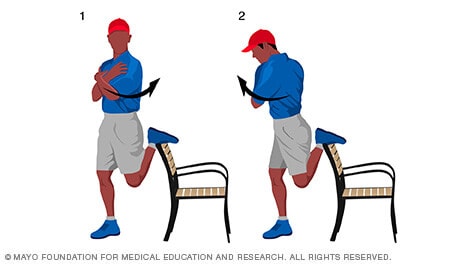
Next, stretch the back muscles:
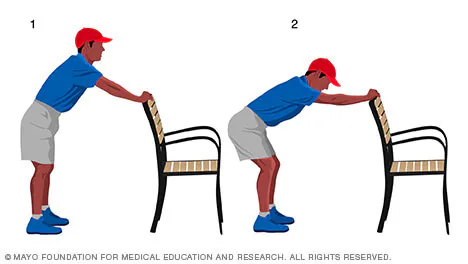
Now move on to the hamstrings. Hamstrings are the muscles in the back of the thighs. To do this stretch:
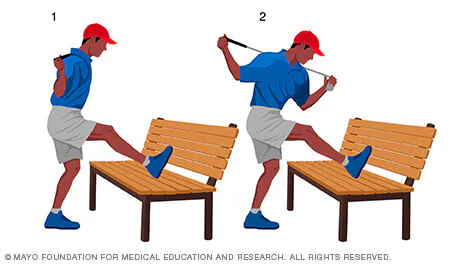
You can stretch your hips many ways. Try this seated stretch first:
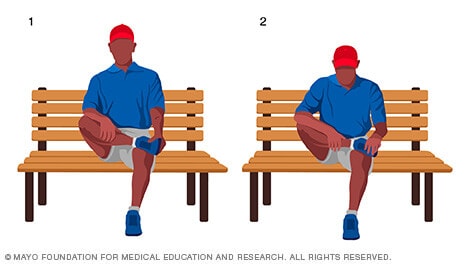
Try this hip and back stretch:
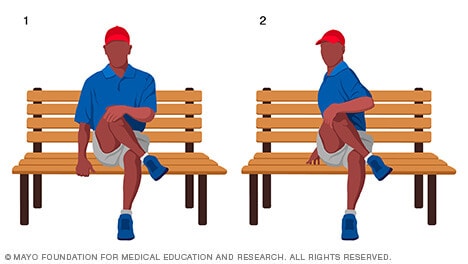
Here’s a final hip stretch:
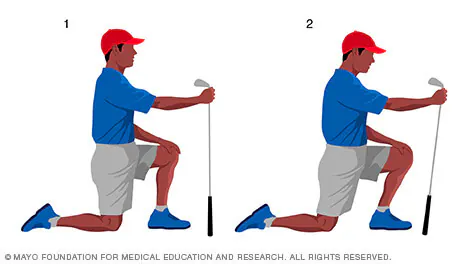
Now stretch your wrists upward:
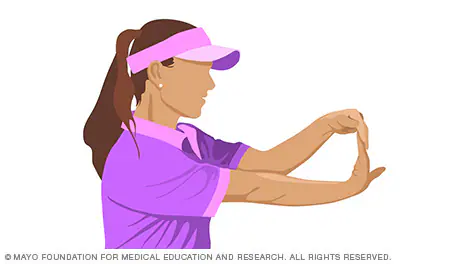
Stretch your wrists downward too:
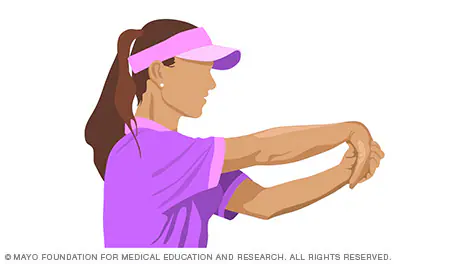
Next stretch your shoulders:
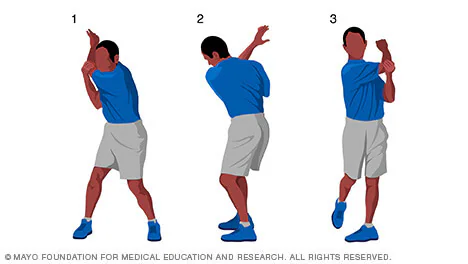
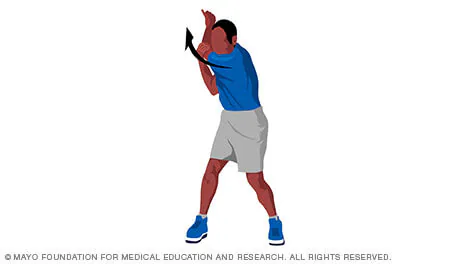
Finally, stretch the core muscles:
Originally published on Mayo Clinic

Liked by coleycashmangray and others

5 Poses to Strengthen Your Lower Back and Core—All Without Standing Up
If there is one thing I have learned again and again in the last year and a half, it is how quickly the nervous system can settle down simply by lying on the floor.
When yoga studios abruptly shut down a year and a half ago, it was the first time in 22 years I had zero pressure to practice yoga. I was no longer responsible for instructing several yoga classes a week, leading teacher trainings, and mentoring new teachers. During the first week or so of no in-studio classes, I thought, “what a great opportunity to finally take a break from yoga.”
By my third week of doing as little as possible, everything hurt and I felt like complete garbage. I’d conveniently forgotten how much I needed yoga. I practiced yoga regularly not only to take care of myself, but also because it inspires me, keeps me curious, and informs my teaching. My home practice was essential to my being able to effectively share yoga with students.
Even after that realization, on more days than I care to admit, I struggled to do yoga on my own. I would intend to practice but then curl up on my sofa and mindlessly scroll on my phone. Even though I knew that moving would improve my mood, I found that getting onto my mat felt monumental. It was as if there was a force field holding me back from doing the one thing that makes me feel better.
I still find it challenging to practice. I’ve come to understand, though, that when I start with the support of the floor against my back, I instantly feel better. I bend my knees, place my feet flat on the mat, close my eyes, and my attention immediately shifts to my breath. The moment I come back to my breath, my frazzled nervous system begins to settle. The quality of my breath changes and something inside me softens. My body feels better, my mind has more clarity, and everything in life seems more tolerable.



 Fitnessaware