Bridge Pose
Bridge Pose (or Setu Bandha Sarvangasana) is a gentle yoga backbend that can be energizing, rejuvenating, or luxuriously restorative.
Health & Wellbeing
Core exercises train the muscles in your pelvis, lower back, hips and abdomen to work in harmony. Learn more and find out why core exercises are an important part of a well-rounded fitness program.  https://mayocl.in/2oZ4fPd
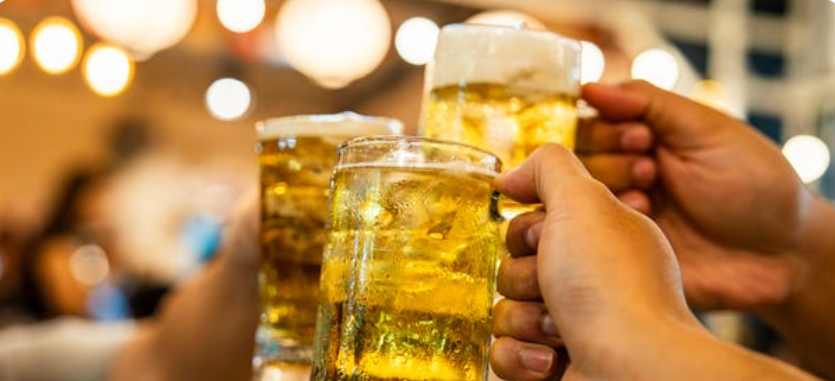
Waiting until you cross the finish line to toast with your running buddies can set you up for better sleep, more energy, and faster splits.
By Morgan Petruny, Mallory Creveling, CPTPublished: Sep 07, 2026 2:56 PM EDT
Whether you’re racing the mile or the marathon, dozens of factors can influence how you perform on race day. One thing that almost certainly won’t help you clock a faster finish: alcohol.
To understand how drinking can affect your training and running performance, we spoke with Tamanna Singh, MD, director of Cleveland Clinic’s Sports Cardiology Center and codirector of its Women’s Integrated Sports, Exercise, and Research (WISER) Center, RRCA-certified run coach, and marathoner.
Singh explains exactly why and when you’ll want to cut out booze as you prepare for a race, so you show up on the starting line ready to run your best. You’ll also learn how alcohol affects two essential tools for recovering well and racing strong.

According to Singh, there’s no hard cutoff for when you need to stop drinking before a race. That said, she explains that there are specific times during your training cycle when alcohol can be especially detrimental to your performance.
“If you’re following a 12- to 16-week training cycle for a marathon, lay off the alcohol from about weeks six to nine, or nine to 12 [respectively],” she says.
Those three to four weeks just before your taper, when you’re hitting those 18- to 20-mile long runs, are when you really want to be prioritizing your recovery, Singh explains. That includes getting high-quality sleep, adequate hydration, and ensuring good heart-rate recovery and variability—all things that alcohol can significantly impair.
Most runners will usually taper for about two to three weeks before their race, Singh adds, and that’s also a time you’ll want to avoid booze. “During that time, you really want to have a good reset for your body so it can focus on muscle repair, synthesis, and recovery,” she says. Because alcohol affects all those factors, many people won’t drink during that time—and plenty of athletes just don’t drink at all during their entire training cycle. This allows you to train hard, recover well, and show up fresh and ready to race!
The days leading up to your race are a key time to focus on getting enough carbohydrates, fluids, and electrolytes. Doing so helps prime your body to hit that starting line strong, explains Singh. Physiologically, having a beer during this time can interfere with your efforts to stay adequately fueled and hydrated.
“Alcohol is metabolized by the liver, and essentially the liver is the organ that’s responsible for getting rid of all of the body’s toxins,” Singh says. When you drink, the liver needs to clear that alcohol first, which requires your body to use glucose. The problem is that you also need that glucose for energy to run well and hit your goal race paces.
“If you have alcohol in your system, your liver is going to prioritize breaking down that alcohol instead of providing glucose for you to utilize for energy,” Singh says. With less glucose available to fuel your working muscles, maintaining your usual pace can feel noticeably harder.
So, instead of having a drink in the days or weeks leading up to your race and risking more fatigue than you want on your big day, wait until you cross the finish line to celebrate with a postrace beverage, Singh says.
Booze can also wreak havoc on your sleep, which many experts consider the single most powerful tool runners have to improve their recovery.
“Alcohol impairs the ability for the body’s muscles to repair, synthesize, and recover while we sleep,” Singh says. “It actually inhibits growth hormone, which is responsible for all of that muscle recovery.”
Not only does alcohol lower your sleep quality, but it can also cause insomnia for some individuals, which can mean sleep quantity suffers, too. In order to perform well day after day in training, you really need both good sleep quality and adequate sleep quantity, adds Singh, or you won’t be able to perform.
Even one night of poor sleep can affect your running the next day. In a study published in Physiology & Behavior, researchers asked 20 runners to complete a 12-minute, self-paced time trial after getting eight hours of sleep and again after getting just four hours. After the night of less shuteye, the runners covered 6 percent less distance and reported a higher rate of perceived exertion, more fatigue, and worse overall mood.
Finally, alcohol can also lower your heart rate variability (HRV). HRV reflects the balance and activity of your sympathetic (“fight or flight”) and parasympathetic (“rest and digest”) nervous systems as your body responds to changing demands throughout the day. A higher HRV generally indicates that those systems are well-regulated, which can signal better recovery and cardiovascular fitness, Singh explains.
All things considered, alcohol delivers a harsh double whammy to your running recovery and your overall fitness. When you’re preparing for a race, it can be a huge benefit to eliminate booze from your training plan entirely. You might just find yourself crossing the finish line a little faster and stronger—which will make that postrace toast with your running buddies all the sweeter.
Waiting until you cross the finish line to toast with your running buddies can set you up for better sleep, more energy, and faster splits.
By Morgan Petruny, Mallory Creveling, CPTPublished: Sep 07, 2026 2:56 PM EDT
Whether you’re racing the mile or the marathon, dozens of factors can influence how you perform on race day. One thing that almost certainly won’t help you clock a faster finish: alcohol.
To understand how drinking can affect your training and running performance, we spoke with Tamanna Singh, MD, director of Cleveland Clinic’s Sports Cardiology Center and codirector of its Women’s Integrated Sports, Exercise, and Research (WISER) Center, RRCA-certified run coach, and marathoner.
Singh explains exactly why and when you’ll want to cut out booze as you prepare for a race, so you show up on the starting line ready to run your best. You’ll also learn how alcohol affects two essential tools for recovering well and racing strong.
According to Singh, there’s no hard cutoff for when you need to stop drinking before a race. That said, she explains that there are specific times during your training cycle when alcohol can be especially detrimental to your performance.
“If you’re following a 12- to 16-week training cycle for a marathon, lay off the alcohol from about weeks six to nine, or nine to 12 [respectively],” she says.
Those three to four weeks just before your taper, when you’re hitting those 18- to 20-mile long runs, are when you really want to be prioritizing your recovery, Singh explains. That includes getting high-quality sleep, adequate hydration, and ensuring good heart-rate recovery and variability—all things that alcohol can significantly impair.
Most runners will usually taper for about two to three weeks before their race, Singh adds, and that’s also a time you’ll want to avoid booze. “During that time, you really want to have a good reset for your body so it can focus on muscle repair, synthesis, and recovery,” she says. Because alcohol affects all those factors, many people won’t drink during that time—and plenty of athletes just don’t drink at all during their entire training cycle. This allows you to train hard, recover well, and show up fresh and ready to race!
The days leading up to your race are a key time to focus on getting enough carbohydrates, fluids, and electrolytes. Doing so helps prime your body to hit that starting line strong, explains Singh. Physiologically, having a beer during this time can interfere with your efforts to stay adequately fueled and hydrated.
“Alcohol is metabolized by the liver, and essentially the liver is the organ that’s responsible for getting rid of all of the body’s toxins,” Singh says. When you drink, the liver needs to clear that alcohol first, which requires your body to use glucose. The problem is that you also need that glucose for energy to run well and hit your goal race paces.
“If you have alcohol in your system, your liver is going to prioritize breaking down that alcohol instead of providing glucose for you to utilize for energy,” Singh says. With less glucose available to fuel your working muscles, maintaining your usual pace can feel noticeably harder.
So, instead of having a drink in the days or weeks leading up to your race and risking more fatigue than you want on your big day, wait until you cross the finish line to celebrate with a postrace beverage, Singh says.
Booze can also wreak havoc on your sleep, which many experts consider the single most powerful tool runners have to improve their recovery.
“Alcohol impairs the ability for the body’s muscles to repair, synthesize, and recover while we sleep,” Singh says. “It actually inhibits growth hormone, which is responsible for all of that muscle recovery.”
Not only does alcohol lower your sleep quality, but it can also cause insomnia for some individuals, which can mean sleep quantity suffers, too. In order to perform well day after day in training, you really need both good sleep quality and adequate sleep quantity, adds Singh, or you won’t be able to perform.
Even one night of poor sleep can affect your running the next day. In a study published in Physiology & Behavior, researchers asked 20 runners to complete a 12-minute, self-paced time trial after getting eight hours of sleep and again after getting just four hours. After the night of less shuteye, the runners covered 6 percent less distance and reported a higher rate of perceived exertion, more fatigue, and worse overall mood.
Finally, alcohol can also lower your heart rate variability (HRV). HRV reflects the balance and activity of your sympathetic (“fight or flight”) and parasympathetic (“rest and digest”) nervous systems as your body responds to changing demands throughout the day. A higher HRV generally indicates that those systems are well-regulated, which can signal better recovery and cardiovascular fitness, Singh explains.
All things considered, alcohol delivers a harsh double whammy to your running recovery and your overall fitness. When you’re preparing for a race, it can be a huge benefit to eliminate booze from your training plan entirely. You might just find yourself crossing the finish line a little faster and stronger—which will make that postrace toast with your running buddies all the sweeter.

Surround yourself with people who get it  Tweet a friend you want to make shapes with this weekend.
  : YogaWorks Baltimore teacher Jodi Huffman


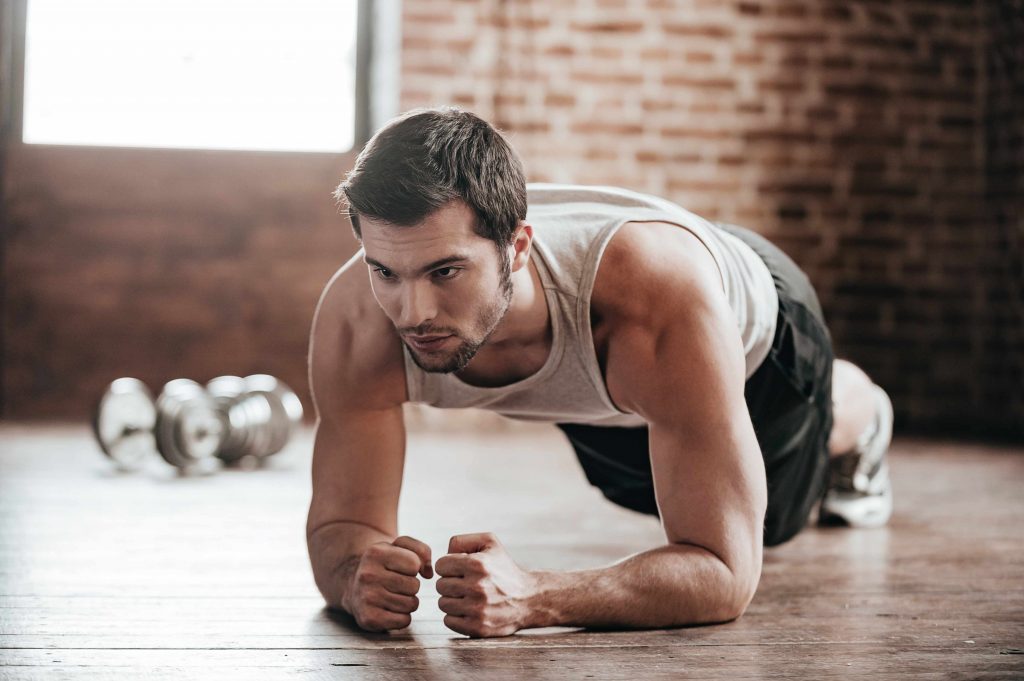
Once you’ve nailed the proper plank form, challenge yourself with these slight modifications—they’ll help you really tap into all the benefits you can get from spending that time on your hands and forearms.
Clasping your hands in a forearm plank makes the exercise feel easier—but that means you’re not maxing out the benefits. “It can also promote a rounded posture instead of a stable, upright one,” says O’Brien, and that’s the opposite of what you’re going for in this position. Instead, press your palms into the floor. “That will create more shoulder engagement and stability as a bonus.”
A straight arm plank is going to be more challenging, says O’Brien. “Dropping to the elbows can help you maintain proper form because it’s easier to hold,” she says. It’s a great option for someone who isn’t yet strong enough to maintain an engaged core and flat back (it also takes some of the work off of the shoulders, if that’s a problem area for you).
It’s tempting to grit your teeth as you hold the pose, but you want to inhale and exhale steadily throughout. “Breathing will help you consciously engage the transverse abdominis muscle,” says DuFlo. “If you see your belly doming or bulging outward along midline, it means you are likely not engaging this correctly or holding your breath.”
RELATED: 5 Strength Training Myths for Runners (and the Truth Behind Them)
If holding a plank for a minute or more is easy for you, place your palms, forearms, or feet on a pillow, BOSU ball, Swiss ball, or other unstable surface. “That can kick on the deeper core, the transverse abdominis, in a different way, and just add an additional challenge to your other muscles,” says DuFlo.
There are tons of ways to make a plank more challenging, in addition to targeting other muscles that will help your running form. Spider planks (bringing your knee to tap the same shoulder) and windshield wiper planks (where you extend one leg at a time out towards the hip) help with the hip rotator muscles, for example, while reverse planks activate the glutes and stretch the chest, says O’Brien. Just make sure you can maintain good form while doing these harder variations.
RELATED: I Completely Swear By This 3-Move Core-Strengthening Sequence
0
https://www.yogajournal.com/lifestyle/yoga-for-better-sex-life
“I’ve learned that having sex and feeling sexy can and should come from the purest space.” — Rina Jakubowicz
Nir Livni
Feel like you’ve lost your sense of Self in the noise of social media or societal expectations? It’s time to get on the mat and reclaim who you are. Join author and yoga teacher Rina Jakubowicz for Empowered Vinyasa: Journey to Your Highest Self, a series of 10 yoga classes and companion dharma talks that zero in on principles of yoga philosophy—from The Bhagavad Gita and the Hindu spiritual tradition Vedanta—that are essential to self-exploration. Sign up today!
When I was going through a divorce 10 years ago, I used affirmation practices to try to shift my mindset during the healing process. One phrase I repeated often was “I am beautiful.”
As silly and simple as this may sound, it really helped me. Failing at a marriage is very painful and I carried a lot of judgments about myself, especially since I had been the first in the family to get a divorce. Walking around each day with this affirming thought, even if I didn’t believe it in the beginning, was life-changing. It helped me realize that my words and thoughts are powerful and that I’m in control of how I feel about myself. I began walking with confidence and maintaining a sense of calm in my communication and interactions. In addition to the affirmation practices, I started studying in the Bhagavad Gita and began to apply some of the teachings to my relationships, including in the bedroom. It took several years, but I began to develop a healthier relationship with myself and my sexuality. I learned how to break down my sexual walls and release judgment and fear to become my gorgeous, badass self from within.
I’ve learned that having sex and feeling sexy can and should come from the purest space. That will create the most euphoric and pleasurable experience for both you and your partner. I now teach “Sattvic and Sexy” workshops and courses because I want to help more women tap into this empowering space where they can stop harshly judging themselves or suppressing their sexuality.
See also “Three Things Divorce Taught Me About Love”
Sattva is the highest of the three gunas (mental qualities) in Ayurveda. It means pure, poised, or objective. The lower two gunas are tamas and rajas. Tamas is a mental state of inertia, dullness, or laziness. Rajas is associated with mental agitation and hectic activity. We need rajas to move us away from tamas, but our ultimate goal is to move into sattva. If you’re passionate about something or someone but you’re overthinking, emotional, or getting caught in your head, then there’s an attachment and you’re in rajas. If you have passion from a pure place and it doesn’t control you, then you’re sattvic.
See also How a Sattvic (Pure) Diet Brings You Into Balance + 2 Ayurvedic Recipes
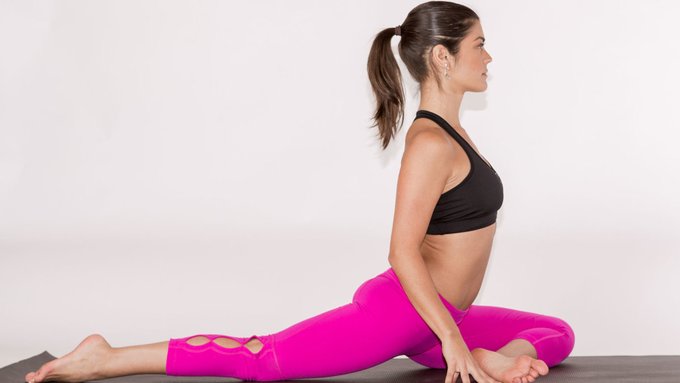
To start feeling more empowered, sexy, and content in your life and relationships, try this 8-pose sequence. Each posture is paired with an affirmation to inspire you to become the best version of yourself, both as a lady and a lover, so you can create the sex life and the spiritual life you deserve.
Then, join me for a free “Sattvic and Sexy” webinar on April 10 at 2:30 EST. I’ll share more tips for developing a healthier relationship with yourself, your sexuality, and your partner. Register today!


https://www.yogajournal.com/lifestyle/yoga-for-better-sex-life