Recipe: Charred Broccoli Tabbouleh Salad

Charred-Broccoli-Tabbouleh-scaled

Try this delightful twist on traditional tabbouleh. Blend nutritious, high fiber bulgur with charred broccoli, chickpeas and tahini. You’ll get bone-building vitamin K, and vegetarian-friendly protein. And you’ll also get great taste.

Ingredients

¼ cup bulgur wheat
1 broccoli crown
2 tablespoons extra virgin olive oil
¼ plus ⅛ teaspoon kosher salt
¼ teaspoon freshly ground black pepper
½ English cucumber, cut into small pieces
1 cup grape tomatoes, quartered
2 scallions (white and light green parts), thinly sliced
15.5-ounce can (no salt added) chickpeas, drained and rinsed
3 tablespoons fresh lemon juice
1 tablespoon tahini*, well stirred

Directions

  1. Put the bulgur into a small bowl and cover with hot water by 2 inches. Let stand until the bulgur is tender, about 30 minutes. Drain into a strainer and shake out excess water.
  2. Heat the oven to 425°F.
  3. Cut the broccoli into small florets and place on a rimmed sheet pan. Drizzle with the oil and sprinkle with ¼ teaspoon of the salt and pepper. Toss and spread into a single layer. Roast until tender and charred at the edges, 12 to 15 minutes. Let cool.
  4. In a large bowl, combine the cucumber, tomatoes, scallions, chickpeas, bulgur, and broccoli.
  5. In a small bowl, whisk together the lemon juice, tahini, and remaining ⅛ teaspoon salt. Pour over the salad and toss well to combine.

Nutritional information

Calories 251

Total fat 10g
Saturated fat 1.5g
Protein 11g
Carbohydrate 33g
Dietary fiber 7g
Sugar 4.6g
Added sugar 0g
Cholesterol 0mg
Sodium 452mg

Recipe developed by cookbook author Sara Quessenberry for Cleveland Clinic Wellness
 

Recipe: Charred Broccoli Tabbouleh Salad

Charred-Broccoli-Tabbouleh-scaled

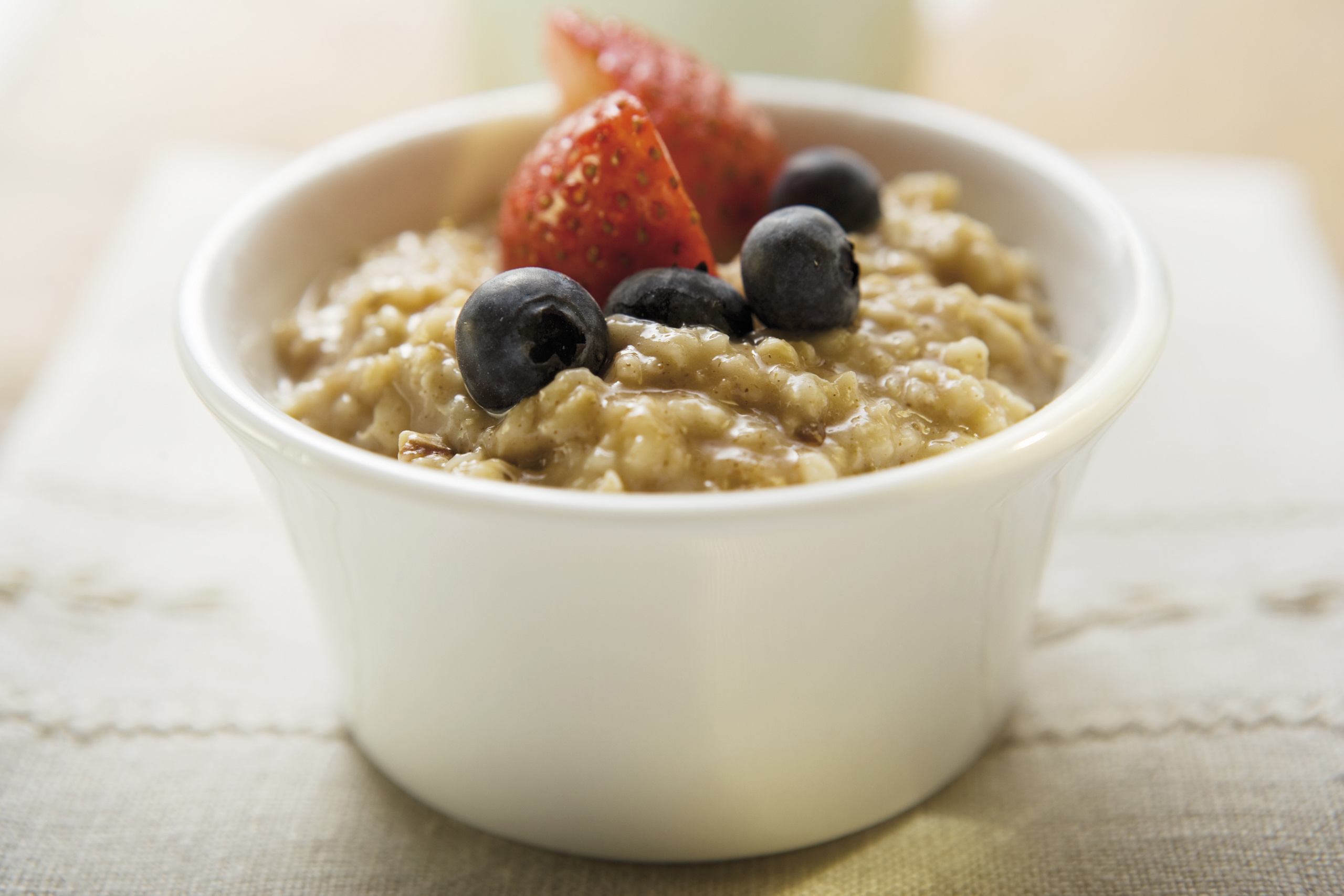
Try this delightful twist on traditional tabbouleh. Blend nutritious, high fiber bulgur with charred broccoli, chickpeas and tahini. You’ll get bone-building vitamin K, and vegetarian-friendly protein. And you’ll also get great taste.

Ingredients

¼ cup bulgur wheat
1 broccoli crown
2 tablespoons extra virgin olive oil
¼ plus ⅛ teaspoon kosher salt
¼ teaspoon freshly ground black pepper
½ English cucumber, cut into small pieces
1 cup grape tomatoes, quartered
2 scallions (white and light green parts), thinly sliced
15.5-ounce can (no salt added) chickpeas, drained and rinsed
3 tablespoons fresh lemon juice
1 tablespoon tahini*, well stirred

Directions

  1. Put the bulgur into a small bowl and cover with hot water by 2 inches. Let stand until the bulgur is tender, about 30 minutes. Drain into a strainer and shake out excess water.
  2. Heat the oven to 425°F.
  3. Cut the broccoli into small florets and place on a rimmed sheet pan. Drizzle with the oil and sprinkle with ¼ teaspoon of the salt and pepper. Toss and spread into a single layer. Roast until tender and charred at the edges, 12 to 15 minutes. Let cool.
  4. In a large bowl, combine the cucumber, tomatoes, scallions, chickpeas, bulgur, and broccoli.
  5. In a small bowl, whisk together the lemon juice, tahini, and remaining ⅛ teaspoon salt. Pour over the salad and toss well to combine.

Nutritional information

Calories 251

Total fat 10g
Saturated fat 1.5g
Protein 11g
Carbohydrate 33g
Dietary fiber 7g
Sugar 4.6g
Added sugar 0g
Cholesterol 0mg
Sodium 452mg

Recipe developed by cookbook author Sara Quessenberry for Cleveland Clinic Wellness


Quick & Easy Microwaveable Porridge Oats are a delicious way to kickstart your day!

odl micro porr feb 16

Red Bean and Coconut Rice.@Yoga_Journal

red bean & cocnut rice

Red Bean and Coconut Rice

This colorful rice plate is a great stand-alone dish or the perfect base layer for another protein.

The sweetness of the onion and the coconut milk complements the saltiness of the rice, so ensure you season this dish well. You can use red onion if you want a sweeter flavor and add a couple of finely diced fresh green chilies along with the onion, if you’d like more heat. The rice gets a beautiful pink color from the red kidney beans that looks pretty served with a mixed green salad, such as lettuce and sliced avocado.

See also Tias and Surya Little’s Elemental Bowl Has Everything You Need for Optimal Vitality

  • Duration
  • 4Servings

Ingredients

  • 1 large onion, finely sliced
  • 4 garlic cloves, finely chopped
  • 1 1/4 cups basmati rice, washed and drained
  • 1/2 x 14 oz. can red kidney beans, drained and rinsed
  • a big handful of fresh cilantro, finely chopped (stems and all)
  • scant 1 cup coconut milk mixed with the same amount of cold water

Preparation

Heat 2 tablespoons of sunflower oil in a heavy-based saucepan and fry the onion and garlic on high heat for 3–4 minutes, then reduce the heat to medium and fry for a further 2 minutes, or until soft.

Add the rice and fry for 30 seconds, without stirring too much, then add the kidney beans, cilantro, and some salt and black pepper to taste.

Pour in the coconut milk and water mixture. Bring to a boil, then stir the rice once and cover. Reduce the heat to the lowest setting and simmer for 12 minutes without lifting the lid.

Remove from the heat and leave the pan, covered, for a further 5 minutes to allow the rice to finish cooking in the steam.

Remove the lid, fluff up the rice with a fork, and serve hot.

Cover-India7

Excerpted from Indian in 7: Delicious Indian Recipes in 7 Ingredients or Fewer by Monisha Bharadwaj, Kyle Books 2019. Reprinted with permission.
8 Great Benefits of Onions

onions

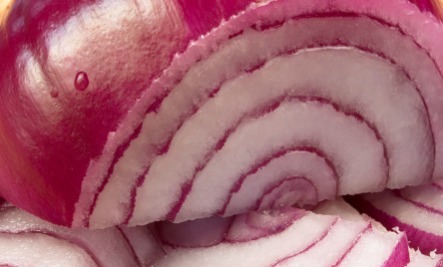
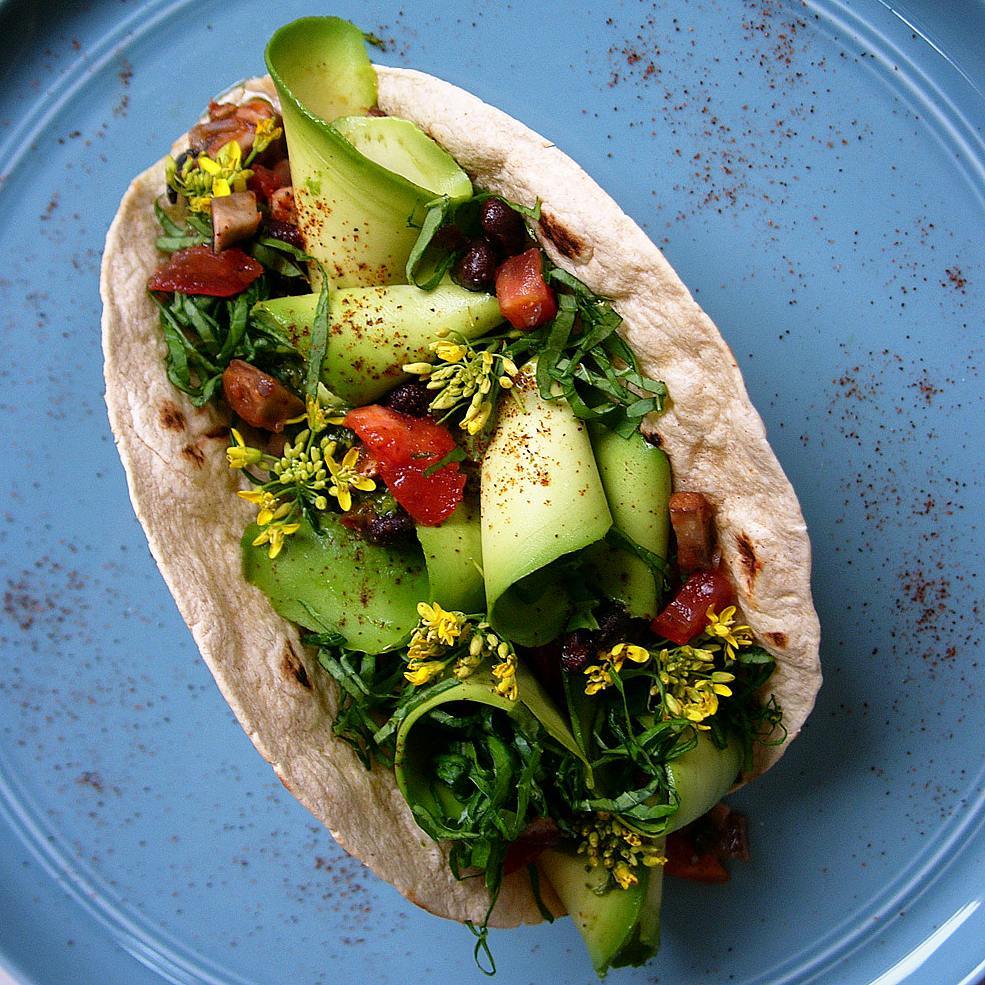
Never mind the tears they bring on—onions are an ace ally in your fight against disease. A prized member of the lily family, they lavish you with health benefits while adding oodles of taste to your food.

A quick glimpse at their incredible health benefits:

  • The phytochemicals in onions improve the working of Vitamin C in the body, thus gifting you with improved immunity.
  • Onions contain chromium, which assists in regulating blood sugar.
  • For centuries, onions have been used to reduce inflammation and heal infections.
  • Do you enjoy sliced onions with your food? If yes, rejoice! Raw onion encourages the production of good cholesterol (HDL), thus keeping your heart healthy.
  • A powerful compound called quercetin in onions is known to play a significant role in preventing cancer.
  • Got bitten by a honeybee? Apply onion juice on the area for immediate relief from the pain and burning sensation.
  • Onions scavenge free radicals, thereby reducing your risk of developing gastric ulcers.
  • Those bright green tops of green onions are rich in Vitamin A, so do use them often.

My favorite way to enjoy onions is to slice them really thin, squeeze some lemon juice on top and add a little salt. Sprinkling a few freshly washed cilantro leaves adds fragrance and flavor to this simple, quick salad, without which no dinner of mine is complete.


This Anti-Inflammatory Golden Goji Latte is the Perfect Self-Care Sunday Elixir@Yoga_Journal

What to Eat Before a Run of Any Distance

runners world food for your run

Runner’s World
@runnersworld

Your body usually needs something to kick-start your workout. Here’s a breakdown of what you need depending on the type of run.

Choosing what to eat before a run plagues nearly every one of us until you figure out what works best for you. And because people tolerate foods differently, there is no one-size-fits-all when it comes to prerun fueling. Some runners swear by eating nothing before short or easier runs, while others have to put something in their system. That said, there are some general guidelines to follow as you prepare a prerun snack or meal.

What to Eat Before a Long Run

Long runs are most commonly defined as being 60 minutes or more, and once you get into half or full marathon training, a good chunk of your runs will be at least 60 minutes.

What you eat before a long run is a good dress rehearsal for your prerace breakfast, says Lizzie Kasparek, R.D., sports dietitian for the Sanford Sports Science Institute.

Long runs require more energy than shorter runs, which means your prerun snack or meal will be larger and take a little more time to digest. That’s why Kasparek recommends eating two to four hours before a long run (and eventually, your race).

“Whether you give yourself a few hours or just an hour to digest, focus on consuming mostly carbs,” she says. Your body’s preferred fuel source is simple carbs—banana, oatmeal, white bagel, a honey packet—because it can be quickly turned into energy.

Yes, we know that may mean an early wake-up for morning runners, but you’ll be grateful when you have the energy to push past the first hour. Plus, you can always wake up, eat a little something, and go back to sleep until run time.

Try: A small bowl of oatmeal topped with a few slices of banana
For sensitive stomachs: Half a white bagel with peanut butter or serving of white rice

What to Eat Before a Sprint/Interval Workout

Often, speed work doesn’t last for more than 60 minutes, but the workout is much more intense than slower, longer miles. And because of this, your body needs prerun carbs, says Kasparek, who points out that some people also like a little bit of protein with this snack.

Honey Stinger Energy Gel, 6 Pack
amazon.com

$11.75

“You need to provide your body with quick carbs that give your body energy it can use right away,” she says.

Try: Plain greek yogurt with blueberries or banana with peanut butter or handful of dry cereal or Honey Stinger gel
For sensitive stomachs: Half a banana

What to Eat Before an Easy Run

Most easy runs don’t require a prerun snack—even those that are pushing 60 minutes, says Kasparek.

“If you’re going out for a quick 30- or 40-minute easy run, and you haven’t eaten in a couple of hours or it’s in the morning after an overnight fast, you’re probably not going to die if you don’t eat before that run,” she says.

The best thing to do is schedule those easy runs around your normal snacks and meals. For example, after a morning run, use your breakfast as your recovery meal, which will include carbs plus 15 to 25 grams of protein, says Kasparek.

If you’re running in the afternoon, instead of having your usual 3 p.m. snack and a 4 p.m. prerun snack, skip the prerun snack, or bump your 3 p.m. snack to an hour before your run. Then Kasparek suggests making your postrun meal your dinner.

That said, if you know that you can’t run well or safely without something in your system, have something small like half a banana or a tablespoon of peanut butter. And remember, easy means easy, so running at a relaxed pace that you can maintain and talk to a friend effortlessly if needed.

Try: Eggs with toast or a protein shake or oatmeal made with milk after a morning run, or salmon with rice or a veggie stir-fry after an afternoon or evening run

What to Eat Before a Race

If you’ve been training properly, you have practiced your prerace meal before your long runs, says Susan Paul, exercise physiologist and program director for the Orlando Track Shack Foundation. “Race morning is not the time to try anything new,” she says.

For shorter distances, like a 5K or 10K, your breakfast should be similar to what you’d eat before a track (interval) workout, because the intensity is higher, while the duration is shorter.

For longer distances, like a half or full marathon, your breakfast—and the timing of when you have it—should be similar to what you practiced eating before your long runs.

As Paul and Kasparek point out, give yourself plenty of time to digest before you head to the start line. And because you might have hours between the time you have breakfast and toe the line, bring an extra snack, says Kasparek.

Clif Bar Energy Bar, 12 Count
amazon.com

$10.59

“You don’t want to be hungry on the start line,” she says.

Try: Bagel with peanut butter + gel or Clif bar 30 minutes prior to the start

RELATED: Build a killer midsection in the kitchen for powerful, effortless miles on the road with Eat for Abs!