

Our physical therapists work closely with our physicians and performance specialists to create a customized plan to help patients achieve the highest level of function. Learn more about our PT team at: mayocl.in/2MqlrIJ #PTmonth
Health & Wellbeing
YogaWorksVerified account @YogaWorks 9 minutes ago
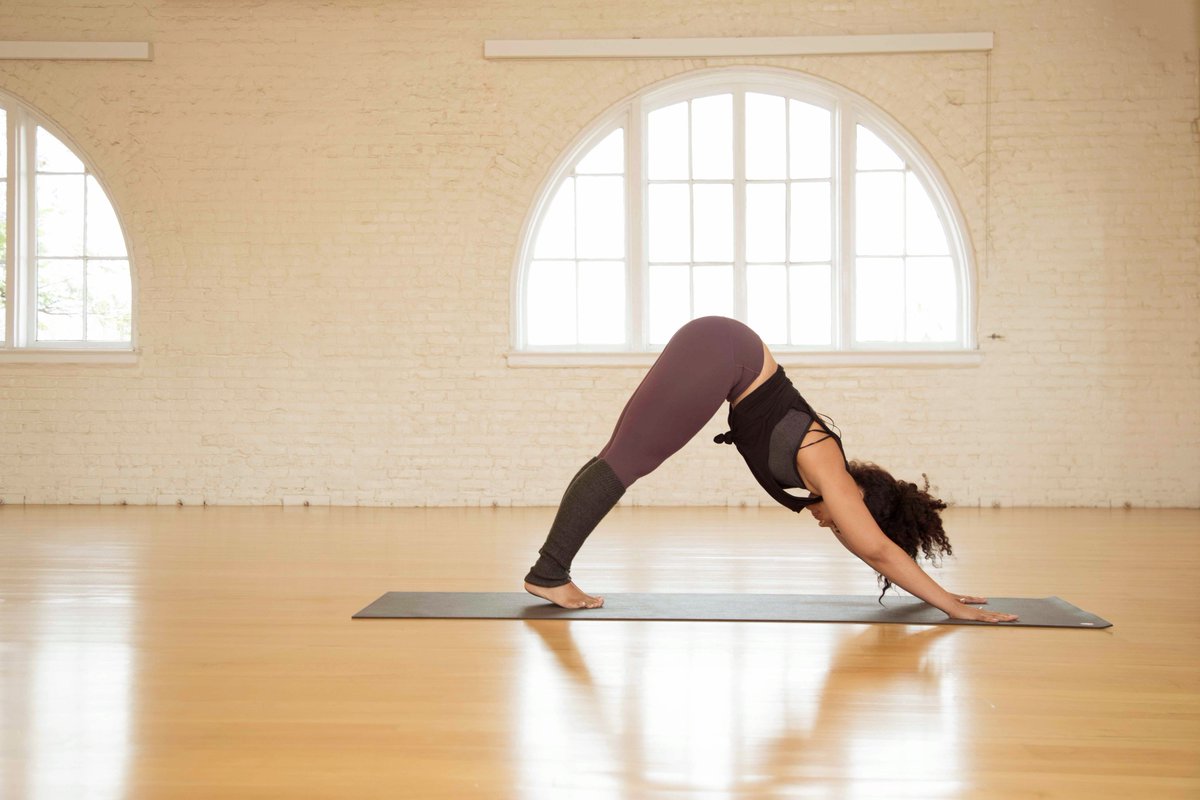
Spend your day getting back to the basics. #DownwardDog

Answers to your most frequently asked questions as the virus continues to spread.

This is a rapidly developing situation. For the most up-to-date information, check resources like the Centers for Disease Control and Prevention (CDC) and World Health Organization (WHO) regularly. This story will be updated as new information becomes available.
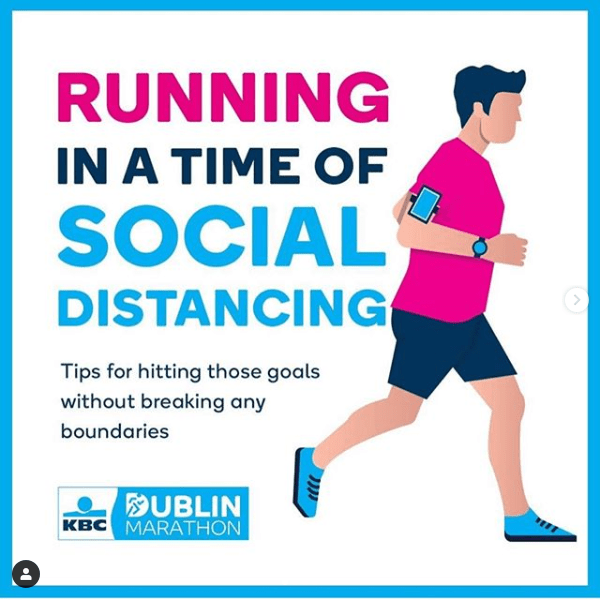
While the coronavirus pandemic continues to spread, causing running races—and many other large events—to be postponed and canceled, you might be wondering what you should do for your own personal health and how this could affect your training.
Yes—in fact, it’s safer to be outside than inside when it comes to disease transmission. When people congregate together and someone sneezes or coughs, droplets get onto objects that people touch, and then people touch their face, Nieman explains. The best plan for running right now is to go out for a solo run and enjoy the outdoors.
Additionally, people might be afraid to run in the colder weather for fear of illness, but that’s not true; there is no data that you will get sick from really any respiratory pathogen when running in cold weather, Nieman says.
Getting in 30 to 60 minutes of moderate to brisk activity can help your immune system keep viruses at bay. Be sure you know what’s going on in your area and if there are any restrictions or mandatory self-quarantines. And, if you’re sick or at-risk of spreading the virus, you shouldn’t go out—the bigger concern is spreading it to those who are at high risk, such as the elderly or immunocompromised.
During a self quarantine, Nieman suggests doing some exercise while staying where you are quarantined to keep healthy—doing bodyweight exercises or running on an at-home treadmill are great ways to do this. Unless you’re sick.
“If you do have flu or coronavirus, or have fever, sick people think wrongly they can ‘exercise the virus out of the system’ or ‘sweat it out,’ that’s a myth. It’s actually the opposite,” Neiman says.
Effective March 19, residents of the state of California were ordered to shelter in place until further notice, meaning everyone is to stay inside their homes and away from others as much as possible. However, as outlined in the directive first put in place in San Francisco, this allows for people to go outside and engage in solo outdoor activity, such as running, walking, and hiking, as long as people practice safe social distancing (stay six feet apart) and do not gather in groups.
And, according to a press conference, New York City may soon follow suit.
Overall, be sure to check your local public health recommendations and the current health mandates in your area, found on your state and local government website before heading anywhere for a workout. (You can find a directory of state health departments here.)
Your exposure to sick people running outside should be minimal, as someone who has a fever and a cough won’t feel like going for a run, Labus says. As of March 15, the CDC recommends that for the next 8 weeks, in-person events that consist of 50 people or more are canceled or postponed. And, the President’s Coronavirus Guidelines for America suggest that people avoid social gatherings of over 10 people for the next 15 days to help slow the spread.
If you find yourself in a group or on a crowded route, you could protect yourself a bit by spreading out (6 feet apart is the recommendation for safe social distancing) and avoiding unnecessary hand-touching. And of course, don’t forget to wash your hands when you get back.
The latest data with the novel coronavirus is that it does not last very long on objects outside because of the exposure to sunlight. In general, objects outside should have little virus on them, Nieman explained. However, there could be a problem if someone coughs into his or her hand immediately before touching a traffic button, and then you touch the traffic button after them. If you must touch the traffic button, do not touch your face after. Even better? Use a glove (then avoid touching your face), sleeve, or elbow.
According to the CDC, transmission of the coronavirus happens between people who are in close contact with one another (about six feet) and through respiratory droplets, produced through a cough or sneeze—not sweat.
This is one thing we don’t fully understand yet about coronavirus. You are probably contagious right before you begin to show symptoms, but we don’t know for what time period and we don’t know how contagious. It makes sense that you would be more contagious once you are coughing, but we don’t fully understand transmission yet, Labus says.
Social distancing is the answer right now, Nieman says. Experts are still trying to figure out how long the virus lives on objects, and the problem is that it appears to be highly contagious, spread easily by coughing and sneezing, and can be spread by people who don’t think they’re sick. That’s why hand-washing and not touching your face are so important.
As you deplete your stores of glycogen, your immune system does not function as well as it normally does. That means in the hours following a half marathon or marathon, if you have been exposed to someone who has been sick with the flu or coronavirus, your bodies defenses are down, Neiman says. Additionally, mental or physical stress—caused by running a marathon or a very hard workout—could slightly increase your chances of becoming ill, Labus explains.
“I would caution runners to avoid long, intense runs right now until we get through all this and just to kind of keep things under control,” Nieman says. “Don’t overdo it. Be worried more about health than fitness.”
However, that doesn’t mean you need to quit running or exercising altogether. There is a very strong connection between regular exercise and a strong immune system in the first place, so the long-term immune system benefits of running far outweigh any short-term concerns, Labus says.
Many cities and states around the country are taking extra measures to help prevent the spread of coronavirus. Gyms across the country like Barry’s Bootcamp, Mile High Run Club, and WORK Training Studio are temporarily closing out of an abundance of caution. Gyms (and other nonessential businesses) in states including New York, Connecticut, New Jersey, California, Pennsylvania and Kentucky are also closed. Overall, be sure to check your local gym and local public health recommendations before heading anywhere for a workout. (You can find a directory of state health departments here.)
At this time, at-home workouts may be your best bet for keeping up your fitness routine and helping to ensure your own health and the health of those around you. Many closed gyms are offering free online streaming of their workouts.
And, no matter where you sweat, you should remember to wash your hands regularly, especially after your workout and wipe down all your equipment when you are done using it.
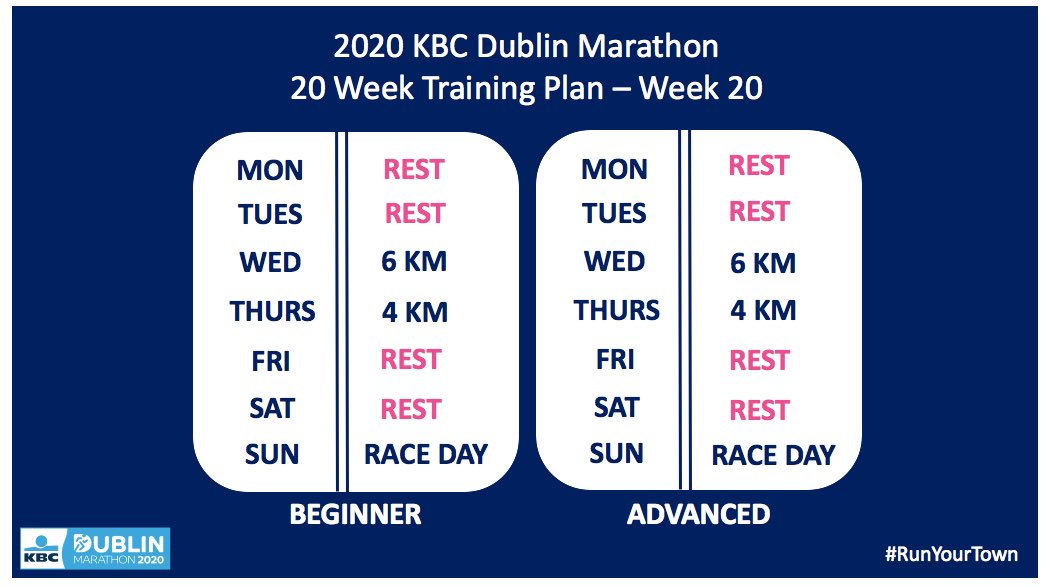
You might be wondering what to do about your St. Patrick’s Day 5K, or the marathon you’ve been training for. Bottom line, no. As of March 15, the CDC recommends that for the next 8 weeks, in-person events that consist of 50 people or more are canceled or postponed.
Nieman suggests that the goal right now is to avoid crowds and gatherings of people indoors and outdoors until we know better about how the virus can spread.
You might be seeing group runs or unofficial races popping up in your community in place of canceled races. But any time people come together, there is a chance for the disease to spread. Again, as of March 15, the CDC recommends that for the next 8 weeks, in-person events that consist of 50 people or more are canceled or postponed. And, the President’s Coronavirus Guidelines for America suggest that people avoid social gatherings of over 10 people for the next 15 days to help slow the spread.
In general, be mindful of your interactions with others and take basic steps to protect yourself, like washing your hands, limiting direct contact with others, and not touching your face, you can reduce your risk of many different infections, Labus says. Remember that, even though everyone is focused on coronavirus, flu is still circulating widely.
Spreading COVID-19 via spit is possible, according to Amy Treakle, M.D., an infectious disease specialist with The Polyclinic in Seattle. “COVID-19 is spread by respiratory droplets when a person coughs or sneezes, and transmission may occur when these droplets enter the mouths, noses, or eyes of people who are nearby. Spit contains saliva but could also contain sputum from the lungs or drainage from the posterior nasopharynx,” she says.
Sorry, snot rocketeers: Treakle says shooting mucus out of your nose isn’t any better. “Having witnessed and participated in races, I think it’s appropriate to note that this would apply to projectile nasal secretions.”
And, the spread of the particles being about six feet (current safe social distancing recommendations) is based on people standing near each other and not fast movement or strong air currents. Those could increase or decrease that distance. In a scenario where someone runs into a sneeze or a cough, that would obviously present an increased risk, says Labus. That’s why it’s important to stay in your home if you are feeling sick or have been exposed to someone who is sick, in order to mitigate the risk of spreading the virus to others.
Experts don’t yet know the risk of transmitting the virus from surfaces like clothing, Treakle says. But the World Health Organization reports that coronaviruses can remain on surfaces for a few hours up to several days. If your clothing gets hit by spit, avoid touching the area, and change your clothing as soon as possible, washing your hands afterward. To disinfect clothing, wash it in hot water and use the dryer’s high setting.
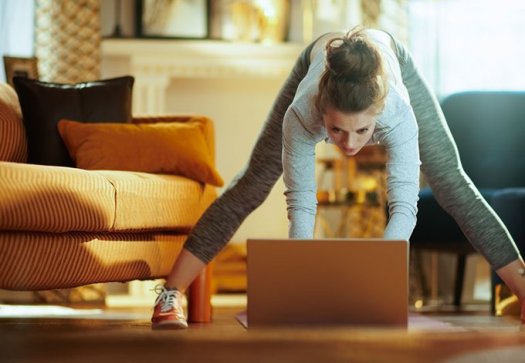
Whether you’re a fitness fanatic or casual gym goer, the thought of picking up a dumbbell covered in germs is enough to make anyone cringe. And with the spread of coronavirus (COVID-19) becoming more prominent every day, gyms and fitness centers across the country are closing their doors to help protect members.
If staying active is an important part of your life (as it should be!) you might be wondering how you’re supposed to go about this whole at-home workout thing. Thankfully, it’s easier than you think.
“A lot of what you’ll find with at-home workouts is about maintaining your current level of fitness,” explains exercise physiologist Katie Lawton. “And with workouts, consistency is key.”
Here Lawton shares some practical advice about how to stay active at home.


Putting on a mask every day before you go out not only provides protection, it is a way to create a ritual behavior that instills a mind and body connection; a physical representation of being mindful during this chaotic time. 😷🙏🏻 #onzie #mindfulmask
DM us for orders ✅
Available in-store at Kata & Asana
📍G-9, Al Barsha Mall, Dubai
#selflove #facemask #staysafe #facemaskdubai #kataandasana
#homequarantine🏡 #covid19
#safe #protectivestyles #ppe
#personalprotectiveequipment
YogaWorksVerified account @YogaWorks 9 minutes ago
Spend your day getting back to the basics. #DownwardDog
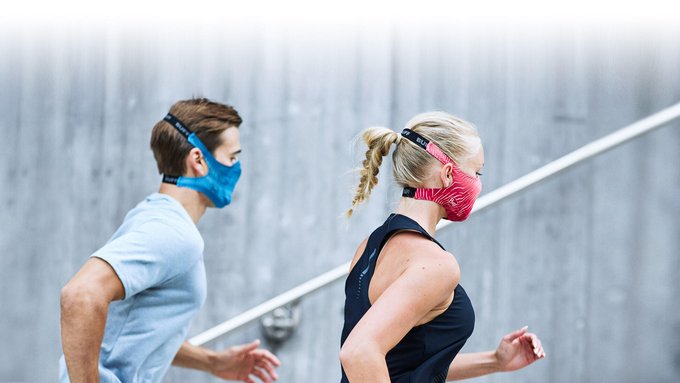
As much as we’d prefer otherwise, wearing facial coverings while running outdoors, at least in well-trafficked spaces, is a reality this fall. The following runner-friendly masks and neck gaiters offer a variety of unique features so you can choose what is best for your particular preferences.
Masks are only effective when the fit is snug enough that there are no gaps. Face coverings must be secured to prevent the slipping down that often results from the jostling of running.
As a bonus to doing your part in fighting a pandemic by wearing a reusable, washable face covering, in many cases the manufacturers donate PPE, money, or love as part of the purchase package. That said, please note that these masks are not intended for medical use, but rather for exercise.

The most breathable of the lot, the design by the ASICS Institute of Sports Science concentrates on preventing droplet spread by covering air passages without restricting airflow. The fit provides ample clearance so it doesn’t rub and, thanks to strategic air holes, exhalation is uninhibited, while still restricting moisture droplets in the air. The moisture-wicking inner material is soft on the skin and exterior is water-repellent. The mask is easy to adjust and wear around the neck when not deployed.

It makes sense that a bedding and pillow company would produce the softest mask of the bunch. It is also quick drying, features an inner layer with antimicrobial treatment, and is moisture wicking. But due to its triple-layer construction, it falls on the thick side of the scale and, as such, made it relatively hard to breathe through while running.

The simplicity of this mask is what makes it work so well: double-layer cotton with one size that truly does fit most. The lack of adjustability and other snazzy features is surpassed by the mask’s comfort, breathability, and value.

With a dual-layer barrier, these simple, form-fitting masks are lightweight, breathable, and moisture wicking. The inner layer is an antimicrobial plush mesh and the woven outer shell is protective. The tapered design helped the “one size fits most” be true to the mask’s promotion. The fabrics are domestic and repurposed/upcycled.

If being aerodynamic is the objective, this sleek, form-fitting mask tops the list. The mask is both breathable and adjustable to ride securely on the run. It represents the company’s response to so many using the original Buff as a facial covering, and the fact that the brand is headquartered in hard-hit Spain, which is why the Filter Mask incorporates COVID-safe elements, such as the 3-layer filter that meets surgical mask standards. It is built with 4-way stretch cooling fabric that features an antimicrobial interior mesh treatment, is moisture wicking, and comes with five replacement filters that can be used for approximately 24 hours each (if you reserve the mask for the hour of running you do each day, that can last you about four months, or you can order a pack of 30 replacement filters for $22).

When you are running in a quiet area where crossing paths with humankind is rare, wearing a neck gaiter makes a lot of sense: You can easily pull it up during the passing period and then down when distancing can be maintained. That up-and-down convenience and thin, breathable fabrics are why neck gaiters are often graded down in mask testing for aerosols, when measured indoors. But if you don’t run inside, a seamless Buff, especially if doubled up, with a plush feel, four-way stretch, and moisture-wicking ease, is a worthwhile go-to face covering for runners.

This soft, lightweight, and breathable mask comes with adjustable ear loops and a nose bridge wire so they feel custom-fit. The multi-colored, reversible designs are bright and made from two layers of unused, repurposed surplus 100% cotton fabric. Besides saving unwanted fabrics from becoming waste, for every mask purchased another is given to someone in need. They were a favorite among testers.

This mask got major thumbs up from testers. It comes in four different sizes and, with an under-the-chin wrap, nose clip, and adjustable ear loops, it is sure to provide a secure, conforming, and unrestrictive fit. Highly breathable, thanks to the honeycomb outer material, the mask has an inner pocket to slip in a nanotech filter to protect against airborne nastiness. Each replaceable filter is good for 200 hours of use. The soft bamboo lining and antibacterial and hypoallergenic materials help to make this one of the best on the market.

One might think that a 100% merino wool neck gaiter would be hot but, thanks to the thermodynamic qualities of wool, this tube maintained a nice temperature and wicked sweat. Nor did it get stinky. And in cooler temps, the wool provided welcome warmth.

Wash and wear; as in wash one while wearing the other. These double-layer cotton canvas masks are slightly boardy and the rigidity has the bonus of providing some breathing room so the mask won’t stick to your face. The ear loops are adjustable and the design contours nicely with the face.

This is the mack-daddy of masks for its novel construction, versatility, adjustability, and breathability. It boasts Polygiene antimicrobial treatment and an internal Lycra gaiter for added comfort to the nose and chin. The elastic straps are adjustable and do a fine job securing the flexible support frame with an ergonomic, enveloping shape that fits snugly on a variety of face shapes and sizes. The mask comes with 30 replacement filters but, unfortunately, installing and replacing the filters is somewhat wonky, enough so that most users will likely use the mesh outer mask without them, greatly reducing its effectiveness against droplet release.

Seamless and stretchy, this quick-drying neck gaiter is well suited for colder-weather runs, when warmth and overall coverage is a plus. It is not a top choice for warmer climes.

These soft, double-layer masks feel cotton-like but are made of moisture-wicking, quick-to-dry fabric. The adjustable strap wraps around the neck so you can let the mask dangle when not in use. Testers, however, found the masks thick enough to compromise breathability, making it difficult to run very hard.

Also a crowd pleaser, Outdoor Research put a lot of thought into these customizable masks with adjustable ear loops, wire nose bridge, and side pockets for securing replaceable paper filters that block more than 95% of virus bacteria and particles. The kit comes with one mask and a three-pack of filters that slide in easily. The durable, comfortable polyester mask fabric is coated with a germ-resistant treatment that is full strength for 30 washes.

As a hybrid mask and neck gaiter, this washable dual-surface merino wool blended fabric face covering is versatile and comfortable. Unlike other tube-like neck gaiters, Voormi cut down on bulk by integrating ear loops and using a contoured fit that is shorter in the back and longer in the front. The fabric breaths well, is plush, and has natural odor management qualities.
 Fitnessaware