Skinny jeans are creeping back into the fashion cycle—but before you panic, Kendall Jenner’s latest look proves they can be sleek, modern, and nothing like the skintight pairs of yore.
Meanwhile, if your end-of-summer plans involve travel, a naturopath shares five simple, anti-inflammatory habits to help you feel your best while on vacation.
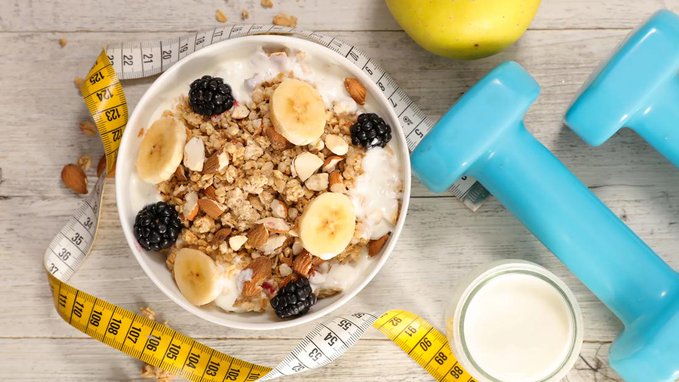
Having a well-rounded, healthy nutrition plan is just as important as staying consistent with your exercise routine
When you’re an athlete racking up miles and muscle, your body needs extra fuel to keep up with the amount of exercise you’re doing and help speed up recovery. That’s what makes sports nutrition so important — it offers you a path to making sure you’re getting all the nutrients you need, even as you sweat.
Sports and nutrition
For the most part, athletes will eat higher quantities of food more often than non-athletes because food is equivalent to energy. But that isn’t always the case, and some meal plans may work better for you than for someone else.
“Everyone’s body is very different, so it’s really important that we specialize individualized nutrition plans,” says registered dietitian Carly Sedlacek, RD, LD.
Bringing your physical fitness goals to a dietitian can help provide you with a holistic, balanced and personalized approach to eating healthy beyond simply counting calories. If you’re trying to build muscle, for example, your goals for nutrition will likely be different from someone who’s trying to lose weight.
Overall, when sports nutrition is combined with consistent exercise, it can boost your performance and help you feel great, even on rest days. Regardless of your goals, the following areas of sports nutrition can help.
Hydration
When you exercise, you lose a lot of water and electrolytes through sweating. Drinking enough water before a training session and throughout a workout can help replenish what’s lost.
At minimum, you should drink about 16 ounces of water two to three hours before exercise, and about 4 ounces every 15 to 20 minutes while exercising. It’s also important to make sure you’re drinking plenty of water throughout the entire day.
Sometimes, athletes prefer to use sports drinks after exercising because they’re packed with electrolytes to replace what was lost in sweat. “Electrolyte beverages should be used during activities lasting longer than 60 minutes,” says Sedlacek. “If you have a history of chronic disease or conditions, check with your doctor before including higher sodium beverages.”
Carbohydrates
Carbohydrates are your body’s main source of energy. While carbs are not the only food you should focus on, they should be something you consider as part of every meal, especially in the hours leading up to a workout or training session.
“Before exercising, you want to stick with foods that tend to digest easily, including some carbohydrate sources like fruits (bananas, apples or oranges), oatmeal or rice,” advises Sedlacek. “If you’re doing a longer workout routine that’s more than an hour long, you’ll want carbohydrates during that time to get that boost of quick-acting energy.”
Protein
Protein is the building block for your muscles. Without it, muscle recovery slows, along with your ability to build muscle mass. In general, you should try and get most of your protein from whole food sources like:
Salmon and other fish
Eggs and egg whites
Greek yogurt
Beans and legumes
Chicken
Tofu
Low-fat cheeses
But when you’re short on time, you can turn to protein powders or protein shakes between meals, in addition to having some protein at every meal.
“Protein helps with muscle recovery,” shares Sedlacek. “Getting at least 25 to 35 grams of protein right after exercise is helpful because that’s when your body prefers to use it.”
Fats
In general, having a healthy, well-rounded diet that incorporates an abundance of fruits, vegetables and plant- or animal-based sources of protein is key. That means healthy fats (like olive oil, avocado and fatty fish) also play a role as a secondary source of energy. Not only do they fill you up faster, but they also help your body better process other micronutrients, like fat-soluble vitamins.
Supplements
When it comes to supplements (like protein powders or pre-workout beverages), you want to use them sparingly. As you’re consuming more than the general population to keep up with your level of athleticism, supplements should be used to fill in a gap and not as a meal replacement.
“We want to try and stick to a food-first approach the best we can because the body is able to utilize those sources a little bit better than supplements,” explains Sedlacek.
Timing
When it comes to meals and snacks, timing is everything. You should try to aim for three spaced-out meals a day with snacks in between each meal. When it comes to exercise, you’ll want to have something small to eat (usually carbs or protein) at least an hour or two before exercising and immediately after a workout.
“It’s important to be consistent,” states Sedlacek. “If we’re going into an exercise and we don’t have enough energy to pull from, our body can end up pulling energy from our muscles. So, it’s important to have something small to eat before working out.”
Next steps
Sports nutrition can require a lot of fine-tuning, especially when you’re just getting started. Working with a dietitian and a physical fitness trainer can help get you the support you need for your specific situation.
And if at any point you feel lightheaded, dizzy or even experience hunger pangs, it might be a result of not eating enough or having enough water to keep up with the physical demands of exercise. In those cases, trying to level out your blood sugars and electrolytes is important, as well as seeing a healthcare provider if issues continue.
Brighter colours for brighter days with Paul Costelloe’s latest collection. Discover soft-structured jackets in brazen shades with sleeves to be slightly pushed up no further than the elbow.
Embrace the new season ahead with key wardrobe pieces that will effortlessly transition from one occasion to the next, all from Paul Costelloe’s spring collection.
Skinny jeans are creeping back into the fashion cycle—but before you panic, Kendall Jenner’s latest look proves they can be sleek, modern, and nothing like the skintight pairs of yore.
Meanwhile, if your end-of-summer plans involve travel, a naturopath shares five simple, anti-inflammatory habits to help you feel your best while on vacation.
Adapted from Boosting Your Energy, Medical Editor: Anthony L. Komaroff, MD, Simcox-Clifford-Higby Professor of Medicine, Harvard Medical School; Senior Physician, Brigham & Women’s Hospital, Boston.
The benefits of exercise are truly profound. Exercise helps you feel better, think more clearly, and look your best. It also helps to control appetite, boost mood, improve sleep, and reduce your risk of heart disease, stroke, diabetes, dementia, depression, and many cancers.
Add to that long list of benefits that exercising regularly remains one of the most powerful ways to boost your energy. In fact, nothing medicine has ever invented or discovered rivals regular exercise when it comes to protecting your health and sustaining your energy.
Exercise boosts your energy
Think of your energy level as a rechargeable battery. Being active is like plugging in the battery and recharging it, while sitting idle causes the energy to drain away.
Boosting Your Energy
Fatigue is a symptom, not a disease, and it’s experienced differently by different people. Fatigue from stress or lack of sleep usually subsides after a good night’s rest, while other fatigue is more persistent and may be debilitating even after restful sleep. Harvard’s Special Health Report Boosting Your Energy provides advice and information from world-renowned medical experts that can help you discover the cause of your fatigue and find the right treatment or lifestyle changes.
When you’re inactive, you are losing muscle cells. The cells that remain have fewer mitochondria, which lowers their ability to produce energy. It’s remarkable how little time it takes to see the effects of this.
People who have a limb immobilized because of an injury or illness begin losing muscle cells within just six hours. With weaker muscles, everything you ask your muscles to do requires more effort, leaving less energy for other activities.
It’s particularly important to keep exercising as you age because muscle mass tends to decline over the years. Sarcopenia, the gradual decrease in muscle tissue, starts earlier than you may realize — around age 30.
The average 30-year-old can expect to lose about 25% or more of his or her muscle mass and strength by age 70, and another 25% by age 90. The result is not only a decrease in energy, but also an increase in risk for a host of other diseases.
Lack of exercise also causes changes in your heart and lungs. These organs become less efficient at oxygenating your blood and pumping that blood (along with nutrients) to the different parts of your body.
Starting to Exercise
What can improve your mood, boost your ability to fend off infection, and lower your risk for heart disease, diabetes, high blood pressure, and colon cancer? The answer is regular exercise. It may seem too good to be true, but it’s not. Hundreds of studies demonstrate that exercise helps you feel better and live longer. Starting to Exercise answers many important questions about physical activity. It will also help guide you through starting and maintaining an exercise program that suits your abilities and lifestyle.
That in turn affects your energy level, most noticeably during periods of physical exertion. Compared with an active person, a sedentary person experiences more fatigue when carrying out a physically demanding task and has both a higher heart rate and lower oxygen consumption.
Inactivity also has psychological effects. The less active you are, the less active you want to be. People who don’t exercise have a greater perception of fatigue than people who do.
The benefits of exercise: protecting your health
Regular physical activity not only increases your day-to-day vitality, but also helps prevent the kinds of illnesses that drain your energy over time. Strong evidence from thousands of studies shows that regular exercise delivers wide-ranging benefits, including
reducing your risks of heart disease, stroke, high blood pressure, and high cholesterol
lowering blood sugar levels and reducing your risk for type 2 diabetes and metabolic syndrome
reducing the risk of certain cancers, including breast and colon cancers
easing mild to moderate depression
reducing your risk for osteoporosis (provided you do weight-bearing exercise, meaning exercise where you work against gravity)
helping prevent or ease low back pain
relieving arthritis pain and expanding a limited range of motion
helping maintain muscle mass and prevent falls
boosting mental sharpness in older adults
strengthening your muscles, lungs, and heart
improving functional abilities in older adults, such as being able to walk up stairs or through a store, heft groceries, rise from a chair without help, and perform a multitude of other activities that allow independence
helping prevent weight gain, and possibly aid weight loss when combined with the proper diet
lowering the risk for hip fractures.
The bottom line: move more, feel more energetic
Regular exercise doesn’t just build strength and fitness; it keeps your internal “battery” charged by preserving muscle, boosting heart and lung function, and keeping diseases at bay. Even small, consistent steps — like walking, stretching, or light strength training — can make a big difference in your daily energy and long-term health.





 Fitnessaware