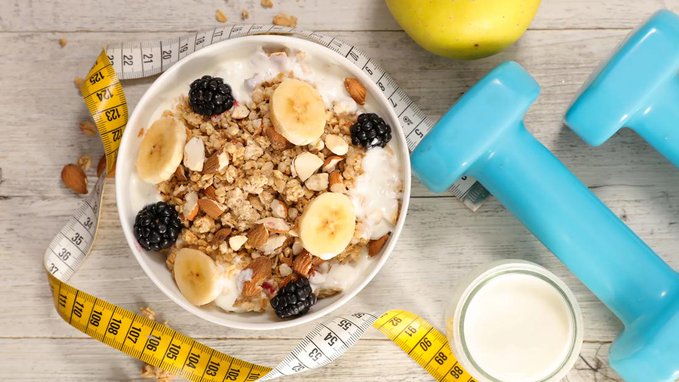
Skip to content

Fitnessaware

Health & Wellbeing

Tag: hydration

Posted on December 3, 2025

Sports nutrition isn’t just about protein shakes. A dietitian breaks down how hydration, timing and balance impact results. @ClevelandClinic

What Athletes Need To Know About Sports Nutrition

Having a well-rounded, healthy nutrition plan is just as important as staying consistent with your exercise routine

When you’re an athlete racking up miles and muscle, your body needs extra fuel to keep up with the amount of exercise you’re doing and help speed up recovery. That’s what makes sports nutrition so important — it offers you a path to making sure you’re getting all the nutrients you need, even as you sweat.

Sports and nutrition

For the most part, athletes will eat higher quantities of food more often than non-athletes because food is equivalent to energy. But that isn’t always the case, and some meal plans may work better for you than for someone else.

“Everyone’s body is very different, so it’s really important that we specialize individualized nutrition plans,” says registered dietitian Carly Sedlacek, RD, LD.

Bringing your physical fitness goals to a dietitian can help provide you with a holistic, balanced and personalized approach to eating healthy beyond simply counting calories. If you’re trying to build muscle, for example, your goals for nutrition will likely be different from someone who’s trying to lose weight.

Overall, when sports nutrition is combined with consistent exercise, it can boost your performance and help you feel great, even on rest days. Regardless of your goals, the following areas of sports nutrition can help.

Hydration

When you exercise, you lose a lot of water and electrolytes through sweating. Drinking enough water before a training session and throughout a workout can help replenish what’s lost.

At minimum, you should drink about 16 ounces of water two to three hours before exercise, and about 4 ounces every 15 to 20 minutes while exercising. It’s also important to make sure you’re drinking plenty of water throughout the entire day.

Sometimes, athletes prefer to use sports drinks after exercising because they’re packed with electrolytes to replace what was lost in sweat. “Electrolyte beverages should be used during activities lasting longer than 60 minutes,” says Sedlacek. “If you have a history of chronic disease or conditions, check with your doctor before including higher sodium beverages.”

Carbohydrates

Carbohydrates are your body’s main source of energy. While carbs are not the only food you should focus on, they should be something you consider as part of every meal, especially in the hours leading up to a workout or training session.

“Before exercising, you want to stick with foods that tend to digest easily, including some carbohydrate sources like fruits (bananas, apples or oranges), oatmeal or rice,” advises Sedlacek. “If you’re doing a longer workout routine that’s more than an hour long, you’ll want carbohydrates during that time to get that boost of quick-acting energy.”

Protein

Protein is the building block for your muscles. Without it, muscle recovery slows, along with your ability to build muscle mass. In general, you should try and get most of your protein from whole food sources like:

  • Salmon and other fish
  • Eggs and egg whites
  • Greek yogurt
  • Beans and legumes
  • Chicken
  • Tofu
  • Low-fat cheeses

But when you’re short on time, you can turn to protein powders or protein shakes between meals, in addition to having some protein at every meal.

“Protein helps with muscle recovery,” shares Sedlacek. “Getting at least 25 to 35 grams of protein right after exercise is helpful because that’s when your body prefers to use it.”

Fats

In general, having a healthy, well-rounded diet that incorporates an abundance of fruits, vegetables and plant- or animal-based sources of protein is key. That means healthy fats (like olive oil, avocado and fatty fish) also play a role as a secondary source of energy. Not only do they fill you up faster, but they also help your body better process other micronutrients, like fat-soluble vitamins.

Supplements

When it comes to supplements (like protein powders or pre-workout beverages), you want to use them sparingly. As you’re consuming more than the general population to keep up with your level of athleticism, supplements should be used to fill in a gap and not as a meal replacement.

“We want to try and stick to a food-first approach the best we can because the body is able to utilize those sources a little bit better than supplements,” explains Sedlacek.

Timing

When it comes to meals and snacks, timing is everything. You should try to aim for three spaced-out meals a day with snacks in between each meal. When it comes to exercise, you’ll want to have something small to eat (usually carbs or protein) at least an hour or two before exercising and immediately after a workout.

“It’s important to be consistent,” states Sedlacek. “If we’re going into an exercise and we don’t have enough energy to pull from, our body can end up pulling energy from our muscles. So, it’s important to have something small to eat before working out.”

Next steps

Sports nutrition can require a lot of fine-tuning, especially when you’re just getting started. Working with a dietitian and a physical fitness trainer can help get you the support you need for your specific situation.

And if at any point you feel lightheaded, dizzy or even experience hunger pangs, it might be a result of not eating enough or having enough water to keep up with the physical demands of exercise. In those cases, trying to level out your blood sugars and electrolytes is important, as well as seeing a healthcare provider if issues continue.


Posted on November 24, 2025

Sports nutrition isn’t just about protein shakes. A dietitian breaks down how hydration, timing and balance impact results. @ClevelandClinic

What Athletes Need To Know About Sports Nutrition

Having a well-rounded, healthy nutrition plan is just as important as staying consistent with your exercise routine

When you’re an athlete racking up miles and muscle, your body needs extra fuel to keep up with the amount of exercise you’re doing and help speed up recovery. That’s what makes sports nutrition so important — it offers you a path to making sure you’re getting all the nutrients you need, even as you sweat.

Sports and nutrition

For the most part, athletes will eat higher quantities of food more often than non-athletes because food is equivalent to energy. But that isn’t always the case, and some meal plans may work better for you than for someone else.

“Everyone’s body is very different, so it’s really important that we specialize individualized nutrition plans,” says registered dietitian Carly Sedlacek, RD, LD.

Bringing your physical fitness goals to a dietitian can help provide you with a holistic, balanced and personalized approach to eating healthy beyond simply counting calories. If you’re trying to build muscle, for example, your goals for nutrition will likely be different from someone who’s trying to lose weight.

Overall, when sports nutrition is combined with consistent exercise, it can boost your performance and help you feel great, even on rest days. Regardless of your goals, the following areas of sports nutrition can help.

Hydration

When you exercise, you lose a lot of water and electrolytes through sweating. Drinking enough water before a training session and throughout a workout can help replenish what’s lost.

At minimum, you should drink about 16 ounces of water two to three hours before exercise, and about 4 ounces every 15 to 20 minutes while exercising. It’s also important to make sure you’re drinking plenty of water throughout the entire day.

Sometimes, athletes prefer to use sports drinks after exercising because they’re packed with electrolytes to replace what was lost in sweat. “Electrolyte beverages should be used during activities lasting longer than 60 minutes,” says Sedlacek. “If you have a history of chronic disease or conditions, check with your doctor before including higher sodium beverages.”

Carbohydrates

Carbohydrates are your body’s main source of energy. While carbs are not the only food you should focus on, they should be something you consider as part of every meal, especially in the hours leading up to a workout or training session.

“Before exercising, you want to stick with foods that tend to digest easily, including some carbohydrate sources like fruits (bananas, apples or oranges), oatmeal or rice,” advises Sedlacek. “If you’re doing a longer workout routine that’s more than an hour long, you’ll want carbohydrates during that time to get that boost of quick-acting energy.”

Protein

Protein is the building block for your muscles. Without it, muscle recovery slows, along with your ability to build muscle mass. In general, you should try and get most of your protein from whole food sources like:

  • Salmon and other fish
  • Eggs and egg whites
  • Greek yogurt
  • Beans and legumes
  • Chicken
  • Tofu
  • Low-fat cheeses

But when you’re short on time, you can turn to protein powders or protein shakes between meals, in addition to having some protein at every meal.

“Protein helps with muscle recovery,” shares Sedlacek. “Getting at least 25 to 35 grams of protein right after exercise is helpful because that’s when your body prefers to use it.”

Fats

In general, having a healthy, well-rounded diet that incorporates an abundance of fruits, vegetables and plant- or animal-based sources of protein is key. That means healthy fats (like olive oil, avocado and fatty fish) also play a role as a secondary source of energy. Not only do they fill you up faster, but they also help your body better process other micronutrients, like fat-soluble vitamins.

Supplements

When it comes to supplements (like protein powders or pre-workout beverages), you want to use them sparingly. As you’re consuming more than the general population to keep up with your level of athleticism, supplements should be used to fill in a gap and not as a meal replacement.

“We want to try and stick to a food-first approach the best we can because the body is able to utilize those sources a little bit better than supplements,” explains Sedlacek.

Timing

When it comes to meals and snacks, timing is everything. You should try to aim for three spaced-out meals a day with snacks in between each meal. When it comes to exercise, you’ll want to have something small to eat (usually carbs or protein) at least an hour or two before exercising and immediately after a workout.

“It’s important to be consistent,” states Sedlacek. “If we’re going into an exercise and we don’t have enough energy to pull from, our body can end up pulling energy from our muscles. So, it’s important to have something small to eat before working out.”

Next steps

Sports nutrition can require a lot of fine-tuning, especially when you’re just getting started. Working with a dietitian and a physical fitness trainer can help get you the support you need for your specific situation.

And if at any point you feel lightheaded, dizzy or even experience hunger pangs, it might be a result of not eating enough or having enough water to keep up with the physical demands of exercise. In those cases, trying to level out your blood sugars and electrolytes is important, as well as seeing a healthcare provider if issues continue.

Posted on September 16, 2025

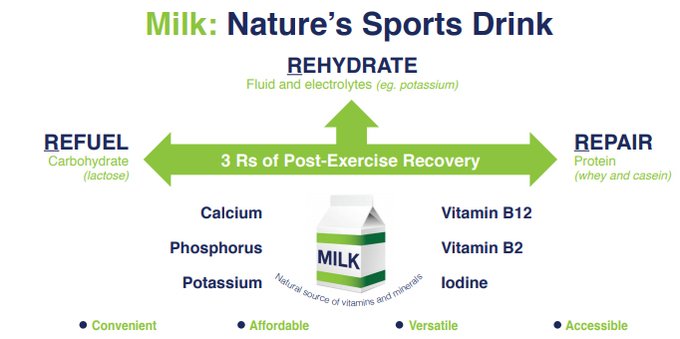
Milk naturally contains nutrients that can help address the 3 ‘R’s of post-exercise recovery: Refuel, Repair and Rehydrate

milk sports drink

NationalDairyCouncil
@NDC_ie
·

1h

Milk naturally contains nutrients that can help address the 3 ‘R’s of post-exercise recovery: Refuel, Repair and Rehydrate #WorldMilkDay #EnjoyDairy https://ndc.ie/nutrition/spor
Posted on September 13, 2025

Sports nutrition isn’t just about protein shakes. A dietitian breaks down how hydration, timing and balance impact results. @ClevelandClinic

What Athletes Need To Know About Sports Nutrition

Having a well-rounded, healthy nutrition plan is just as important as staying consistent with your exercise routine

When you’re an athlete racking up miles and muscle, your body needs extra fuel to keep up with the amount of exercise you’re doing and help speed up recovery. That’s what makes sports nutrition so important — it offers you a path to making sure you’re getting all the nutrients you need, even as you sweat.

Sports and nutrition

For the most part, athletes will eat higher quantities of food more often than non-athletes because food is equivalent to energy. But that isn’t always the case, and some meal plans may work better for you than for someone else.

“Everyone’s body is very different, so it’s really important that we specialize individualized nutrition plans,” says registered dietitian Carly Sedlacek, RD, LD.

Bringing your physical fitness goals to a dietitian can help provide you with a holistic, balanced and personalized approach to eating healthy beyond simply counting calories. If you’re trying to build muscle, for example, your goals for nutrition will likely be different from someone who’s trying to lose weight.

Overall, when sports nutrition is combined with consistent exercise, it can boost your performance and help you feel great, even on rest days. Regardless of your goals, the following areas of sports nutrition can help.

Hydration

When you exercise, you lose a lot of water and electrolytes through sweating. Drinking enough water before a training session and throughout a workout can help replenish what’s lost.

At minimum, you should drink about 16 ounces of water two to three hours before exercise, and about 4 ounces every 15 to 20 minutes while exercising. It’s also important to make sure you’re drinking plenty of water throughout the entire day.

Sometimes, athletes prefer to use sports drinks after exercising because they’re packed with electrolytes to replace what was lost in sweat. “Electrolyte beverages should be used during activities lasting longer than 60 minutes,” says Sedlacek. “If you have a history of chronic disease or conditions, check with your doctor before including higher sodium beverages.”

Carbohydrates

Carbohydrates are your body’s main source of energy. While carbs are not the only food you should focus on, they should be something you consider as part of every meal, especially in the hours leading up to a workout or training session.

“Before exercising, you want to stick with foods that tend to digest easily, including some carbohydrate sources like fruits (bananas, apples or oranges), oatmeal or rice,” advises Sedlacek. “If you’re doing a longer workout routine that’s more than an hour long, you’ll want carbohydrates during that time to get that boost of quick-acting energy.”

Protein

Protein is the building block for your muscles. Without it, muscle recovery slows, along with your ability to build muscle mass. In general, you should try and get most of your protein from whole food sources like:

  • Salmon and other fish
  • Eggs and egg whites
  • Greek yogurt
  • Beans and legumes
  • Chicken
  • Tofu
  • Low-fat cheeses

But when you’re short on time, you can turn to protein powders or protein shakes between meals, in addition to having some protein at every meal.

“Protein helps with muscle recovery,” shares Sedlacek. “Getting at least 25 to 35 grams of protein right after exercise is helpful because that’s when your body prefers to use it.”

Fats

In general, having a healthy, well-rounded diet that incorporates an abundance of fruits, vegetables and plant- or animal-based sources of protein is key. That means healthy fats (like olive oil, avocado and fatty fish) also play a role as a secondary source of energy. Not only do they fill you up faster, but they also help your body better process other micronutrients, like fat-soluble vitamins.

Supplements

When it comes to supplements (like protein powders or pre-workout beverages), you want to use them sparingly. As you’re consuming more than the general population to keep up with your level of athleticism, supplements should be used to fill in a gap and not as a meal replacement.

“We want to try and stick to a food-first approach the best we can because the body is able to utilize those sources a little bit better than supplements,” explains Sedlacek.

Timing

When it comes to meals and snacks, timing is everything. You should try to aim for three spaced-out meals a day with snacks in between each meal. When it comes to exercise, you’ll want to have something small to eat (usually carbs or protein) at least an hour or two before exercising and immediately after a workout.

“It’s important to be consistent,” states Sedlacek. “If we’re going into an exercise and we don’t have enough energy to pull from, our body can end up pulling energy from our muscles. So, it’s important to have something small to eat before working out.”

Next steps

Sports nutrition can require a lot of fine-tuning, especially when you’re just getting started. Working with a dietitian and a physical fitness trainer can help get you the support you need for your specific situation.

And if at any point you feel lightheaded, dizzy or even experience hunger pangs, it might be a result of not eating enough or having enough water to keep up with the physical demands of exercise. In those cases, trying to level out your blood sugars and electrolytes is important, as well as seeing a healthcare provider if issues continue.


Posted on May 29, 2025

What should you eat when you’re training for a marathon? @ClevelandClinic

Figuring out exactly what your nutrition needs are when you’re training hard and logging so many miles can be difficult. That’s complicated even further by the fact that many marathoners find they gain weight when they train because their hunger levels shoot up fast. But wellness… pic.twitter.com/fx3QE38vDL

— Cleveland Clinic (@ClevelandClinic) May 28, 2025
Posted on May 11, 2025

Sports nutrition isn’t just about protein shakes. A dietitian breaks down how hydration, timing and balance impact results. @ClevelandClinic

What Athletes Need To Know About Sports Nutrition

Having a well-rounded, healthy nutrition plan is just as important as staying consistent with your exercise routine

When you’re an athlete racking up miles and muscle, your body needs extra fuel to keep up with the amount of exercise you’re doing and help speed up recovery. That’s what makes sports nutrition so important — it offers you a path to making sure you’re getting all the nutrients you need, even as you sweat.

Sports and nutrition

For the most part, athletes will eat higher quantities of food more often than non-athletes because food is equivalent to energy. But that isn’t always the case, and some meal plans may work better for you than for someone else.

“Everyone’s body is very different, so it’s really important that we specialize individualized nutrition plans,” says registered dietitian Carly Sedlacek, RD, LD.

Bringing your physical fitness goals to a dietitian can help provide you with a holistic, balanced and personalized approach to eating healthy beyond simply counting calories. If you’re trying to build muscle, for example, your goals for nutrition will likely be different from someone who’s trying to lose weight.

Overall, when sports nutrition is combined with consistent exercise, it can boost your performance and help you feel great, even on rest days. Regardless of your goals, the following areas of sports nutrition can help.

Hydration

When you exercise, you lose a lot of water and electrolytes through sweating. Drinking enough water before a training session and throughout a workout can help replenish what’s lost.

At minimum, you should drink about 16 ounces of water two to three hours before exercise, and about 4 ounces every 15 to 20 minutes while exercising. It’s also important to make sure you’re drinking plenty of water throughout the entire day.

Sometimes, athletes prefer to use sports drinks after exercising because they’re packed with electrolytes to replace what was lost in sweat. “Electrolyte beverages should be used during activities lasting longer than 60 minutes,” says Sedlacek. “If you have a history of chronic disease or conditions, check with your doctor before including higher sodium beverages.”

Carbohydrates

Carbohydrates are your body’s main source of energy. While carbs are not the only food you should focus on, they should be something you consider as part of every meal, especially in the hours leading up to a workout or training session.

“Before exercising, you want to stick with foods that tend to digest easily, including some carbohydrate sources like fruits (bananas, apples or oranges), oatmeal or rice,” advises Sedlacek. “If you’re doing a longer workout routine that’s more than an hour long, you’ll want carbohydrates during that time to get that boost of quick-acting energy.”

Protein

Protein is the building block for your muscles. Without it, muscle recovery slows, along with your ability to build muscle mass. In general, you should try and get most of your protein from whole food sources like:

  • Salmon and other fish
  • Eggs and egg whites
  • Greek yogurt
  • Beans and legumes
  • Chicken
  • Tofu
  • Low-fat cheeses

But when you’re short on time, you can turn to protein powders or protein shakes between meals, in addition to having some protein at every meal.

“Protein helps with muscle recovery,” shares Sedlacek. “Getting at least 25 to 35 grams of protein right after exercise is helpful because that’s when your body prefers to use it.”

Fats

In general, having a healthy, well-rounded diet that incorporates an abundance of fruits, vegetables and plant- or animal-based sources of protein is key. That means healthy fats (like olive oil, avocado and fatty fish) also play a role as a secondary source of energy. Not only do they fill you up faster, but they also help your body better process other micronutrients, like fat-soluble vitamins.

Supplements

When it comes to supplements (like protein powders or pre-workout beverages), you want to use them sparingly. As you’re consuming more than the general population to keep up with your level of athleticism, supplements should be used to fill in a gap and not as a meal replacement.

“We want to try and stick to a food-first approach the best we can because the body is able to utilize those sources a little bit better than supplements,” explains Sedlacek.

Timing

When it comes to meals and snacks, timing is everything. You should try to aim for three spaced-out meals a day with snacks in between each meal. When it comes to exercise, you’ll want to have something small to eat (usually carbs or protein) at least an hour or two before exercising and immediately after a workout.

“It’s important to be consistent,” states Sedlacek. “If we’re going into an exercise and we don’t have enough energy to pull from, our body can end up pulling energy from our muscles. So, it’s important to have something small to eat before working out.”

Next steps

Sports nutrition can require a lot of fine-tuning, especially when you’re just getting started. Working with a dietitian and a physical fitness trainer can help get you the support you need for your specific situation.

And if at any point you feel lightheaded, dizzy or even experience hunger pangs, it might be a result of not eating enough or having enough water to keep up with the physical demands of exercise. In those cases, trying to level out your blood sugars and electrolytes is important, as well as seeing a healthcare provider if issues continue.


Posted on March 27, 2025

Feeling tired? Drink a glass of water. Feeling low? Eat a banana. Feeling depressed? Take a jog. #FitTip

FIT36®‏ @FIT_36 3m3 minutes ago

Feeling tired? Drink a glass of water. Feeling low? Eat an banana. Feeling depressed? Take a jog. #FitTip #FitFam

Posted on January 8, 2025

Milk naturally contains nutrients that can help address the 3 ‘R’s of post-exercise recovery: Refuel, Repair and Rehydrate

milk sports drink

NationalDairyCouncil
@NDC_ie
·

1h

Milk naturally contains nutrients that can help address the 3 ‘R’s of post-exercise recovery: Refuel, Repair and Rehydrate #WorldMilkDay #EnjoyDairy https://ndc.ie/nutrition/spor
Posted on November 25, 2024

Carrie Underwood Better, Faster, Stronger @DrinkBODYARMOR #LYTEUpNashville

https://twitter.com/i/status/1633989938155868160

Carrie Underwood

@carrieunderwood

·

12h

@DrinkBODYARMOR

Posted on April 25, 2024

10 Tips for More Effective Stretching @Yoga_Journal


Yoga Journal

@Yoga_Journal
·
11h

Stretching might seem like a no-brainer activity, but there are some subtle nuances that can make all the difference in your results.

10 Tips for More Effective Stretching | Yoga Journal
Stretching might seem like a no-brainer activity, but there are some subtle nuances that can make all the difference in your results.
yogajournal.com

Posts pagination

Page 1 Page 2 … Page 7 Next page

Tags

  • core stability
  • core strength
  • diet
  • exercise
  • fitness
  • Fitnessaware
  • health
  • physical activity
  • physio
  • physiotherapy
  • Pilates
  • running
  • Therapy
  • womens health
  • yoga

Archives

  • December 2025
  • November 2025
  • October 2025
  • September 2025
  • August 2025
  • July 2025
  • June 2025
  • May 2025
  • April 2025
  • March 2025
  • February 2025
  • January 2025
  • December 2024
  • November 2024
  • October 2024
  • September 2024
  • August 2024
  • July 2024
  • June 2024
  • May 2024
  • April 2024
  • March 2024
  • February 2024
  • January 2024
  • December 2023
  • November 2023
  • October 2023
  • September 2023
  • August 2023
  • July 2023
  • June 2023
  • May 2023
  • April 2023
  • March 2023
  • February 2023
  • January 2023
  • December 2022
  • November 2022
  • October 2022
  • September 2022
  • August 2022
  • July 2022
  • June 2022
  • May 2022
  • April 2022
  • March 2022
  • February 2022
  • January 2022
  • December 2021
  • November 2021
  • October 2021
  • September 2021
  • August 2021
  • July 2021
  • June 2021
  • May 2021
  • April 2021
  • March 2021
  • February 2021
  • January 2021
  • December 2020
  • November 2020
  • October 2020
  • September 2020
  • August 2020
  • July 2020
  • June 2020
  • May 2020
  • April 2020
  • March 2020
  • February 2020
  • January 2020
  • December 2019
  • November 2019
  • October 2019
  • September 2019
  • August 2019
  • July 2019
  • June 2019
  • May 2019
  • April 2019
  • March 2019
  • February 2019
  • January 2019
  • December 2018
  • November 2018
  • October 2018
  • September 2018
  • August 2018
  • July 2018
  • June 2018
  • May 2018
  • April 2018
  • March 2018
  • January 2018
  • June 2016
  • May 2016
  • April 2016
  • March 2016
  • February 2016
  • December 2015
Blog at WordPress.com.
Privacy & Cookies: This site uses cookies. By continuing to use this website, you agree to their use.
To find out more, including how to control cookies, see here: Cookie Policy
  • Subscribe Subscribed
    • Fitnessaware
    • Join 1,593 other subscribers
    • Already have a WordPress.com account? Log in now.
    • Fitnessaware
    • Subscribe Subscribed
    • Sign up
    • Log in
    • Report this content
    • View site in Reader
    • Manage subscriptions
    • Collapse this bar
 

Loading Comments...