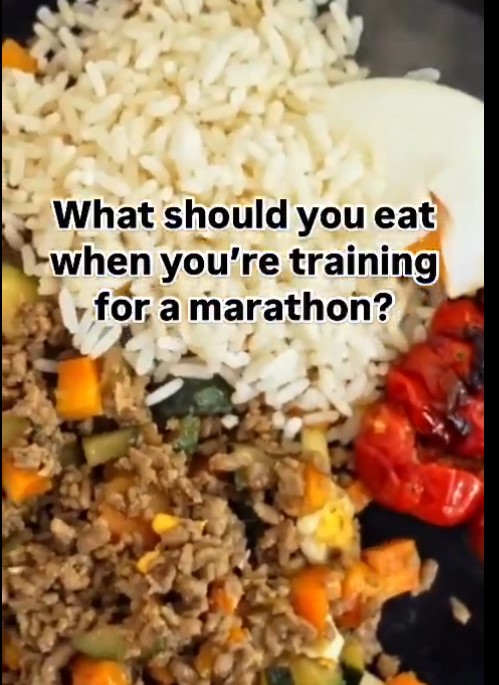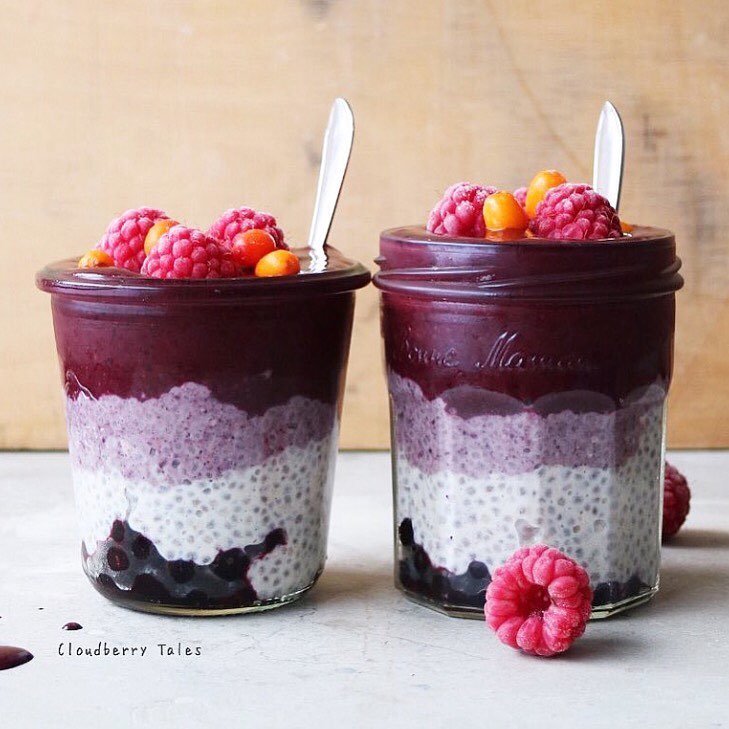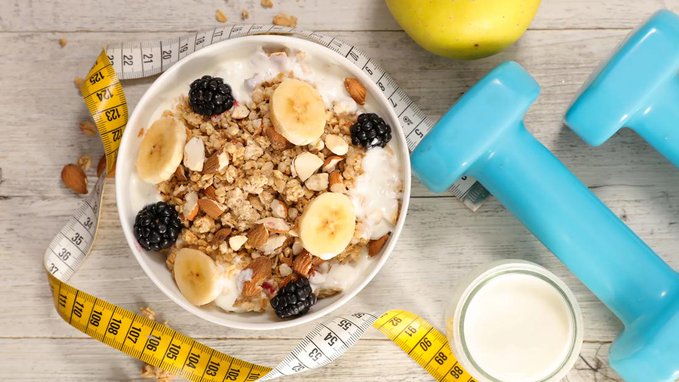
Sports nutrition isn’t just about protein shakes. A dietitian breaks down how hydration, timing and balance impact results. @ClevelandClinic

What Athletes Need To Know About Sports Nutrition

Having a well-rounded, healthy nutrition plan is just as important as staying consistent with your exercise routine

When you’re an athlete racking up miles and muscle, your body needs extra fuel to keep up with the amount of exercise you’re doing and help speed up recovery. That’s what makes sports nutrition so important — it offers you a path to making sure you’re getting all the nutrients you need, even as you sweat.

Sports and nutrition

For the most part, athletes will eat higher quantities of food more often than non-athletes because food is equivalent to energy. But that isn’t always the case, and some meal plans may work better for you than for someone else.

“Everyone’s body is very different, so it’s really important that we specialize individualized nutrition plans,” says registered dietitian Carly Sedlacek, RD, LD.

Bringing your physical fitness goals to a dietitian can help provide you with a holistic, balanced and personalized approach to eating healthy beyond simply counting calories. If you’re trying to build muscle, for example, your goals for nutrition will likely be different from someone who’s trying to lose weight.

Overall, when sports nutrition is combined with consistent exercise, it can boost your performance and help you feel great, even on rest days. Regardless of your goals, the following areas of sports nutrition can help.

Hydration

When you exercise, you lose a lot of water and electrolytes through sweating. Drinking enough water before a training session and throughout a workout can help replenish what’s lost.

At minimum, you should drink about 16 ounces of water two to three hours before exercise, and about 4 ounces every 15 to 20 minutes while exercising. It’s also important to make sure you’re drinking plenty of water throughout the entire day.

Sometimes, athletes prefer to use sports drinks after exercising because they’re packed with electrolytes to replace what was lost in sweat. “Electrolyte beverages should be used during activities lasting longer than 60 minutes,” says Sedlacek. “If you have a history of chronic disease or conditions, check with your doctor before including higher sodium beverages.”

Carbohydrates

Carbohydrates are your body’s main source of energy. While carbs are not the only food you should focus on, they should be something you consider as part of every meal, especially in the hours leading up to a workout or training session.

“Before exercising, you want to stick with foods that tend to digest easily, including some carbohydrate sources like fruits (bananas, apples or oranges), oatmeal or rice,” advises Sedlacek. “If you’re doing a longer workout routine that’s more than an hour long, you’ll want carbohydrates during that time to get that boost of quick-acting energy.”

Protein

Protein is the building block for your muscles. Without it, muscle recovery slows, along with your ability to build muscle mass. In general, you should try and get most of your protein from whole food sources like:

  • Salmon and other fish
  • Eggs and egg whites
  • Greek yogurt
  • Beans and legumes
  • Chicken
  • Tofu
  • Low-fat cheeses

But when you’re short on time, you can turn to protein powders or protein shakes between meals, in addition to having some protein at every meal.

“Protein helps with muscle recovery,” shares Sedlacek. “Getting at least 25 to 35 grams of protein right after exercise is helpful because that’s when your body prefers to use it.”

Fats

In general, having a healthy, well-rounded diet that incorporates an abundance of fruits, vegetables and plant- or animal-based sources of protein is key. That means healthy fats (like olive oil, avocado and fatty fish) also play a role as a secondary source of energy. Not only do they fill you up faster, but they also help your body better process other micronutrients, like fat-soluble vitamins.

Supplements

When it comes to supplements (like protein powders or pre-workout beverages), you want to use them sparingly. As you’re consuming more than the general population to keep up with your level of athleticism, supplements should be used to fill in a gap and not as a meal replacement.

“We want to try and stick to a food-first approach the best we can because the body is able to utilize those sources a little bit better than supplements,” explains Sedlacek.

Timing

When it comes to meals and snacks, timing is everything. You should try to aim for three spaced-out meals a day with snacks in between each meal. When it comes to exercise, you’ll want to have something small to eat (usually carbs or protein) at least an hour or two before exercising and immediately after a workout.

“It’s important to be consistent,” states Sedlacek. “If we’re going into an exercise and we don’t have enough energy to pull from, our body can end up pulling energy from our muscles. So, it’s important to have something small to eat before working out.”

Next steps

Sports nutrition can require a lot of fine-tuning, especially when you’re just getting started. Working with a dietitian and a physical fitness trainer can help get you the support you need for your specific situation.

And if at any point you feel lightheaded, dizzy or even experience hunger pangs, it might be a result of not eating enough or having enough water to keep up with the physical demands of exercise. In those cases, trying to level out your blood sugars and electrolytes is important, as well as seeing a healthcare provider if issues continue.


Is salad on the menu for lunch? Make it your best one ever with these five tips: @Yoga_Journal

5 Steps to Seriously Superior Salads
Apply these tried-and-true cooking tricks to salad-making, and you’ll be making the best veggie-packed dishes ever.
July 31, 2021 Ivy Manning


Your go-to bowl of greens may be a good salad, but is it the best salad? Some of the best cooking tricks can be applied to salad-making. Here are five game changers that will help take your salads to a new level.
1. Season it
We season everything else, so why skip your salad? A pinch of coarse sea salt and a few grinds of pepper enhance the flavors in salads, too. But don’t stop there! Spices can amp up the natural sweetness of vegetables both raw and cooked. Try this homemade toasted spice blend on salads to turn a ho-hum salads into the best salad with grilled shrimp, sprinkle nutritional yeast on slaws for a savory boost, or herby-tart za’atar blend on a cucumber tomato salad with feta.
2. Underdress
Err on the side of underdressing your salads. You need less dressing than you think, and you can always add more, but you can’t remove dressing from a soggy salad. As a general rule, add ½ tablespoon of dressing, gently toss, taste, and add more until the ingredients are very lightly coated. Another option for chronic over-dressers, pour out small amounts  of dressing (about 1 tablespoon per person) into a small ramekin and dip your fork into it before each bite of undressed salad.
3. Hands on
Toss your salads with your hands in a large bowl, this helps coat all the ingredients with seasonings and dressing and it’s gentler on tender greens. If you’d rather not get your hands dirty, use kitchen tongs to even toss things together.
4. Balance textures
Try to choose a balance of elements – fluffy leaves, creamy elements like avocado or cheese, crunchy items like nuts or seeds, something substantial like roasted squash, meat, seafood and juicy/crisp elements like apple, tomato, or celery.  And remember, we eat with our eyes, so arrange elements artfully for a more satisfying meal. Click here for a handy chart on how to build a well composed, best salad recipes ever.
5. Herbs are salad leaves, too.
Herbs are a mainstay of salad dressing, but they are also delicious by themselves tucked into leafy salads. Fresh, tender herbs like basil, cilantro, dill, basil, parsley, and mint blend right in with lettuce plus they add little pops of fresh flavor that are unexpected and make salads more interesting. Make sure to remove any tough or stringy stems…concentrating on the juicy leaves instead.

This Anything-Goes Green Goddess Salad is a Nutrition Goldmine @WomensRunning #fitnessaware

This Anything-Goes Green Goddess Salad is a Nutrition Goldmine

womensrunning.com

This Anything-Goes Green Goddess Salad is a Nutrition Goldmine

This green goddess salad recipe hits all the flavor and texture sweet spots and proves that green is indeed the color of health.

Makes 4 Servings

Ingredients

Salad

  • 1 Tbsp. sugar
  • 1 tsp. salt
  • 2/3 cup cider vinegar or white vinegar
  • 1 large green bell pepper, sliced
  • 1 cup green lentils
  • 1 cup freekeh
  • 1 (8 ounce) container of store-bought hummus
  • 4 cups arugula
  • 1 cucumber, chopped
  • 1 avocado, diced
  • 1/4 cup roasted shelled sunflower seeds

RELATED: I Tried This Hack for Better Sleep–And It Actually Worked

Dressing

  • 1 cup chopped zucchini
  • 1/4 cup extra virgin olive oil
  • 2 Tbsp. water
  • Juice of 1 lemon
  • 1/2 cup chopped parsley
  • 2 scallions (green onions), chopped
  • 1 jalapeño, seeded and chopped
  • 1 garlic clove, chopped
  • 2 Tbsp. tahini
  • 1 tsp. honey
  • 1/2 tsp. salt

Directions

  1. Place green pepper slices in a large wide-mouth jar or bowl. Place sugar and salt in a separate bowl and add 2/3 cup boiled water; stir until sugar and salt are dissolved. Stir in cider vinegar. Let cool for a few minutes and then add vinegar mixture to peppers. Cover and chill for at least 4 hours or up to several days.
  2. Cook lentils in a large saucepan of simmering, salted water until they are tender but still retain their shape, about 25 minutes. Drain, rinse under cold running water, and drain well again.
  3. Bring 2 1/2 cups water to a boil in a saucepan. Add freekeh and a couple pinches of salt. Reduce heat to medium/low and simmer covered until grains are tender, about 25 minutes. Drain any excess water.
  4. To make the dressing, blend together olive oil, water, zucchini, lemon juice, parsley, scallions, jalapeño, garlic, tahini, honey, and salt until smooth.
  5. To serve, spread hummus on serving plates and scatter on lentils, arugula, freekeh, cucumber, avocado, and sunflower seeds. Drizzle on dressing and garnish with microgreens if using.

Sports nutrition isn’t just about protein shakes. A dietitian breaks down how hydration, timing and balance impact results. @ClevelandClinic

What Athletes Need To Know About Sports Nutrition

Having a well-rounded, healthy nutrition plan is just as important as staying consistent with your exercise routine

When you’re an athlete racking up miles and muscle, your body needs extra fuel to keep up with the amount of exercise you’re doing and help speed up recovery. That’s what makes sports nutrition so important — it offers you a path to making sure you’re getting all the nutrients you need, even as you sweat.

Sports and nutrition

For the most part, athletes will eat higher quantities of food more often than non-athletes because food is equivalent to energy. But that isn’t always the case, and some meal plans may work better for you than for someone else.

“Everyone’s body is very different, so it’s really important that we specialize individualized nutrition plans,” says registered dietitian Carly Sedlacek, RD, LD.

Bringing your physical fitness goals to a dietitian can help provide you with a holistic, balanced and personalized approach to eating healthy beyond simply counting calories. If you’re trying to build muscle, for example, your goals for nutrition will likely be different from someone who’s trying to lose weight.

Overall, when sports nutrition is combined with consistent exercise, it can boost your performance and help you feel great, even on rest days. Regardless of your goals, the following areas of sports nutrition can help.

Hydration

When you exercise, you lose a lot of water and electrolytes through sweating. Drinking enough water before a training session and throughout a workout can help replenish what’s lost.

At minimum, you should drink about 16 ounces of water two to three hours before exercise, and about 4 ounces every 15 to 20 minutes while exercising. It’s also important to make sure you’re drinking plenty of water throughout the entire day.

Sometimes, athletes prefer to use sports drinks after exercising because they’re packed with electrolytes to replace what was lost in sweat. “Electrolyte beverages should be used during activities lasting longer than 60 minutes,” says Sedlacek. “If you have a history of chronic disease or conditions, check with your doctor before including higher sodium beverages.”

Carbohydrates

Carbohydrates are your body’s main source of energy. While carbs are not the only food you should focus on, they should be something you consider as part of every meal, especially in the hours leading up to a workout or training session.

“Before exercising, you want to stick with foods that tend to digest easily, including some carbohydrate sources like fruits (bananas, apples or oranges), oatmeal or rice,” advises Sedlacek. “If you’re doing a longer workout routine that’s more than an hour long, you’ll want carbohydrates during that time to get that boost of quick-acting energy.”

Protein

Protein is the building block for your muscles. Without it, muscle recovery slows, along with your ability to build muscle mass. In general, you should try and get most of your protein from whole food sources like:

  • Salmon and other fish
  • Eggs and egg whites
  • Greek yogurt
  • Beans and legumes
  • Chicken
  • Tofu
  • Low-fat cheeses

But when you’re short on time, you can turn to protein powders or protein shakes between meals, in addition to having some protein at every meal.

“Protein helps with muscle recovery,” shares Sedlacek. “Getting at least 25 to 35 grams of protein right after exercise is helpful because that’s when your body prefers to use it.”

Fats

In general, having a healthy, well-rounded diet that incorporates an abundance of fruits, vegetables and plant- or animal-based sources of protein is key. That means healthy fats (like olive oil, avocado and fatty fish) also play a role as a secondary source of energy. Not only do they fill you up faster, but they also help your body better process other micronutrients, like fat-soluble vitamins.

Supplements

When it comes to supplements (like protein powders or pre-workout beverages), you want to use them sparingly. As you’re consuming more than the general population to keep up with your level of athleticism, supplements should be used to fill in a gap and not as a meal replacement.

“We want to try and stick to a food-first approach the best we can because the body is able to utilize those sources a little bit better than supplements,” explains Sedlacek.

Timing

When it comes to meals and snacks, timing is everything. You should try to aim for three spaced-out meals a day with snacks in between each meal. When it comes to exercise, you’ll want to have something small to eat (usually carbs or protein) at least an hour or two before exercising and immediately after a workout.

“It’s important to be consistent,” states Sedlacek. “If we’re going into an exercise and we don’t have enough energy to pull from, our body can end up pulling energy from our muscles. So, it’s important to have something small to eat before working out.”

Next steps

Sports nutrition can require a lot of fine-tuning, especially when you’re just getting started. Working with a dietitian and a physical fitness trainer can help get you the support you need for your specific situation.

And if at any point you feel lightheaded, dizzy or even experience hunger pangs, it might be a result of not eating enough or having enough water to keep up with the physical demands of exercise. In those cases, trying to level out your blood sugars and electrolytes is important, as well as seeing a healthcare provider if issues continue.
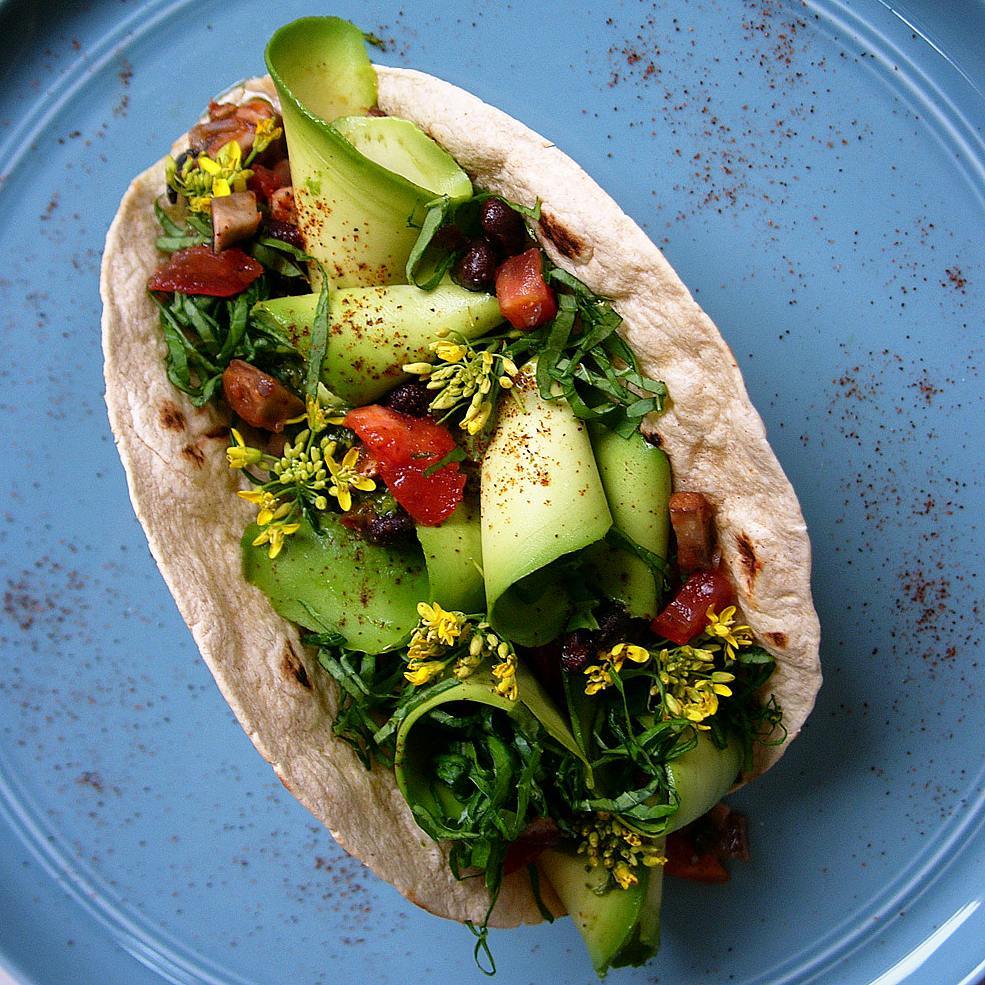

YUM! A Blue Super Food Smoothie Bowl

Screenshot_2019-12-20 YOGA REBEL® ( yogarebellondon) • Instagram photos and videos(1)

yogarebellondon's profile picture

yogarebellondon

YUM! A Blue Super Food Smoothie Bowl

INGREDIENTS

2 Frozen Bananas
2 Kiwi
1/2 c. White Grapes
1/2 c. Coconut Milk
1/2 tsp. Blue Majik Powder
Seasonal fruits for topping, Granola and Chia Seeds

Directions

Step 1
Slice fruit toppings, set aside

Step 2
In blender, add frozen Banana, frozen Grapes, Kiwi, Coconut Milk, and Blue Majik. Blend until smooth.

Step 3
Pour into bowl and top with sliced fruit toppings, granola, and chia seeds.

Credit: https://sisterchives.com