Alanna in Montana 🎿 🏂 ⛷️ ❄️

Health & Wellbeing
 I love this team and my little country
Fitness Motivation @FitspirationaI 6 minutes ago
Avocado egg toast 


Choosing what to eat before a run plagues nearly every one of us until you figure out what works best for you. And because people tolerate foods differently, there is no one-size-fits-all when it comes to prerun fueling. Some runners swear by eating nothing before short or easier runs, while others have to put something in their system. That said, there are some general guidelines to follow as you prepare a prerun snack or meal.
Long runs are most commonly defined as being 60 minutes or more, and once you get into half or full marathon training, a good chunk of your runs will be at least 60 minutes.
What you eat before a long run is a good dress rehearsal for your prerace breakfast, says Lizzie Kasparek, R.D., sports dietitian for the Sanford Sports Science Institute.
Long runs require more energy than shorter runs, which means your prerun snack or meal will be larger and take a little more time to digest. That’s why Kasparek recommends eating two to four hours before a long run (and eventually, your race).
“Whether you give yourself a few hours or just an hour to digest, focus on consuming mostly carbs,” she says. Your body’s preferred fuel source is simple carbs—banana, oatmeal, white bagel, a honey packet—because it can be quickly turned into energy.
Yes, we know that may mean an early wake-up for morning runners, but you’ll be grateful when you have the energy to push past the first hour. Plus, you can always wake up, eat a little something, and go back to sleep until run time.
Try: A small bowl of oatmeal topped with a few slices of banana
For sensitive stomachs: Half a white bagel with peanut butter or serving of white rice
Often, speed work doesn’t last for more than 60 minutes, but the workout is much more intense than slower, longer miles. And because of this, your body needs prerun carbs, says Kasparek, who points out that some people also like a little bit of protein with this snack.

“You need to provide your body with quick carbs that give your body energy it can use right away,” she says.
Try: Plain greek yogurt with blueberries or banana with peanut butter or handful of dry cereal or Honey Stinger gel
For sensitive stomachs: Half a banana
Most easy runs don’t require a prerun snack—even those that are pushing 60 minutes, says Kasparek.
“If you’re going out for a quick 30- or 40-minute easy run, and you haven’t eaten in a couple of hours or it’s in the morning after an overnight fast, you’re probably not going to die if you don’t eat before that run,” she says.
The best thing to do is schedule those easy runs around your normal snacks and meals. For example, after a morning run, use your breakfast as your recovery meal, which will include carbs plus 15 to 25 grams of protein, says Kasparek.
If you’re running in the afternoon, instead of having your usual 3 p.m. snack and a 4 p.m. prerun snack, skip the prerun snack, or bump your 3 p.m. snack to an hour before your run. Then Kasparek suggests making your postrun meal your dinner.
That said, if you know that you can’t run well or safely without something in your system, have something small like half a banana or a tablespoon of peanut butter. And remember, easy means easy, so running at a relaxed pace that you can maintain and talk to a friend effortlessly if needed.
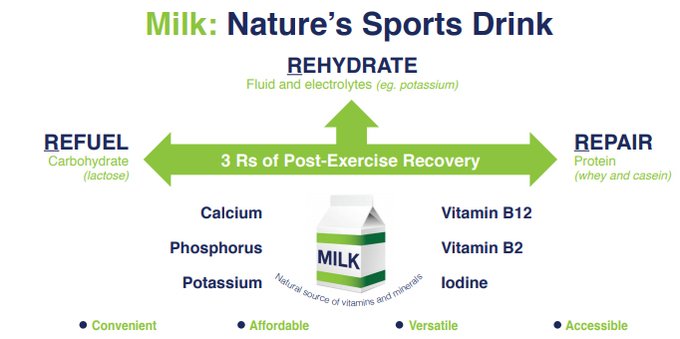
Try: Eggs with toast or a protein shake or oatmeal made with milk after a morning run, or salmon with rice or a veggie stir-fry after an afternoon or evening run
If you’ve been training properly, you have practiced your prerace meal before your long runs, says Susan Paul, exercise physiologist and program director for the Orlando Track Shack Foundation. “Race morning is not the time to try anything new,” she says.
For shorter distances, like a 5K or 10K, your breakfast should be similar to what you’d eat before a track (interval) workout, because the intensity is higher, while the duration is shorter.

For longer distances, like a half or full marathon, your breakfast—and the timing of when you have it—should be similar to what you practiced eating before your long runs.
As Paul and Kasparek point out, give yourself plenty of time to digest before you head to the start line. And because you might have hours between the time you have breakfast and toe the line, bring an extra snack, says Kasparek.

“You don’t want to be hungry on the start line,” she says.
Try: Bagel with peanut butter + gel or Clif bar 30 minutes prior to the start
RELATED: Build a killer midsection in the kitchen for powerful, effortless miles on the road with Eat for Abs!



 Fitnessaware