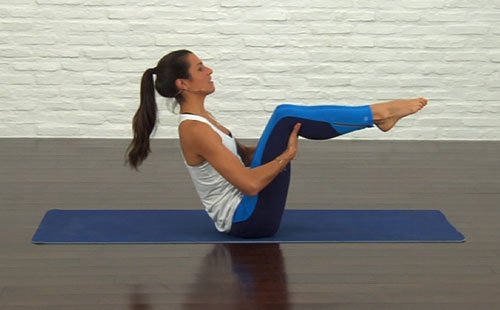
Pilates on Mat @PilatesOnMat 3 hours ago
Health & Wellbeing

Once you’ve nailed the proper plank form, challenge yourself with these slight modifications—they’ll help you really tap into all the benefits you can get from spending that time on your hands and forearms.
Clasping your hands in a forearm plank makes the exercise feel easier—but that means you’re not maxing out the benefits. “It can also promote a rounded posture instead of a stable, upright one,” says O’Brien, and that’s the opposite of what you’re going for in this position. Instead, press your palms into the floor. “That will create more shoulder engagement and stability as a bonus.”
A straight arm plank is going to be more challenging, says O’Brien. “Dropping to the elbows can help you maintain proper form because it’s easier to hold,” she says. It’s a great option for someone who isn’t yet strong enough to maintain an engaged core and flat back (it also takes some of the work off of the shoulders, if that’s a problem area for you).
It’s tempting to grit your teeth as you hold the pose, but you want to inhale and exhale steadily throughout. “Breathing will help you consciously engage the transverse abdominis muscle,” says DuFlo. “If you see your belly doming or bulging outward along midline, it means you are likely not engaging this correctly or holding your breath.”
RELATED: 5 Strength Training Myths for Runners (and the Truth Behind Them)
If holding a plank for a minute or more is easy for you, place your palms, forearms, or feet on a pillow, BOSU ball, Swiss ball, or other unstable surface. “That can kick on the deeper core, the transverse abdominis, in a different way, and just add an additional challenge to your other muscles,” says DuFlo.
There are tons of ways to make a plank more challenging, in addition to targeting other muscles that will help your running form. Spider planks (bringing your knee to tap the same shoulder) and windshield wiper planks (where you extend one leg at a time out towards the hip) help with the hip rotator muscles, for example, while reverse planks activate the glutes and stretch the chest, says O’Brien. Just make sure you can maintain good form while doing these harder variations.
RELATED: I Completely Swear By This 3-Move Core-Strengthening Sequence
0

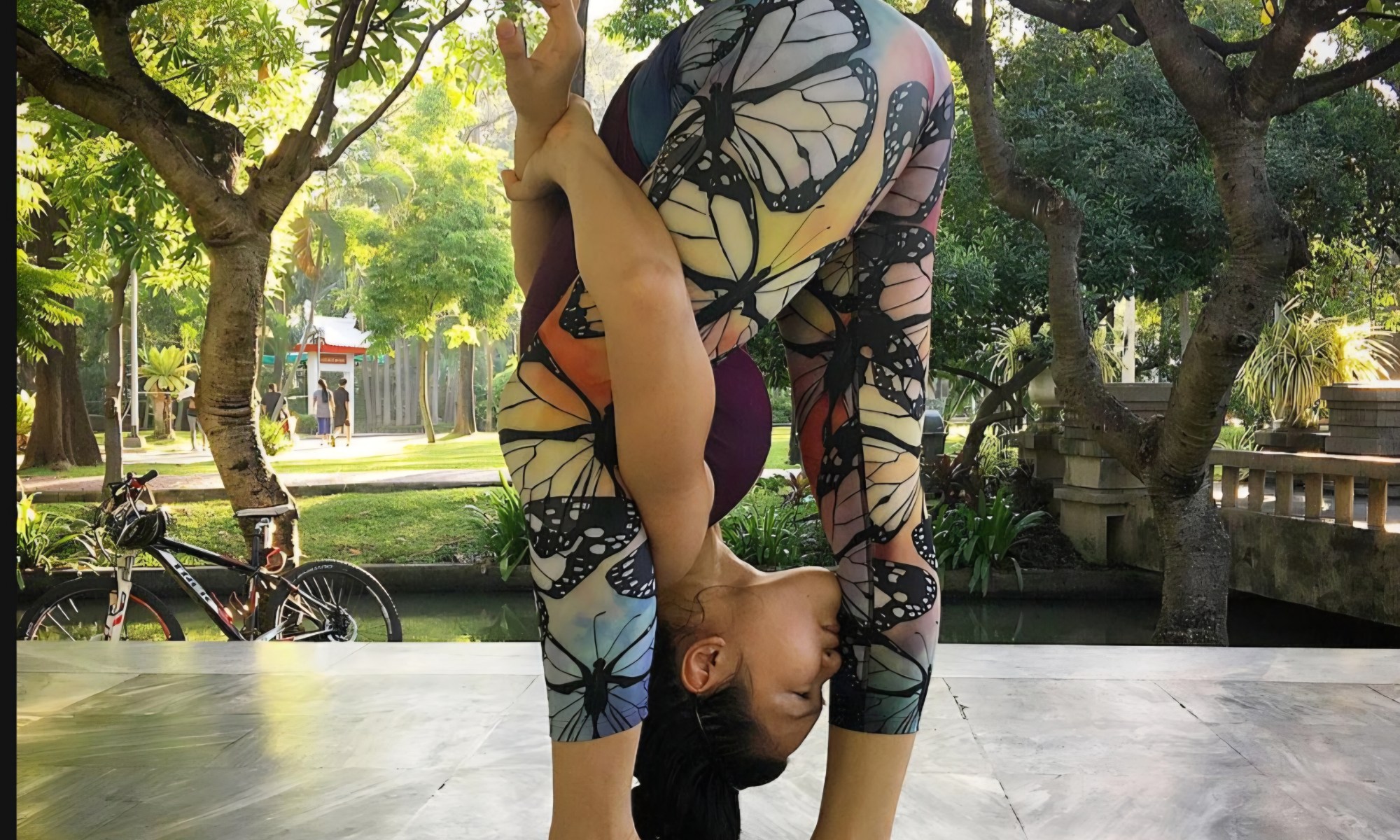
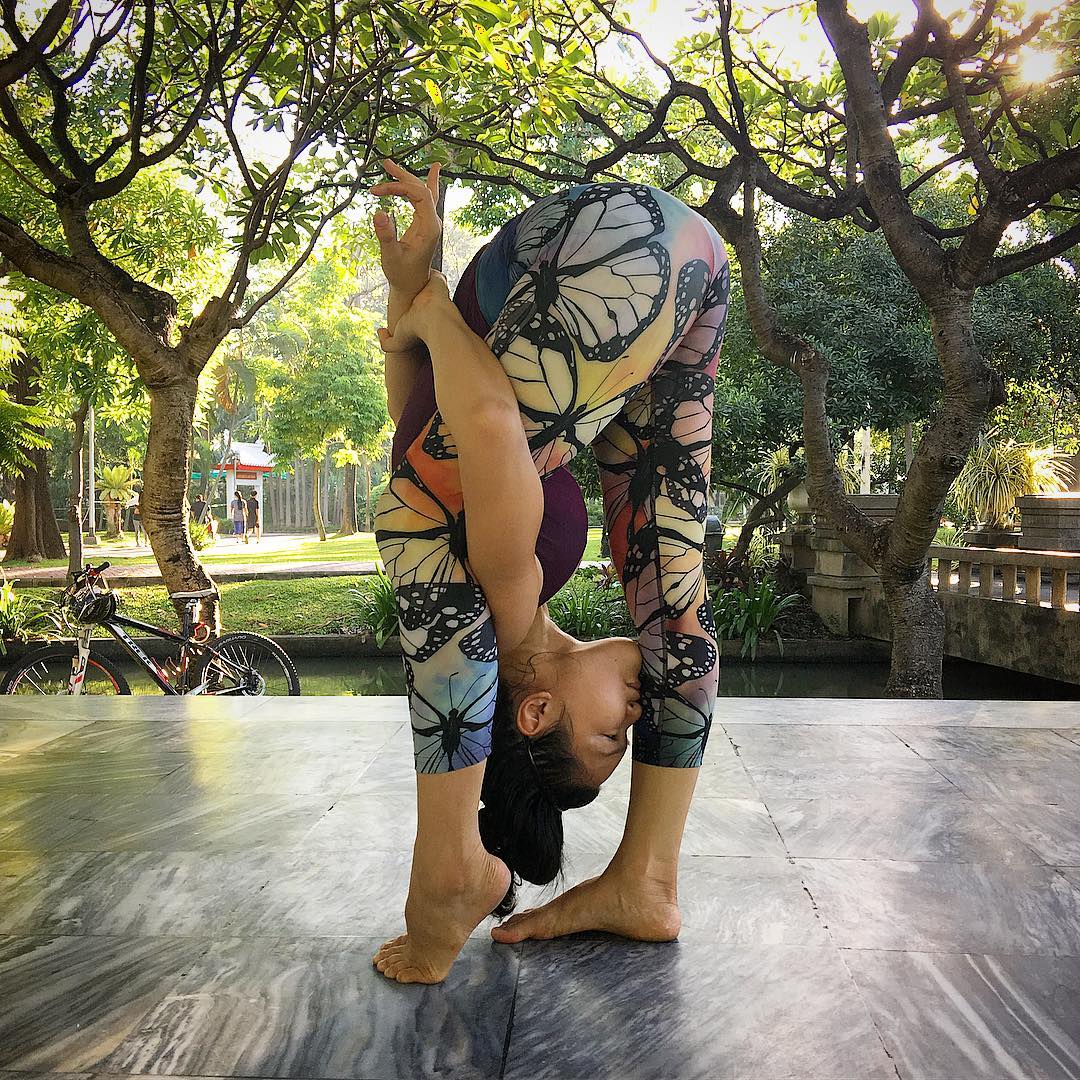
Yoga Rebel @yogarebellondon 2 hours ago
Funky Forward Fold! We  different twists on classic yoga poses! PC: @maytanee1520

health.clevelandclinic.org
What Is Passive Stretching?
Relax into this form of stretching while a prop or partner assists you
When you think of stretching, you might picture someone sitting on the floor, legs extended, reaching for their toes. But passive stretching takes a different approach. Instead of relying on your own flexibility, you use something (or someone) else to help.
Licensed massage therapist and registered nurse DeBorah Hill, RN, LMT, explains passive stretching and how it can benefit your health.
Most people are familiar with dynamic and static stretching. Static stretching focuses on holding a pose that stretches your muscle as far as you can. Dynamic stretching uses movements, like walking lunges or hip circles, to warm up your muscles before an activity.
Dynamic and static stretches are limited to how far you can physically move. Think of toe touches: Some people can touch their toes and beyond, while others can’t reach their knees.
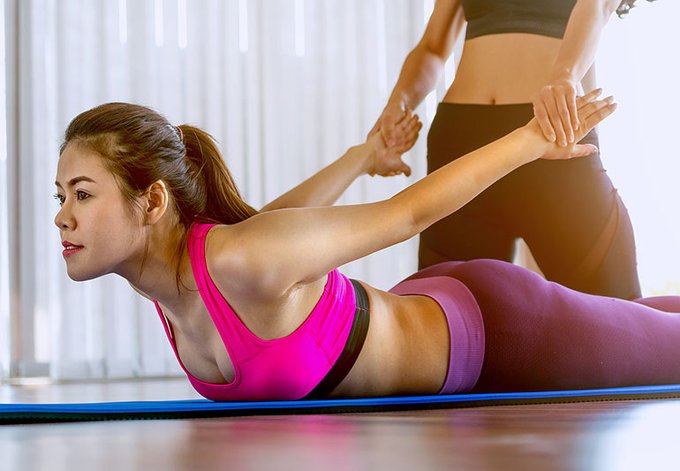
Passive stretching uses other forces to stretch your muscles, rather than your own ability. “During passive stretching, your body is loose and relaxed,” says Hill. “You let an external force — like a partner, towel or fitness strap — do the work.”
For example, instead of touching your toes, you can perform a passive hamstring stretch. During this stretch, you lie on your back and use a rolled-up towel or strap to help you stretch the back of your thigh.
If you’re new to passive stretching, use care. You could accidentally stretch a muscle too much and cause injury.
“Listen to your body as you stretch,” advises Hill. “Passive stretching should not hurt, and many people overestimate how flexible they are. It’s helpful to talk with a licensed physical therapist or massage therapist before you start.”
Consider adding passive stretching to your routine to:
Unlike static or dynamic stretching, passive stretching requires your muscles to be relaxed for it to work. This release of physical tension can benefit your mental health.
“When you fully relax for a passive stretch, you tell your brain to shift out of fight-or-flight mode,” explains Hill. “Passive stretching can take you out of survival mode so you feel relaxed.”
One study found passive stretching to be better than dynamic stretching at increasing hamstring flexibility.
“Passive stretching can increase your range of motion when other stretches don’t work for you,” says Hill. “Your prop or partner can help you gently stretch beyond what you can normally do yourself.”
If you have mobility issues or chronic pain, other forms of stretching can be difficult. Passive stretching works for people of all ages and fitness levels. Can’t bend over or move your body a certain way? Passive stretches can work around these limitations.
Passive stretches can work many different muscles. Try these stretches to get started:
This stretch focuses on your chest and shoulders:
This passive stretch focuses on your quadriceps, or the muscles on the front of your thighs:
The backs of your legs, or hamstrings, get a stretch here — no toe-touching required:
Taking a few minutes a day to stretch has big benefits, from preventing injuries to reducing joint pain. And if other forms of stretching haven’t worked for you, passive stretching is worth a try.
“The beauty of passive stretching is that it works for so many people,” states Hill. “Whether you’re just starting out or you’re an elite athlete, passive stretching can help you feel great physically and mentally.”
2,772,240 views May 2, 2022
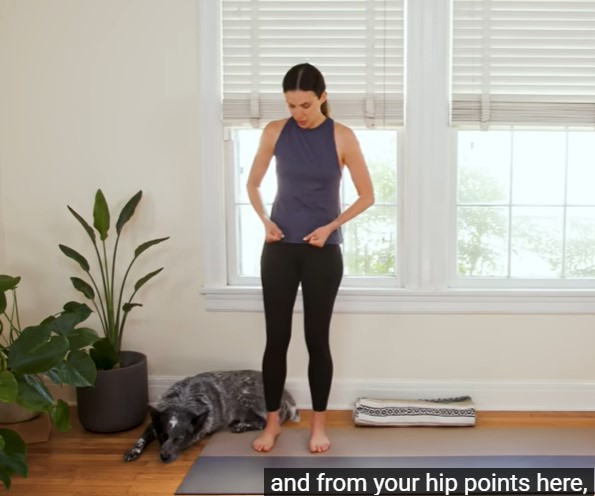
In this 20-minute session for beginners, we will work with breath and other foundational elements to set you up for a sustainable and beneficial practice you enjoy! This is the perfect practice to send to a friend who wants to get into yoga. This is also designed as the perfect all-around practice for someone of any yoga background, with a meditative pace and strong focus on form and function to increase flexibility, build strength, and regulate the nervous system. Repeat this practice and commit to consistency to feel your mental, emotional, and physical health transform. You will move through breath work, poses for the spine, hips, shoulders, and core, as well as poses for the hamstrings, wrists, ankles, knees, and low back. Yoga is for everyone! The hardest part is showing up. Thank you for allowing me to guide you through practice. Let me know how it goes for you in the comment section below!
❤️ WELCOME to the Yoga With Adriene YouTube channel! Our mission is to connect as many people as possible through high-quality free yoga videos. We welcome all levels, all bodies, all genders, all souls! SUBSCRIBE to the channel and join our global movement! ❤️ https://www.youtube.com/user/yogawith…
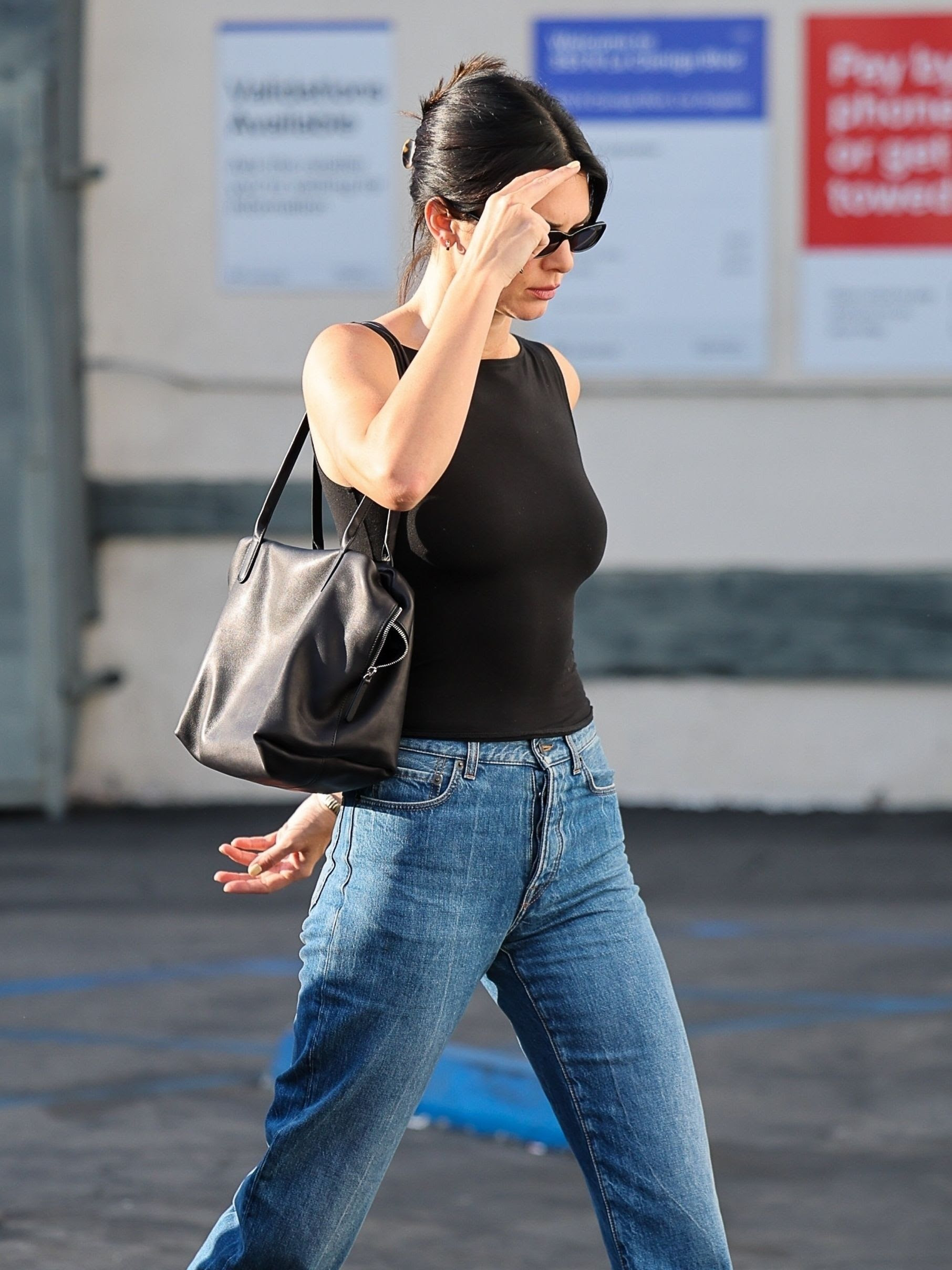
| Skinny jeans are creeping back into the fashion cycle—but before you panic, Kendall Jenner’s latest look proves they can be sleek, modern, and nothing like the skintight pairs of yore. Meanwhile, if your end-of-summer plans involve travel, a naturopath shares five simple, anti-inflammatory habits to help you feel your best while on vacation. |
| ANNA CAFOLLA NEWS EDITOR, VOGUE |

Yoga Rebel @yogarebellondon 3 minutes ago
As much as we love Christmas, we would looove to be practicing yoga on a beach somewhere right now! PC: @kinoyoga
health.clevelandclinic.org
What Is Passive Stretching?
Relax into this form of stretching while a prop or partner assists you
When you think of stretching, you might picture someone sitting on the floor, legs extended, reaching for their toes. But passive stretching takes a different approach. Instead of relying on your own flexibility, you use something (or someone) else to help.
Licensed massage therapist and registered nurse DeBorah Hill, RN, LMT, explains passive stretching and how it can benefit your health.
Most people are familiar with dynamic and static stretching. Static stretching focuses on holding a pose that stretches your muscle as far as you can. Dynamic stretching uses movements, like walking lunges or hip circles, to warm up your muscles before an activity.
Dynamic and static stretches are limited to how far you can physically move. Think of toe touches: Some people can touch their toes and beyond, while others can’t reach their knees.
Passive stretching uses other forces to stretch your muscles, rather than your own ability. “During passive stretching, your body is loose and relaxed,” says Hill. “You let an external force — like a partner, towel or fitness strap — do the work.”
For example, instead of touching your toes, you can perform a passive hamstring stretch. During this stretch, you lie on your back and use a rolled-up towel or strap to help you stretch the back of your thigh.
If you’re new to passive stretching, use care. You could accidentally stretch a muscle too much and cause injury.
“Listen to your body as you stretch,” advises Hill. “Passive stretching should not hurt, and many people overestimate how flexible they are. It’s helpful to talk with a licensed physical therapist or massage therapist before you start.”
Consider adding passive stretching to your routine to:
Unlike static or dynamic stretching, passive stretching requires your muscles to be relaxed for it to work. This release of physical tension can benefit your mental health.
“When you fully relax for a passive stretch, you tell your brain to shift out of fight-or-flight mode,” explains Hill. “Passive stretching can take you out of survival mode so you feel relaxed.”
One study found passive stretching to be better than dynamic stretching at increasing hamstring flexibility.
“Passive stretching can increase your range of motion when other stretches don’t work for you,” says Hill. “Your prop or partner can help you gently stretch beyond what you can normally do yourself.”
If you have mobility issues or chronic pain, other forms of stretching can be difficult. Passive stretching works for people of all ages and fitness levels. Can’t bend over or move your body a certain way? Passive stretches can work around these limitations.
Passive stretches can work many different muscles. Try these stretches to get started:
This stretch focuses on your chest and shoulders:
This passive stretch focuses on your quadriceps, or the muscles on the front of your thighs:
The backs of your legs, or hamstrings, get a stretch here — no toe-touching required:
Taking a few minutes a day to stretch has big benefits, from preventing injuries to reducing joint pain. And if other forms of stretching haven’t worked for you, passive stretching is worth a try.
“The beauty of passive stretching is that it works for so many people,” states Hill. “Whether you’re just starting out or you’re an elite athlete, passive stretching can help you feel great physically and mentally.”
| Skinny jeans are creeping back into the fashion cycle—but before you panic, Kendall Jenner’s latest look proves they can be sleek, modern, and nothing like the skintight pairs of yore. Meanwhile, if your end-of-summer plans involve travel, a naturopath shares five simple, anti-inflammatory habits to help you feel your best while on vacation. |
| ANNA CAFOLLA NEWS EDITOR, VOGUE |


 Fitnessaware