Brighter colours for brighter days with Paul Costelloe’s latest collection. Discover soft-structured jackets in brazen shades with sleeves to be slightly pushed up no further than the elbow.
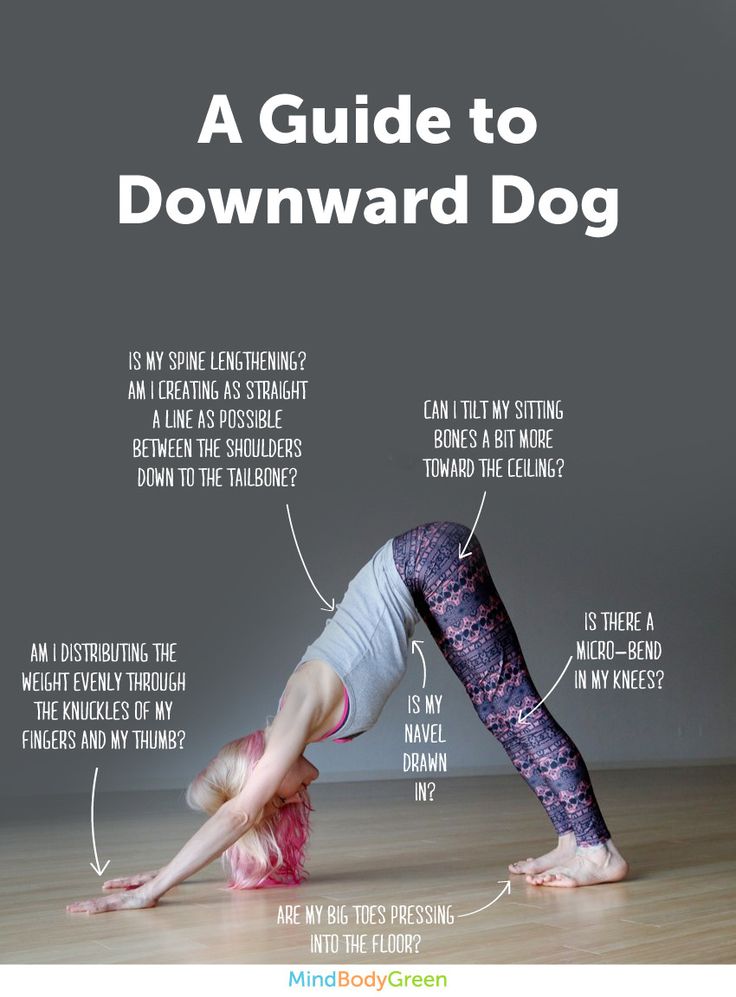
The benefits of downward dog pose include helping to release tension in the shoulders, align the spinal column, and strengthen the legs and arms. The downward dog pose lengthens and stretches the hamstrings and Achilles tendons as well as increasing ankle flexibility.
Skinny jeans are creeping back into the fashion cycle—but before you panic, Kendall Jenner’s latest look proves they can be sleek, modern, and nothing like the skintight pairs of yore.
Meanwhile, if your end-of-summer plans involve travel, a naturopath shares five simple, anti-inflammatory habits to help you feel your best while on vacation.
Adapted from Boosting Your Energy, Medical Editor: Anthony L. Komaroff, MD, Simcox-Clifford-Higby Professor of Medicine, Harvard Medical School; Senior Physician, Brigham & Women’s Hospital, Boston.
The benefits of exercise are truly profound. Exercise helps you feel better, think more clearly, and look your best. It also helps to control appetite, boost mood, improve sleep, and reduce your risk of heart disease, stroke, diabetes, dementia, depression, and many cancers.
Add to that long list of benefits that exercising regularly remains one of the most powerful ways to boost your energy. In fact, nothing medicine has ever invented or discovered rivals regular exercise when it comes to protecting your health and sustaining your energy.
Exercise boosts your energy
Think of your energy level as a rechargeable battery. Being active is like plugging in the battery and recharging it, while sitting idle causes the energy to drain away.
Boosting Your Energy
Fatigue is a symptom, not a disease, and it’s experienced differently by different people. Fatigue from stress or lack of sleep usually subsides after a good night’s rest, while other fatigue is more persistent and may be debilitating even after restful sleep. Harvard’s Special Health Report Boosting Your Energy provides advice and information from world-renowned medical experts that can help you discover the cause of your fatigue and find the right treatment or lifestyle changes.
When you’re inactive, you are losing muscle cells. The cells that remain have fewer mitochondria, which lowers their ability to produce energy. It’s remarkable how little time it takes to see the effects of this.
People who have a limb immobilized because of an injury or illness begin losing muscle cells within just six hours. With weaker muscles, everything you ask your muscles to do requires more effort, leaving less energy for other activities.
It’s particularly important to keep exercising as you age because muscle mass tends to decline over the years. Sarcopenia, the gradual decrease in muscle tissue, starts earlier than you may realize — around age 30.
The average 30-year-old can expect to lose about 25% or more of his or her muscle mass and strength by age 70, and another 25% by age 90. The result is not only a decrease in energy, but also an increase in risk for a host of other diseases.
Lack of exercise also causes changes in your heart and lungs. These organs become less efficient at oxygenating your blood and pumping that blood (along with nutrients) to the different parts of your body.
Starting to Exercise
What can improve your mood, boost your ability to fend off infection, and lower your risk for heart disease, diabetes, high blood pressure, and colon cancer? The answer is regular exercise. It may seem too good to be true, but it’s not. Hundreds of studies demonstrate that exercise helps you feel better and live longer. Starting to Exercise answers many important questions about physical activity. It will also help guide you through starting and maintaining an exercise program that suits your abilities and lifestyle.
That in turn affects your energy level, most noticeably during periods of physical exertion. Compared with an active person, a sedentary person experiences more fatigue when carrying out a physically demanding task and has both a higher heart rate and lower oxygen consumption.
Inactivity also has psychological effects. The less active you are, the less active you want to be. People who don’t exercise have a greater perception of fatigue than people who do.
The benefits of exercise: protecting your health
Regular physical activity not only increases your day-to-day vitality, but also helps prevent the kinds of illnesses that drain your energy over time. Strong evidence from thousands of studies shows that regular exercise delivers wide-ranging benefits, including
reducing your risks of heart disease, stroke, high blood pressure, and high cholesterol
lowering blood sugar levels and reducing your risk for type 2 diabetes and metabolic syndrome
reducing the risk of certain cancers, including breast and colon cancers
easing mild to moderate depression
reducing your risk for osteoporosis (provided you do weight-bearing exercise, meaning exercise where you work against gravity)
helping prevent or ease low back pain
relieving arthritis pain and expanding a limited range of motion
helping maintain muscle mass and prevent falls
boosting mental sharpness in older adults
strengthening your muscles, lungs, and heart
improving functional abilities in older adults, such as being able to walk up stairs or through a store, heft groceries, rise from a chair without help, and perform a multitude of other activities that allow independence
helping prevent weight gain, and possibly aid weight loss when combined with the proper diet
lowering the risk for hip fractures.
The bottom line: move more, feel more energetic
Regular exercise doesn’t just build strength and fitness; it keeps your internal “battery” charged by preserving muscle, boosting heart and lung function, and keeping diseases at bay. Even small, consistent steps — like walking, stretching, or light strength training — can make a big difference in your daily energy and long-term health.
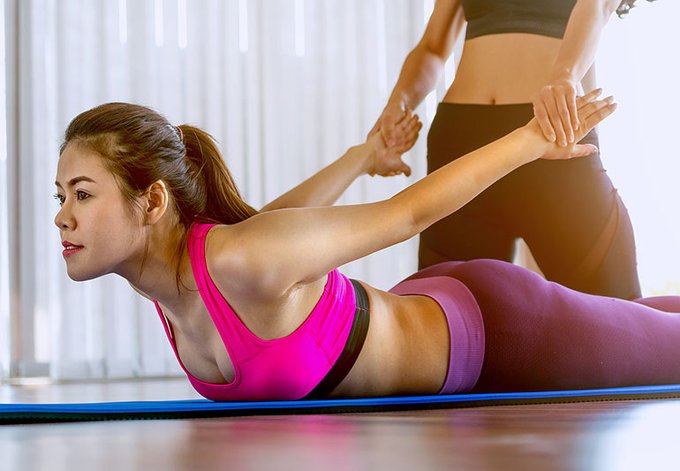
Relax into this form of stretching while a prop or partner assists you
When you think of stretching, you might picture someone sitting on the floor, legs extended, reaching for their toes. But passive stretching takes a different approach. Instead of relying on your own flexibility, you use something (or someone) else to help.
Licensed massage therapist and registered nurse DeBorah Hill, RN, LMT, explains passive stretching and how it can benefit your health.
What is passive stretching?
Most people are familiar with dynamic and static stretching. Static stretching focuses on holding a pose that stretches your muscle as far as you can. Dynamic stretching uses movements, like walking lunges or hip circles, to warm up your muscles before an activity.
Dynamic and static stretches are limited to how far you can physically move. Think of toe touches: Some people can touch their toes and beyond, while others can’t reach their knees.
Passive stretching uses other forces to stretch your muscles, rather than your own ability. “During passive stretching, your body is loose and relaxed,” says Hill. “You let an external force — like a partner, towel or fitness strap — do the work.”
For example, instead of touching your toes, you can perform a passive hamstring stretch. During this stretch, you lie on your back and use a rolled-up towel or strap to help you stretch the back of your thigh.
If you’re new to passive stretching, use care. You could accidentally stretch a muscle too much and cause injury.
“Listen to your body as you stretch,” advises Hill. “Passive stretching should not hurt, and many people overestimate how flexible they are. It’s helpful to talk with a licensed physical therapist or massage therapist before you start.”
Benefits of passive stretching
Consider adding passive stretching to your routine to:
Relieve stress
Unlike static or dynamic stretching, passive stretching requires your muscles to be relaxed for it to work. This release of physical tension can benefit your mental health.
“When you fully relax for a passive stretch, you tell your brain to shift out of fight-or-flight mode,” explains Hill. “Passive stretching can take you out of survival mode so you feel relaxed.”
Increase flexibility
One study found passive stretching to be better than dynamic stretching at increasing hamstring flexibility.
“Passive stretching can increase your range of motion when other stretches don’t work for you,” says Hill. “Your prop or partner can help you gently stretch beyond what you can normally do yourself.”
Overcome mobility limitations
If you have mobility issues or chronic pain, other forms of stretching can be difficult. Passive stretching works for people of all ages and fitness levels. Can’t bend over or move your body a certain way? Passive stretches can work around these limitations.
Examples of passive stretching
Passive stretches can work many different muscles. Try these stretches to get started:
1. Doorway stretch
This stretch focuses on your chest and shoulders:
Stand just behind a doorway.
Place one foot slightly in front of the other for stability.
Raise your arms to the side with your elbows bent at 90 degrees, palms facing forward like goal posts. Allow your elbows, forearms and palms to press against the doorframe.
Gently lean forward, keeping your arms on the doorframe.
Hold for 10 seconds.
Rest for five seconds and repeat.
2. Standing quad stretch
This passive stretch focuses on your quadriceps, or the muscles on the front of your thighs:
Stand next to a steady object, such as a table or wall, that can be used for balance.
Loop a rolled-up towel or fitness strap around your right ankle.
Hold the other end of the towel or strap with your right hand.
Place your left hand on the table or wall for balance.
Slowly bend your right knee and pull your right foot up toward your buttocks using the towel or strap.
Hold for up to 30 seconds.
Repeat on the opposite leg.
3. Towel hamstring stretch
The backs of your legs, or hamstrings, get a stretch here — no toe-touching required:
Lie on your back, with your legs straight and relaxed.
Slowly raise one leg up toward the ceiling without bending your knee, keeping your leg relaxed.
Hook the towel or strap behind your hamstring or calf or under the arch of your foot, depending on what’s comfortable for you.
Using your towel or strap, gently pull your leg towards you until you feel the stretch.
Hold for up to 30 seconds.
Switch legs.
A stretching routine is worth it
Taking a few minutes a day to stretch has big benefits, from preventing injuries to reducing joint pain. And if other forms of stretching haven’t worked for you, passive stretching is worth a try.
“The beauty of passive stretching is that it works for so many people,” states Hill. “Whether you’re just starting out or you’re an elite athlete, passive stretching can help you feel great physically and mentally.”
Do you want to prevent back pain? These exercises work to stretch and strengthen your back and supporting muscles. Get the edge you need to reduce your pain and return to your active lifestyle. #PainAwarenessMonth#FitTipFriday – https://mayocl.in/2XayVBJ
Skinny jeans are creeping back into the fashion cycle—but before you panic, Kendall Jenner’s latest look proves they can be sleek, modern, and nothing like the skintight pairs of yore.
Meanwhile, if your end-of-summer plans involve travel, a naturopath shares five simple, anti-inflammatory habits to help you feel your best while on vacation.
Skinny jeans are creeping back into the fashion cycle—but before you panic, Kendall Jenner’s latest look proves they can be sleek, modern, and nothing like the skintight pairs of yore.
Meanwhile, if your end-of-summer plans involve travel, a naturopath shares five simple, anti-inflammatory habits to help you feel your best while on vacation.







 Fitnessaware