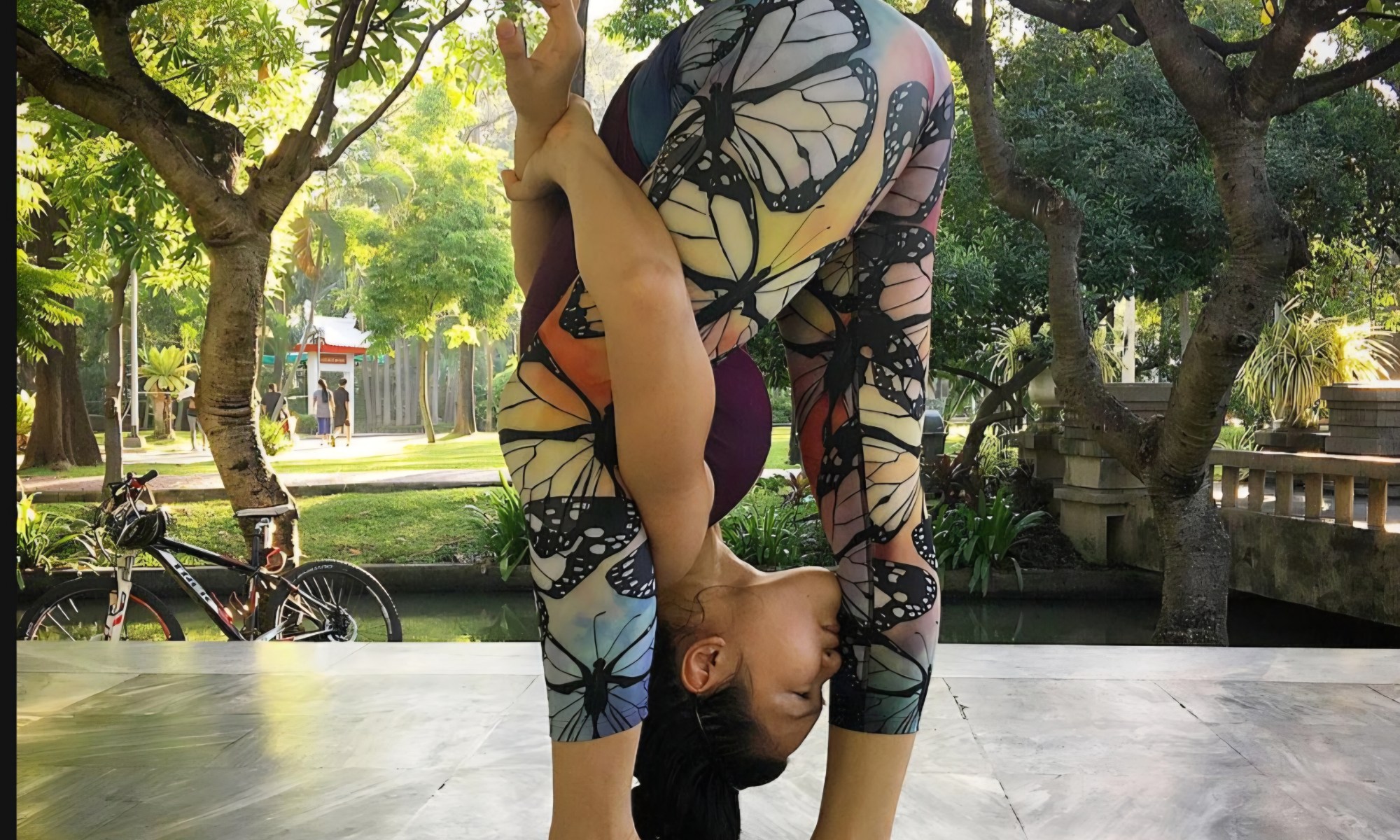
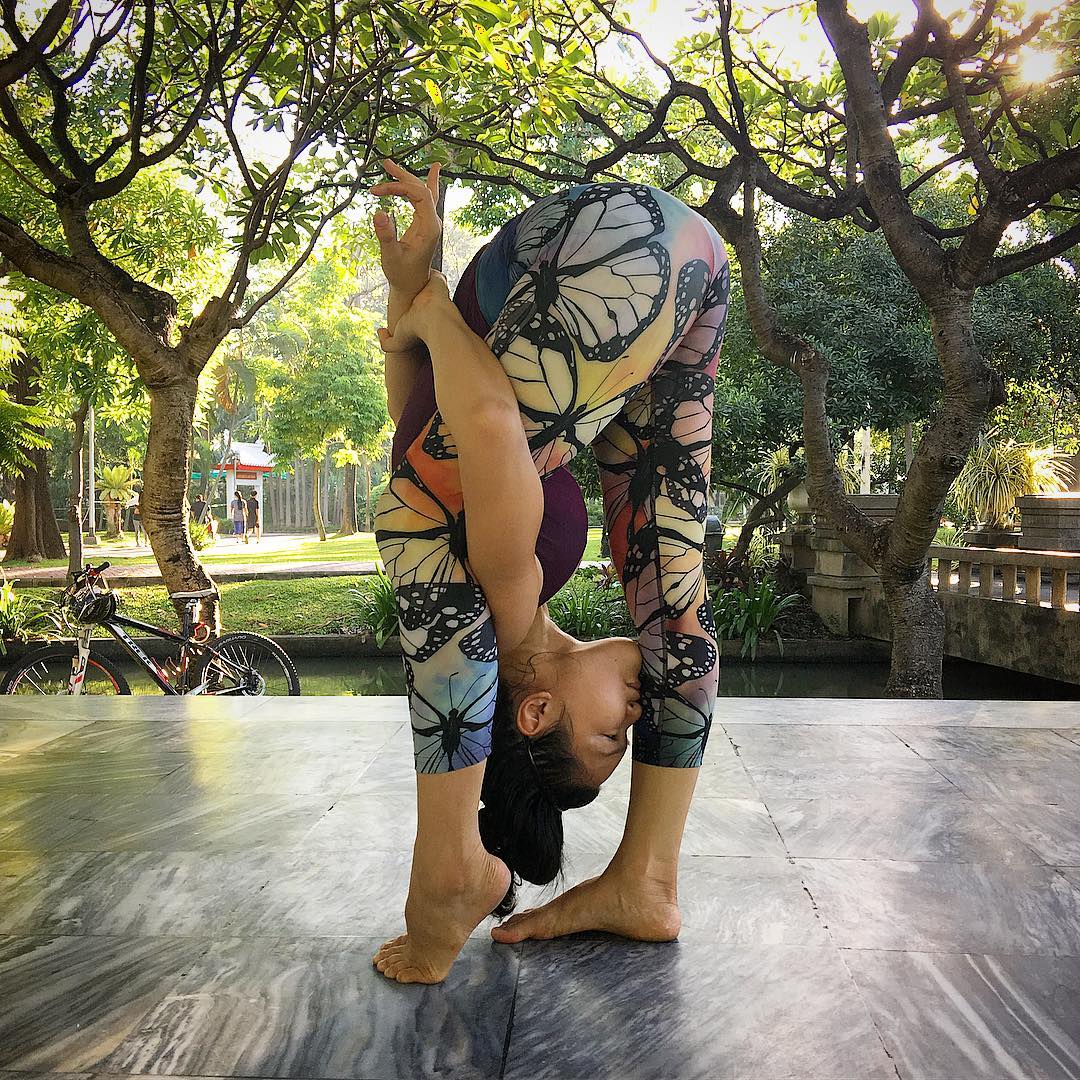
2 reasons why a strong core is so important to overall health:@YogaWorks


YogaWorks

@YogaWorks
·


2 reasons why a strong core is so important to overall health: • Good posture: a strong core leads to less slouching, deeper breathing and comfort standing. • Balance and stability: the ability to move, walk, run, turn, bend, and so on comes from the core. : Ashley Lorenzo

10 amazing benefits of running @RunnersWorld #physicalactivity ❤️🦵😂

Running can do wonders for your strength, fitness, mental wellbeing and lifespan – and there’s no better time to start running than now

By Andy Dixon and Rachel BoswellUpdated: 05 June 2024

Occasions like Global Running Day and the London Marathon put a brilliant spotlight on the activity of running – but running isn’t just about single days. Instead, running is a sport, a hobby and a mental and physical release that everyone can enjoy and improve at. In other words, running can become a welcome, important and extremely beneficial part of your life.

If you’ve never run a step, here are 10 benefits of running that will inspire you to lace up those running shoes and get going today…

1. It strengthens your body

When you run, your whole physiology reaps the rewards of your movement. Here are just some parts of the body that feel the positive effects of those accumulated running steps.

The heart

Among other things, regular running helps to improve your respiratory function, lower your cholesterol, reduce your risk of diabetes and improve your heart health. In fact, according to leading cardiologist Dr Dan Augustine, ‘if you could put exercise into a pill, it would be better than most drugs that a doctor could give you’. That, in itself, is one mighty selling point for running.

The heart is like an engine. As you run, or do any form of endurance exercise, your heart must pump out more blood so it can deliver more oxygen to other muscles and organs in the body to keep them working effectively. In return, more blood must return to the heart so the cycle can continue. The more you run, the bigger and stronger your heart becomes, which means it can pump out more blood with each heartbeat. This, in turn, means that your heart can deliver the same amount of oxygen with fewer heartbeats, lowering your heart rate – and a lower heart rate is linked with more efficient heart function and better cardiovascular fitness.

The legs

Unsurprisingly, running is a lower limb-centric exercise that variously employs the four main leg muscle groups – quadriceps, calves, glutes and hamstrings – among other big muscles such as your hip flexors. As you run and repeatedly use these lower body muscles, you’ll gradually increase your muscle strength, build your speed and balance, reduce your risk of injury and improve your running economy. That amounts to many wins.

The joints

Sorry, naysayers! Despite popular legend, running won’t wreck your knees. Instead, it can actually strengthen your knees and other joints, with research from Stanford University in California finding that recreational runners showed less wear and tear on their joints than non-runners.

2. It can help you to live longer

Various studies add evidence to the pile that running works wonders for your lifespan.

A recent study published in the International Journal of Environmental Research & Public Health has found that running for 75 minutes per week can add a solid 12 years to your life. Looking at 4,400 subjects, it compared those who ran at least 75 minutes a week with those who ran less than 10 minutes a week, showing that big rewards can come from a small, manageable amount of running.

Meanwhile, another study of 55,000 people concluded that running three times a week for an average of just 17 minutes at a time reduced the risk of fatal heart attack or stroke by 55%.

3. It can reduce your risk of cancer

While running doesn’t cure cancer, plenty of research suggests that it can help to prevent it. A recent study published in Cancers (Basel) found that those who engaged in exercise had, for example, a 70% lower risk of developing colon cancer, around 30 to 40% less chance of developing breast cancer and an overall prostate cancer risk reduction ranging from 5% to 65%. It also concluded that exercise can also be used as ‘a complementary part of the medical treatment of cancer patients’.

Another study performed a genetic analysis of nearly 131,000 women from around the world, including nearly 70,000 who had been diagnosed with invasive breast cancer. It found that people who were likely to engage in ‘greater overall physical activity, greater vigorous activity, and lower sedentary time’ – based on their DNA – had a 41% lower risk of invasive breast cancer than those who were inactive. This means that physical activity such as running could help to safeguard your body against diseases such as this.

4. It keeps your mind sharp

While the physical benefits of running are enormous, let’s not overlook the psychological ones.

Research in the Psychonomic Bulletin and Review posited ‘insurmountable’ evidence that regular exercise helps to curb age-related mental decline, with Frontiers in Aging Neuroscience also finding that adults over the age of 50 who take up aerobic exercise benefit from better cognitive function and improved blood flow in the brain.

What’s more, a separate study in the Journal of Alzheimer’s Disease found that those who ran 15.3 miles per week had a 40% lower risk of dying from Alzheimer’s disease than non-runners.

As such, the cognitive benefits of running are worth keeping in mind.

5. It soothes stress

Ever felt more relaxed and energised after a run? If so, you aren’t alone, as running is repeatedly cited as an activity that helps to lift mental loads and reduce feelings of stress and anxiety.

A small study conducted by Asics measured the brain waves of participants before and after a 20-minute run, and found that even this relatively short bout of exercise led to a 58% reduction in levels of cognitive stress.

6. It doesn’t cost much

We all have different budgets and priorities when it comes to running, just like anything else.

While we can spend money on more premium running goods such as carbon plate running shoes, GPS running watches and compression boots for recovery should we want or be able to, it’s important to remember that running needn’t cost the earth. Strip things back to basics and all you really need to get started and feel the benefits of running is a pair of comfortable, supportive running shoes and good-fitting running kit that works with you as you move. As far as sports go, running is one of the most affordable you can choose to do.

7. It’s perfect ‘me time’

Running is a great way to give yourself permission to do something just for you. As you log the miles you can listen to music, catch up on an audiobook or tune into your favourite podcast. Or, you could leave your phone at home, unplug yourself altogether and be mindful of your breathing and the sights and sounds around you.

Whether it’s to escape the kids or your inbox, or to simply catch some fresh air while you can, carving out time for a run helps to keep the balance of your life in check.

8. It gives you a chance to enjoy nature

Talking of fresh air, going for a run really is an ideal reason to get outside and enjoy the therapeutic benefits of nature. One study published in Environmental Science & Technology found that people who exercised outdoors experienced increased energy levels and decreased feelings of depression, and were more likely to repeat their workouts.

Running in a natural environment is also good for boosting your levels of vitamin D – an all-important vitamin in which many Britons are deficient – so there’s no better reason to hit the trails or your local park for your next run.

9. It puts you in control

Adaptable and flexible, running is the ultimate pursuit for personalisation – you can choose precisely how and when you want to approach it.

You can run solo or with others; purely for fun or to prepare for goal races; for 10 minutes or for two hours; first thing in the morning or as the final activity to wrap up your day. A special benefit of running is that it’s not a one-size-fits-all activity – instead, it’s one that you can slot into your life according to your own targets, preferences and schedule. It’s up to you.

10. It can boost your happiness

When you go for a run, you can leave negativity at the door – studies have proven that running can enhance your mood and general sense of wellbeing.

One study, conducted by Glasgow Caledonian University, quizzed more than 8,000 parkrun regulars on their health and wellbeing. On average, they scored 4.4 out of 6 on the Oxford Happiness Questionnaire, which is above the average of score of 4 for the general population. Plus, 89% of parkrun participants said that running regularly made them feel happier and had a positive impact on their mental health – and that’s perhaps one of the best benefits of running you can get.

Related Story

Benefits of Downward Dog

downward dog

The benefits of downward dog pose include helping to release tension in the shoulders, align the spinal column, and strengthen the legs and arms. The downward dog pose lengthens and stretches the hamstrings and Achilles tendons as well as increasing ankle flexibility.

Does exercise give you energy? @HarvardHealth

Adapted from  Boosting Your Energy, Medical Editor: Anthony L. Komaroff, MD, Simcox-Clifford-Higby Professor of Medicine, Harvard Medical School; Senior Physician, Brigham & Women’s Hospital, Boston.

The benefits of exercise are truly profound. Exercise helps you feel better, think more clearly, and look your best. It also helps to control appetite, boost mood, improve sleep, and reduce your risk of heart disease, stroke, diabetes, dementia, depression, and many cancers.

Add to that long list of benefits that exercising regularly remains one of the most powerful ways to boost your energy. In fact, nothing medicine has ever invented or discovered rivals regular exercise when it comes to protecting your health and sustaining your energy.

Exercise boosts your energy

Think of your energy level as a rechargeable battery. Being active is like plugging in the battery and recharging it, while sitting idle causes the energy to drain away.

Boosting Your Energy

Fatigue is a symptom, not a disease, and it’s experienced differently by different people. Fatigue from stress or lack of sleep usually subsides after a good night’s rest, while other fatigue is more persistent and may be debilitating even after restful sleep. Harvard’s Special Health Report Boosting Your Energy provides advice and information from world-renowned medical experts that can help you discover the cause of your fatigue and find the right treatment or lifestyle changes.

When you’re inactive, you are losing muscle cells. The cells that remain have fewer mitochondria, which lowers their ability to produce energy. It’s remarkable how little time it takes to see the effects of this.

People who have a limb immobilized because of an injury or illness begin losing muscle cells within just six hours. With weaker muscles, everything you ask your muscles to do requires more effort, leaving less energy for other activities.

It’s particularly important to keep exercising as you age because muscle mass tends to decline over the years. Sarcopenia, the gradual decrease in muscle tissue, starts earlier than you may realize — around age 30.

The average 30-year-old can expect to lose about 25% or more of his or her muscle mass and strength by age 70, and another 25% by age 90. The result is not only a decrease in energy, but also an increase in risk for a host of other diseases.

Lack of exercise also causes changes in your heart and lungs. These organs become less efficient at oxygenating your blood and pumping that blood (along with nutrients) to the different parts of your body.

Starting to Exercise

What can improve your mood, boost your ability to fend off infection, and lower your risk for heart disease, diabetes, high blood pressure, and colon cancer? The answer is regular exercise. It may seem too good to be true, but it’s not. Hundreds of studies demonstrate that exercise helps you feel better and live longer. Starting to Exercise answers many important questions about physical activity. It will also help guide you through starting and maintaining an exercise program that suits your abilities and lifestyle.

That in turn affects your energy level, most noticeably during periods of physical exertion. Compared with an active person, a sedentary person experiences more fatigue when carrying out a physically demanding task and has both a higher heart rate and lower oxygen consumption.

Inactivity also has psychological effects. The less active you are, the less active you want to be. People who don’t exercise have a greater perception of fatigue than people who do.

The benefits of exercise: protecting your health

Regular physical activity not only increases your day-to-day vitality, but also helps prevent the kinds of illnesses that drain your energy over time. Strong evidence from thousands of studies shows that regular exercise delivers wide-ranging benefits, including

  • reducing your risks of heart disease, stroke, high blood pressure, and high cholesterol
  • lowering blood sugar levels and reducing your risk for type 2 diabetes and metabolic syndrome
  • reducing the risk of certain cancers, including breast and colon cancers
  • easing mild to moderate depression
  • reducing your risk for osteoporosis (provided you do weight-bearing exercise, meaning exercise where you work against gravity)
  • helping prevent or ease low back pain
  • relieving arthritis pain and expanding a limited range of motion
  • helping maintain muscle mass and prevent falls
  • boosting mental sharpness in older adults
  • strengthening your muscles, lungs, and heart
  • improving functional abilities in older adults, such as being able to walk up stairs or through a store, heft groceries, rise from a chair without help, and perform a multitude of other activities that allow independence
  • helping prevent weight gain, and possibly aid weight loss when combined with the proper diet
  • lowering the risk for hip fractures.

The bottom line: move more, feel more energetic

Regular exercise doesn’t just build strength and fitness; it keeps your internal “battery” charged by preserving muscle, boosting heart and lung function, and keeping diseases at bay. Even small, consistent steps — like walking, stretching, or light strength training — can make a big difference in your daily energy and long-term health.