
Women’s Running
@WomensRunning
·
Pain is an inevitable part of endurance-sport training and racing, and at the same time, the greatest obstacle endurance athletes face as they pursue their goals. Here’s how to manage it.
Health & Wellbeing

DEAR MAYO CLINIC: A few neighbors formed a running group to train for a marathon in 2021. I’m thinking about joining them as I know that running can be good exercise, but I’ve never run before. Is running a marathon actually good for my health? Should I do certain things to avoid injuries?
ANSWER: Being active and engaging in regular aerobic exercise is important for overall heart health and wellness. Typically, 30 minutes of moderate intensity activity five days a week is recommended for most healthy adults. Running is a simple, low-cost exercise, and you should be commended for starting a new exercise regimen.
As a first-time runner, I’d recommend that you talk with your health care provider about any concerns, especially if you have any health conditions, such as high blood pressure, heart issues or a history of prior musculoskeletal injuries. Ask your health care provider about any symptoms that you might want to watch for when you run.
Before starting out, I would suggest you invest in a good pair of running shoes and make sure that you warm up and stretch prior to any run. Focus on cross training with exercises that strengthen your hips and core.
If your neighbors are seasoned runners, you may want to consider joining a training program to help you build stamina and increase your mileage over time.
As a novice runner, a marathon may sound overwhelming, but recent research shows that it really could be the key to better health. A study out of the United Kingdom showed first-time marathon runners significantly improved their cardiovascular health during training for a 26.2-mile race.
Specifically, this study showed participants had improvements in overall cardiovascular health but particularly related to the stiffness of the aortic vessel. This is important because as people age, the body’s vessels become stiffer. This can be detrimental to your health since with stiff vessels your body has to work harder to pump blood.
In addition to runners having a substantial decrease in the stiffness of the aortic vessel, which moves blood throughout our body, the study found marathon training improved blood pressure.
The study looked at marathon runners six months prior to training and three week after they completed the London Marathon. On average, the subjects ran about 6 to 13 miles in training per week.
If running a marathon seems too daunting, consider a half marathon or a 5K. The cardiovascular benefits of running remain, no matter the distance. One of the most interesting findings of the UK study was that the slowest runners had the greatest improvements in cardiovascular health.
If running is not enjoyable or you have other issues — let’s say your knees or back make it challenging to run — you can still benefit from lacing up your sneakers. Walking regularly at a brisk pace can result in improvements in overall cardiovascular health and vessel stiffness.
Whatever activity you chose, the key is that you want to aim for at least 30 minutes of moderate intensity activity five days a week. Walking or running with the neighbors is a great way to combine exercise and socialization. And if you’re wondering about the definition of moderate intensity, you should be able to carry on a conversation, but you should not be able to carry a tune. —Dr. Sara Filmalter, Family and Sports Medicine, Mayo Clinic, Jacksonville, Florida

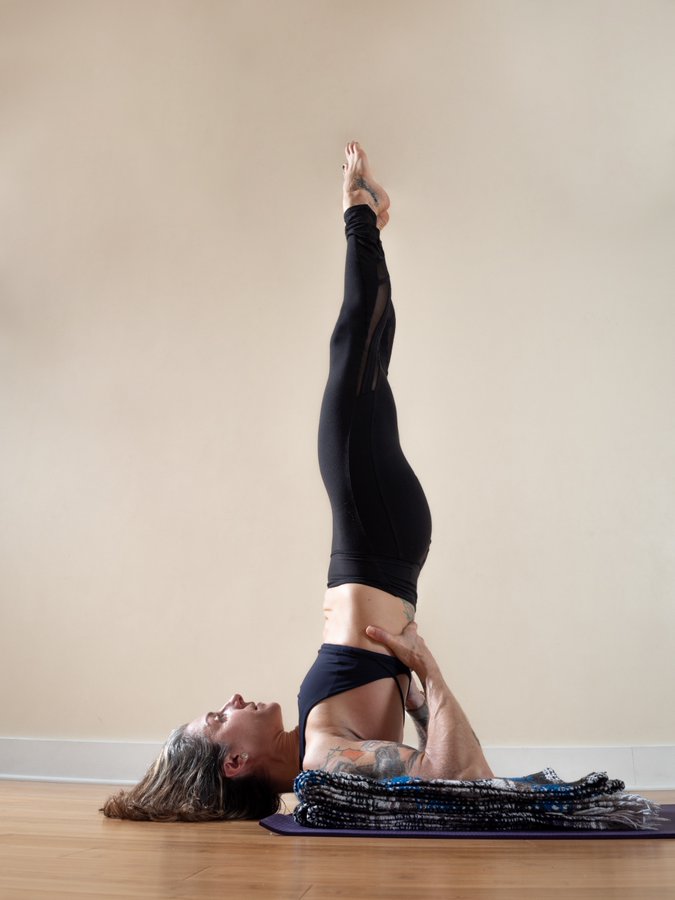

Flexible and strong, hamstrings are key to a healthy, happy yoga practice. Here’s what you need to know in order to lengthen and strengthen these muscles.
Get to Know Your Hamstrings: Why Both Strength & Length Are Essential
“I don’t get it — I go to the gym every day.”
“But I watch what I eat!”
Do these phrases sound familiar? Are you working on a healthier body, and does it seem like you just can’t make all the pieces fit together?
Bad news, boozers: Alcohol linked to seven deadly cancers
There might be a factor sabotaging your workout and your health that you’ve never even considered.
With magazines, newspapers and the media constantly touting alcohol’s health benefits, it’s easy to overlook the havoc that it can wreak on your body.
When it comes to losing weight, counting calories or keeping your body performing at its peak, alcohol isn’t doing you any favors.
Alcohol leads to poor dietary habits
How to get the best deal possible when buying a brand new home
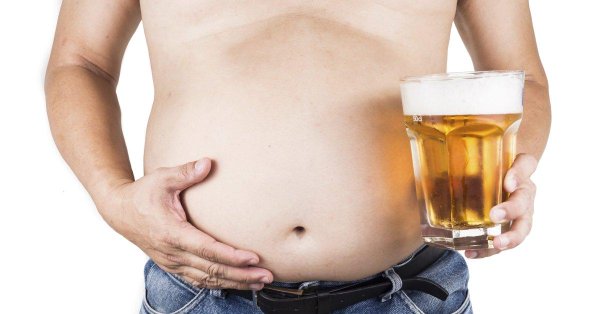
Alcohol contributes to poor dietary habits in a multitude of ways. The empty calories you’re drinking can completely derail the calorie count you’re trying to adhere to. Two or three beers can top out at over 500 calories. A Long Island Ice Tea has over 780 calories in it.
Studies have also shown that drinking at mealtimes is associated with insufficient intake of healthy foods, such as fruits and vegetables, and with excessive intake of animal protein.
Those appetizers you’re munching alongside your happy hour drinks have already negated your workout from this morning.
Now add in the greasy spoon breakfast you’re going to consume in the morning to deal with the inevitable hangover, and you can see why alcohol is not exactly a diet buddy.
Alcohol steals your energy
Alcohol disrupts your sleeping patterns and causes fatigue and dehydration. Combine those three factors, and you’ll find yourself skipping the gym on Thursday morning after Wine Down Wednesday.
That fatigue is going to last through the day, so you’ll probably be dragging after work, too. It’s easy to bypass your Zumba class for the couch and a bag of chips instead.
Add up the damage that you’ve just created from the combination of empty calories, lack of exercise, poor food choices and a slowed metabolism from the alcohol, and you can easily see why those 10 pounds just keep sticking to you.
Alcohol breaks down muscles
The most profound impact that alcohol has on your workout and your body is in your muscles themselves. You build muscle through protein synthesis. A study by Penn State showed that alcohol slows muscle growth by 15 to 20%.
Alcohol is also a hormone disruptor. It lowers testosterone levels while increasing estrogen. Testosterone is the single most important muscle-building hormone in your body. How much muscle a person can gain is dependent upon their level of free-flowing testosterone.
Basically every drinking day negates an entire workout when it comes to building muscles. Also, remember that alcohol slows reaction time and your ability to create glucose for energy. It robs your body of nutrients and carbohydrates.
You might as well just cancel that gym membership.
Alcohol increases fat storage
Alcohol has a huge ego. When you drink, alcohol more or less takes over and demands that it be processed first. So, everything else that you’ve consumed is put on hold. Alcohol becomes the first fuel your body will use, but it lacks any nutrients or minerals.
To top it off, while alcohol is being metabolized, your body won’t burn any fat. Since alcohol is mainly sugar, the only thing your body can convert it to is fat.
By drinking, you’re basically compounding the problem, putting the brakes on burning any fat your body has stored and adding to it with the alcohol you’ve consumed. Your Long Island Ice Tea just turned into a double!
Alcohol might be touted by the media for its health benefits, but if you take a long, hard look at elite athletes, trainers and nutritionists, you’ll quickly find that the majority of them abstain from alcohol use.
If you’re truly dedicated to staying healthy and improving your body through diet and exercise, then go ahead and skip happy hour at the bar.
Hit up a smoothie bar instead. You can fuel up with the energy you need for your work out. Rather than consuming empty calories, your body can use the nutrients and minerals to fortify your hard work.
You’ll also sleep better and wake up refreshed so you can stick to your plan, shave seconds off your running time, or conquer a new goal at Crossfit.
Whatever your workout goal is, going alcohol free will get you there sooner and healthier!
Annie Grace is the author of “This Naked Mind: Control Alcohol, Find Freedom, Discover Happiness & Change Your Life.” Learn more at thisnakedmind.com. Connect with Annie on Twitter.com and Facebook.com.


Flexible and strong, hamstrings are key to a healthy, happy yoga practice. Here’s what you need to know in order to lengthen and strengthen these muscles.
Get to Know Your Hamstrings: Why Both Strength & Length Are Essential

Easkey Co.Sligo. West Coast of Ireland.

 Fitnessaware