·
Mother is a verb. It’s something you do. Not just who you are. Thank you for all you do. Happy Mother’s Day

Health & Wellbeing

DEAR MAYO CLINIC: A few neighbors formed a running group to train for a marathon in 2021. I’m thinking about joining them as I know that running can be good exercise, but I’ve never run before. Is running a marathon actually good for my health? Should I do certain things to avoid injuries?
ANSWER: Being active and engaging in regular aerobic exercise is important for overall heart health and wellness. Typically, 30 minutes of moderate intensity activity five days a week is recommended for most healthy adults. Running is a simple, low-cost exercise, and you should be commended for starting a new exercise regimen.
As a first-time runner, I’d recommend that you talk with your health care provider about any concerns, especially if you have any health conditions, such as high blood pressure, heart issues or a history of prior musculoskeletal injuries. Ask your health care provider about any symptoms that you might want to watch for when you run.
Before starting out, I would suggest you invest in a good pair of running shoes and make sure that you warm up and stretch prior to any run. Focus on cross training with exercises that strengthen your hips and core.
If your neighbors are seasoned runners, you may want to consider joining a training program to help you build stamina and increase your mileage over time.
As a novice runner, a marathon may sound overwhelming, but recent research shows that it really could be the key to better health. A study out of the United Kingdom showed first-time marathon runners significantly improved their cardiovascular health during training for a 26.2-mile race.
Specifically, this study showed participants had improvements in overall cardiovascular health but particularly related to the stiffness of the aortic vessel. This is important because as people age, the body’s vessels become stiffer. This can be detrimental to your health since with stiff vessels your body has to work harder to pump blood.
In addition to runners having a substantial decrease in the stiffness of the aortic vessel, which moves blood throughout our body, the study found marathon training improved blood pressure.
The study looked at marathon runners six months prior to training and three week after they completed the London Marathon. On average, the subjects ran about 6 to 13 miles in training per week.
If running a marathon seems too daunting, consider a half marathon or a 5K. The cardiovascular benefits of running remain, no matter the distance. One of the most interesting findings of the UK study was that the slowest runners had the greatest improvements in cardiovascular health.
If running is not enjoyable or you have other issues — let’s say your knees or back make it challenging to run — you can still benefit from lacing up your sneakers. Walking regularly at a brisk pace can result in improvements in overall cardiovascular health and vessel stiffness.
Whatever activity you chose, the key is that you want to aim for at least 30 minutes of moderate intensity activity five days a week. Walking or running with the neighbors is a great way to combine exercise and socialization. And if you’re wondering about the definition of moderate intensity, you should be able to carry on a conversation, but you should not be able to carry a tune. —Dr. Sara Filmalter, Family and Sports Medicine, Mayo Clinic, Jacksonville, Florida

Liked by somers_lily1701 and others
Embrace the new season ahead with key wardrobe pieces that will effortlessly transition from one occasion to the next, all from Paul Costelloe’s spring collection.
@paulcostelloeofficial


Sure, it’s old fashioned. But it’s also nutritional rocket fuel, and athletes are making it taste great. Here’s how.
February 28, 2023 Wes Judd
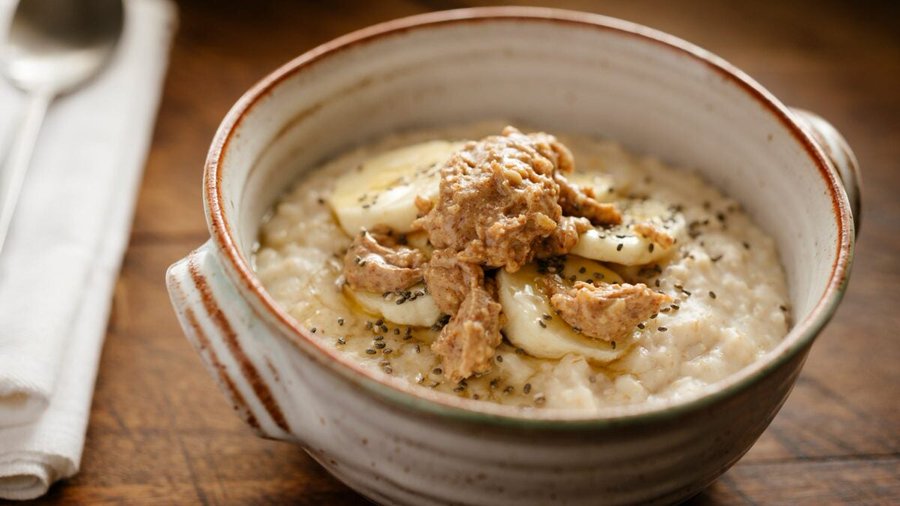
In a world of green juice and chia seed pudding, this age-old dish is the original, and perhaps most powerful, superfood, especially for athletes competing at the highest levels.
“I’ve asked a lot of elite endurance athletes about their breakfast foods, particularly before races, and oatmeal comes up again and again and again,” says Matt Fitzgerald, endurance coach, nutritionist, and author of The Endurance Diet.
You’re most likely to see oatmeal served with a ton of fixin’s, but even a bowl of plain oats holds its own as a nutritional panacea. Oatmeal is a whole grain (unless you buy oat bran—just part of the seed—as opposed to rolled oats) filled with key vitamins and minerals, a low-glycemic carb that provides lasting energy for your workout and helps fuel recovery without causing a sugar crash, and high in fiber to aid your digestive and metabolic systems.
But a bowl of oats is also a big blank canvas, ready to be combined with a truckload of other high-quality, nutritious ingredients that make it even better training food. “That’s one of oatmeal’s great virtues. You can take it in so many directions,” says Fitzgerald.
Even energy bar companies use it. Picky Bars have Picky Oats, a lineup of better-for-the-athlete instant oatmeal chock-full of real ingredients to support performance, rather than added sugars or fake health foods. “I literally believe that besides energy bars, oatmeal is the next most pervasive food for athletes,” says Jesse Thomas, former professional triathlete and Picky Bars CEO.
It’s easy to make. All you have to do is boil a ratio of 1/2 cup rolled oats to one cup liquid—either water or a milk of your choice—and top it with whatever you need that day. (For steel-cut oats, change the ratio to 1/4 cup oats to one cup liquid.) Here’s how six athletes do it.
RELATED: Healthy Delicious Baked Oatmeal

health.clevelandclinic.org
What Is Passive Stretching?
Relax into this form of stretching while a prop or partner assists you
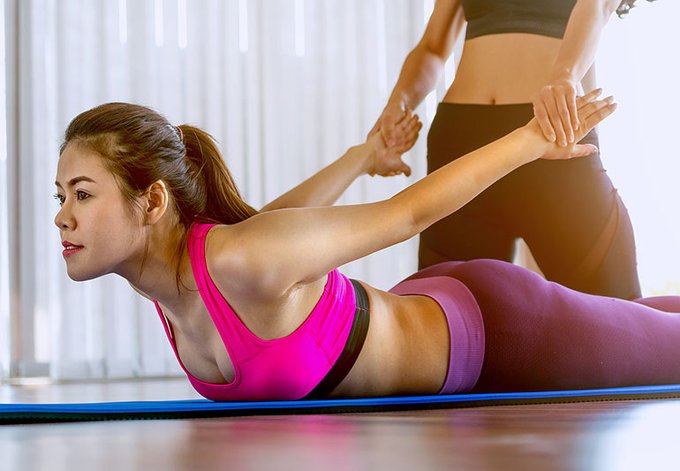
When you think of stretching, you might picture someone sitting on the floor, legs extended, reaching for their toes. But passive stretching takes a different approach. Instead of relying on your own flexibility, you use something (or someone) else to help.
Licensed massage therapist and registered nurse DeBorah Hill, RN, LMT, explains passive stretching and how it can benefit your health.
Most people are familiar with dynamic and static stretching. Static stretching focuses on holding a pose that stretches your muscle as far as you can. Dynamic stretching uses movements, like walking lunges or hip circles, to warm up your muscles before an activity.
Dynamic and static stretches are limited to how far you can physically move. Think of toe touches: Some people can touch their toes and beyond, while others can’t reach their knees.
Passive stretching uses other forces to stretch your muscles, rather than your own ability. “During passive stretching, your body is loose and relaxed,” says Hill. “You let an external force — like a partner, towel or fitness strap — do the work.”
For example, instead of touching your toes, you can perform a passive hamstring stretch. During this stretch, you lie on your back and use a rolled-up towel or strap to help you stretch the back of your thigh.
If you’re new to passive stretching, use care. You could accidentally stretch a muscle too much and cause injury.
“Listen to your body as you stretch,” advises Hill. “Passive stretching should not hurt, and many people overestimate how flexible they are. It’s helpful to talk with a licensed physical therapist or massage therapist before you start.”
Consider adding passive stretching to your routine to:
Unlike static or dynamic stretching, passive stretching requires your muscles to be relaxed for it to work. This release of physical tension can benefit your mental health.
“When you fully relax for a passive stretch, you tell your brain to shift out of fight-or-flight mode,” explains Hill. “Passive stretching can take you out of survival mode so you feel relaxed.”
One study found passive stretching to be better than dynamic stretching at increasing hamstring flexibility.
“Passive stretching can increase your range of motion when other stretches don’t work for you,” says Hill. “Your prop or partner can help you gently stretch beyond what you can normally do yourself.”
If you have mobility issues or chronic pain, other forms of stretching can be difficult. Passive stretching works for people of all ages and fitness levels. Can’t bend over or move your body a certain way? Passive stretches can work around these limitations.
Passive stretches can work many different muscles. Try these stretches to get started:
This stretch focuses on your chest and shoulders:
This passive stretch focuses on your quadriceps, or the muscles on the front of your thighs:
The backs of your legs, or hamstrings, get a stretch here — no toe-touching required:
Taking a few minutes a day to stretch has big benefits, from preventing injuries to reducing joint pain. And if other forms of stretching haven’t worked for you, passive stretching is worth a try.
“The beauty of passive stretching is that it works for so many people,” states Hill. “Whether you’re just starting out or you’re an elite athlete, passive stretching can help you feel great physically and mentally.”


Sure, it’s old fashioned. But it’s also nutritional rocket fuel, and athletes are making it taste great. Here’s how.
February 28, 2023 Wes Judd
In a world of green juice and chia seed pudding, this age-old dish is the original, and perhaps most powerful, superfood, especially for athletes competing at the highest levels.
“I’ve asked a lot of elite endurance athletes about their breakfast foods, particularly before races, and oatmeal comes up again and again and again,” says Matt Fitzgerald, endurance coach, nutritionist, and author of The Endurance Diet.
You’re most likely to see oatmeal served with a ton of fixin’s, but even a bowl of plain oats holds its own as a nutritional panacea. Oatmeal is a whole grain (unless you buy oat bran—just part of the seed—as opposed to rolled oats) filled with key vitamins and minerals, a low-glycemic carb that provides lasting energy for your workout and helps fuel recovery without causing a sugar crash, and high in fiber to aid your digestive and metabolic systems.
But a bowl of oats is also a big blank canvas, ready to be combined with a truckload of other high-quality, nutritious ingredients that make it even better training food. “That’s one of oatmeal’s great virtues. You can take it in so many directions,” says Fitzgerald.
Even energy bar companies use it. Picky Bars have Picky Oats, a lineup of better-for-the-athlete instant oatmeal chock-full of real ingredients to support performance, rather than added sugars or fake health foods. “I literally believe that besides energy bars, oatmeal is the next most pervasive food for athletes,” says Jesse Thomas, former professional triathlete and Picky Bars CEO.
It’s easy to make. All you have to do is boil a ratio of 1/2 cup rolled oats to one cup liquid—either water or a milk of your choice—and top it with whatever you need that day. (For steel-cut oats, change the ratio to 1/4 cup oats to one cup liquid.) Here’s how six athletes do it.
RELATED: Healthy Delicious Baked Oatmeal

| Skinny jeans are creeping back into the fashion cycle—but before you panic, Kendall Jenner’s latest look proves they can be sleek, modern, and nothing like the skintight pairs of yore. Meanwhile, if your end-of-summer plans involve travel, a naturopath shares five simple, anti-inflammatory habits to help you feel your best while on vacation. |
| ANNA CAFOLLA NEWS EDITOR, VOGUE |