European Athletics Championships, Birmingham
•
Health & Wellbeing
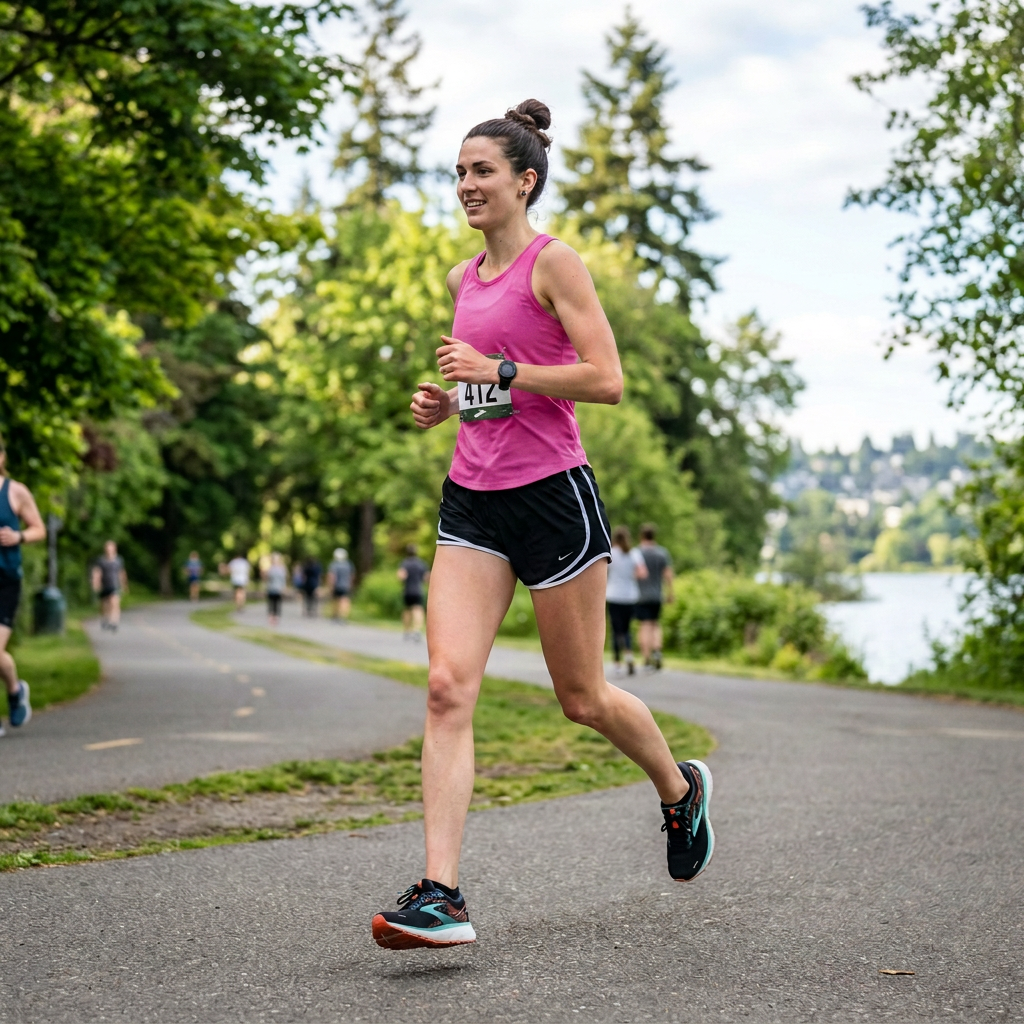
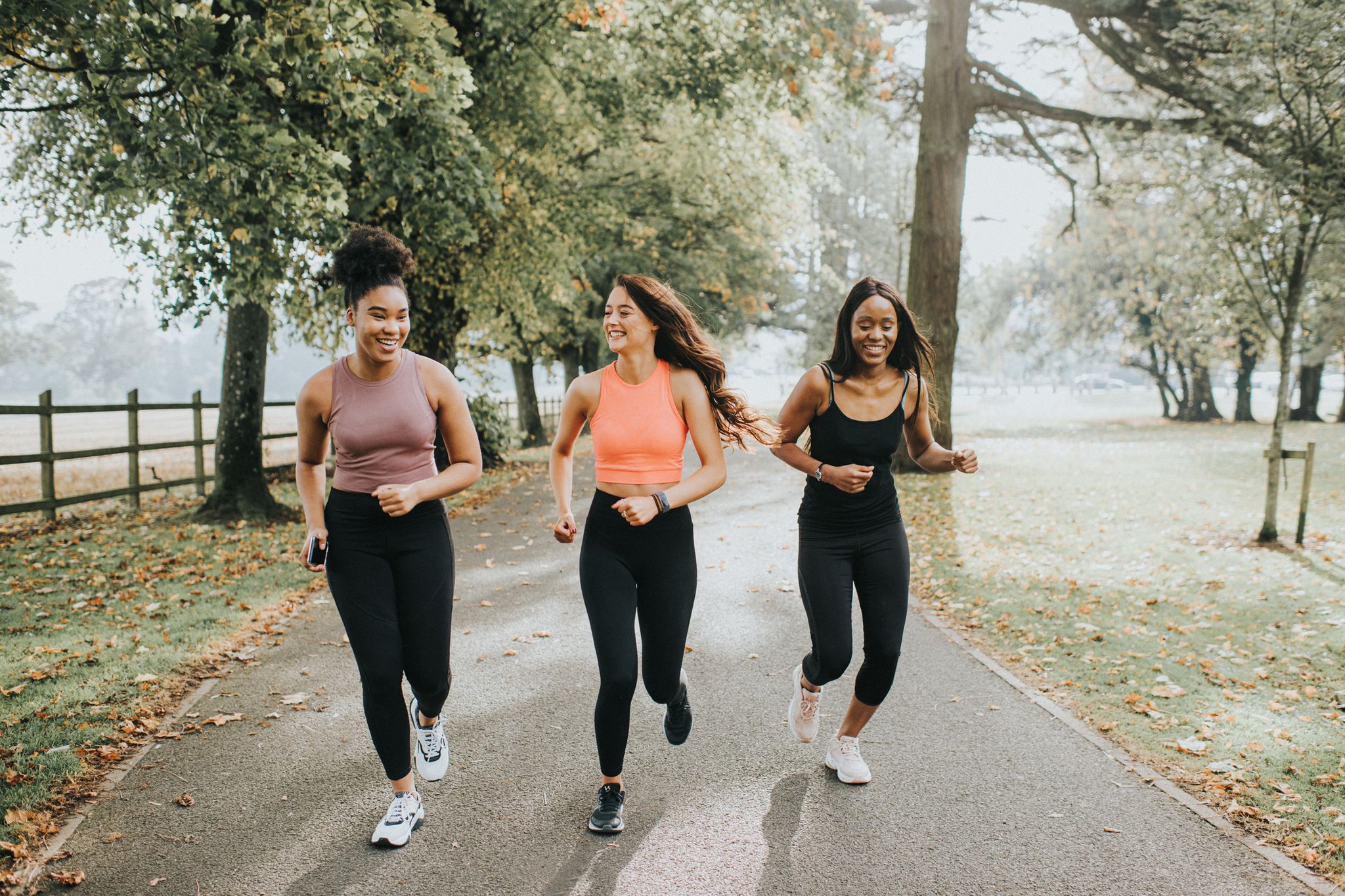
Running can do wonders for your strength, fitness, mental wellbeing and lifespan – and there’s no better time to start running than now
By Andy Dixon and Rachel BoswellUpdated: 05 June 2024
Occasions like Global Running Day and the London Marathon put a brilliant spotlight on the activity of running – but running isn’t just about single days. Instead, running is a sport, a hobby and a mental and physical release that everyone can enjoy and improve at. In other words, running can become a welcome, important and extremely beneficial part of your life.
If you’ve never run a step, here are 10 benefits of running that will inspire you to lace up those running shoes and get going today…
When you run, your whole physiology reaps the rewards of your movement. Here are just some parts of the body that feel the positive effects of those accumulated running steps.
Among other things, regular running helps to improve your respiratory function, lower your cholesterol, reduce your risk of diabetes and improve your heart health. In fact, according to leading cardiologist Dr Dan Augustine, ‘if you could put exercise into a pill, it would be better than most drugs that a doctor could give you’. That, in itself, is one mighty selling point for running.
The heart is like an engine. As you run, or do any form of endurance exercise, your heart must pump out more blood so it can deliver more oxygen to other muscles and organs in the body to keep them working effectively. In return, more blood must return to the heart so the cycle can continue. The more you run, the bigger and stronger your heart becomes, which means it can pump out more blood with each heartbeat. This, in turn, means that your heart can deliver the same amount of oxygen with fewer heartbeats, lowering your heart rate – and a lower heart rate is linked with more efficient heart function and better cardiovascular fitness.
The legs
Unsurprisingly, running is a lower limb-centric exercise that variously employs the four main leg muscle groups – quadriceps, calves, glutes and hamstrings – among other big muscles such as your hip flexors. As you run and repeatedly use these lower body muscles, you’ll gradually increase your muscle strength, build your speed and balance, reduce your risk of injury and improve your running economy. That amounts to many wins.
Sorry, naysayers! Despite popular legend, running won’t wreck your knees. Instead, it can actually strengthen your knees and other joints, with research from Stanford University in California finding that recreational runners showed less wear and tear on their joints than non-runners.
Various studies add evidence to the pile that running works wonders for your lifespan.
A recent study published in the International Journal of Environmental Research & Public Health has found that running for 75 minutes per week can add a solid 12 years to your life. Looking at 4,400 subjects, it compared those who ran at least 75 minutes a week with those who ran less than 10 minutes a week, showing that big rewards can come from a small, manageable amount of running.
Meanwhile, another study of 55,000 people concluded that running three times a week for an average of just 17 minutes at a time reduced the risk of fatal heart attack or stroke by 55%.
While running doesn’t cure cancer, plenty of research suggests that it can help to prevent it. A recent study published in Cancers (Basel) found that those who engaged in exercise had, for example, a 70% lower risk of developing colon cancer, around 30 to 40% less chance of developing breast cancer and an overall prostate cancer risk reduction ranging from 5% to 65%. It also concluded that exercise can also be used as ‘a complementary part of the medical treatment of cancer patients’.
Another study performed a genetic analysis of nearly 131,000 women from around the world, including nearly 70,000 who had been diagnosed with invasive breast cancer. It found that people who were likely to engage in ‘greater overall physical activity, greater vigorous activity, and lower sedentary time’ – based on their DNA – had a 41% lower risk of invasive breast cancer than those who were inactive. This means that physical activity such as running could help to safeguard your body against diseases such as this.
While the physical benefits of running are enormous, let’s not overlook the psychological ones.
Research in the Psychonomic Bulletin and Review posited ‘insurmountable’ evidence that regular exercise helps to curb age-related mental decline, with Frontiers in Aging Neuroscience also finding that adults over the age of 50 who take up aerobic exercise benefit from better cognitive function and improved blood flow in the brain.
What’s more, a separate study in the Journal of Alzheimer’s Disease found that those who ran 15.3 miles per week had a 40% lower risk of dying from Alzheimer’s disease than non-runners.
As such, the cognitive benefits of running are worth keeping in mind.
Ever felt more relaxed and energised after a run? If so, you aren’t alone, as running is repeatedly cited as an activity that helps to lift mental loads and reduce feelings of stress and anxiety.
A small study conducted by Asics measured the brain waves of participants before and after a 20-minute run, and found that even this relatively short bout of exercise led to a 58% reduction in levels of cognitive stress.
We all have different budgets and priorities when it comes to running, just like anything else.
While we can spend money on more premium running goods such as carbon plate running shoes, GPS running watches and compression boots for recovery should we want or be able to, it’s important to remember that running needn’t cost the earth. Strip things back to basics and all you really need to get started and feel the benefits of running is a pair of comfortable, supportive running shoes and good-fitting running kit that works with you as you move. As far as sports go, running is one of the most affordable you can choose to do.
Running is a great way to give yourself permission to do something just for you. As you log the miles you can listen to music, catch up on an audiobook or tune into your favourite podcast. Or, you could leave your phone at home, unplug yourself altogether and be mindful of your breathing and the sights and sounds around you.
Whether it’s to escape the kids or your inbox, or to simply catch some fresh air while you can, carving out time for a run helps to keep the balance of your life in check.
Talking of fresh air, going for a run really is an ideal reason to get outside and enjoy the therapeutic benefits of nature. One study published in Environmental Science & Technology found that people who exercised outdoors experienced increased energy levels and decreased feelings of depression, and were more likely to repeat their workouts.
Running in a natural environment is also good for boosting your levels of vitamin D – an all-important vitamin in which many Britons are deficient – so there’s no better reason to hit the trails or your local park for your next run.
Adaptable and flexible, running is the ultimate pursuit for personalisation – you can choose precisely how and when you want to approach it.
You can run solo or with others; purely for fun or to prepare for goal races; for 10 minutes or for two hours; first thing in the morning or as the final activity to wrap up your day. A special benefit of running is that it’s not a one-size-fits-all activity – instead, it’s one that you can slot into your life according to your own targets, preferences and schedule. It’s up to you.
When you go for a run, you can leave negativity at the door – studies have proven that running can enhance your mood and general sense of wellbeing.
One study, conducted by Glasgow Caledonian University, quizzed more than 8,000 parkrun regulars on their health and wellbeing. On average, they scored 4.4 out of 6 on the Oxford Happiness Questionnaire, which is above the average of score of 4 for the general population. Plus, 89% of parkrun participants said that running regularly made them feel happier and had a positive impact on their mental health – and that’s perhaps one of the best benefits of running you can get.


Once you’ve nailed the proper plank form, challenge yourself with these slight modifications—they’ll help you really tap into all the benefits you can get from spending that time on your hands and forearms.
Clasping your hands in a forearm plank makes the exercise feel easier—but that means you’re not maxing out the benefits. “It can also promote a rounded posture instead of a stable, upright one,” says O’Brien, and that’s the opposite of what you’re going for in this position. Instead, press your palms into the floor. “That will create more shoulder engagement and stability as a bonus.”
A straight arm plank is going to be more challenging, says O’Brien. “Dropping to the elbows can help you maintain proper form because it’s easier to hold,” she says. It’s a great option for someone who isn’t yet strong enough to maintain an engaged core and flat back (it also takes some of the work off of the shoulders, if that’s a problem area for you).
It’s tempting to grit your teeth as you hold the pose, but you want to inhale and exhale steadily throughout. “Breathing will help you consciously engage the transverse abdominis muscle,” says DuFlo. “If you see your belly doming or bulging outward along midline, it means you are likely not engaging this correctly or holding your breath.”
RELATED: 5 Strength Training Myths for Runners (and the Truth Behind Them)
If holding a plank for a minute or more is easy for you, place your palms, forearms, or feet on a pillow, BOSU ball, Swiss ball, or other unstable surface. “That can kick on the deeper core, the transverse abdominis, in a different way, and just add an additional challenge to your other muscles,” says DuFlo.
There are tons of ways to make a plank more challenging, in addition to targeting other muscles that will help your running form. Spider planks (bringing your knee to tap the same shoulder) and windshield wiper planks (where you extend one leg at a time out towards the hip) help with the hip rotator muscles, for example, while reverse planks activate the glutes and stretch the chest, says O’Brien. Just make sure you can maintain good form while doing these harder variations.
RELATED: I Completely Swear By This 3-Move Core-Strengthening Sequence
0





Down dog for real.
Published Aug 31, 2023
Sarah HerringtonFollow
High FiveShare
Photo: @maikeyoga
Heading out the door? Read this article on the new Outside+ app available now on iOS devices for members! Download the app.
Last Thursday night, I unrolled my yoga mat in my small New York City apartment, sunk my hips toward my heels in Child’s Pose, and heard it—the jangle of my poodle mix’s collar as she hopped off the sofa. It had been a long day, and I wanted to dim the city’s noise and find stillness in my practice. But my dog, Sukhi, had other plans.
Her paws hit the hardwood as she came at me from the other room while I took some slow breaths. By the time I was in Down Dog, there was a literal dog beneath me, rolling on her back in a blur of white fur. Sukhi always sparks joy in me, but tonight it was backlit with annoyance. I stepped over her to make my way to the top of the mat and she followed, romping near my toes. I moved through a Sun Salutation, trying to ignore her, but she was everywhere. I didn’t know how to find my balance or move my body with anything resembling grace when her furry body was intercepting all my intentions.
I finally gave in, thinking I’d incorporate Sukhi into my practice by dropping her a kiss on my way from Plank to Chaturanga. Instead she bounded at my face. If yoga was about connection to others, Sukhi was really going for it.
But what exactly is it about my yoga practice that draws her to me from whatever room she’s in?
Friends have also mentioned that as soon as they start to set up for yoga, their animal friends come running.
“My dog always comes over and tries to get belly rubs when I practice,” says Siri Newman, a Wyoming-based yoga teacher and practitioner.
“It’s mostly endearing,” says Lori Walker, a digital marketer and yoga practitioner, with a laugh. “Mostly.”
“My pets zoom underneath me at top speed if I’m in Down Dog!” says Kathryn Chaya Lubow, a Southern California therapist and yoga practitioner.
Many of us have seen videos on social media of pets inviting themselves onto the mat as their humans practice. One post of a cute Australian Shepard practicing alongside her human has had more than 90 thousand shares on Instagram. (Was that the key? Getting your dog their own mat?)
It’s almost uncanny. No matter where our pets are hiding, once yoga practice starts, they tend to wriggle themselves in our way. But why? And how do other practitioners handle the cute madness?
“I’m not aware of any specific studies to evaluate this pattern of behavior in a scientific context, but I think there are a few possible explanations,” says Christopher Pachel, a doctor of veterinary medicine and certified animal behavior consultant in Portland, Oregon, who also practices yoga.
“Many pets interpret their owner getting down on the floor as an invitation to play or to interact,” says Pachel. “And for humans who routinely practice yoga, it’s only going to take a few repetitions of ‘mat to yoga’ for most pets to figure out that the unrolling of the mat is a predictor of floor time activity.”
This helped me understand why setting up my mat and props brought Sukhi into the room from wherever she’d been hiding. It was almost as effective a way to get her to come to me as saying “treat!”
“Animals love to get involved with what you’re doing,” says Anthony Newman, dog behavior expert and founder of Calm Energy Dog Training. “They want to be included. And when you get on the ground, you’re getting on their ‘level,’ literally and figuratively. Being down low and moving in ways that are non-confrontational, inviting, and playful (including showing your belly) takes you out of a ‘leadership’ position. Around that, dogs feel more free.”
But it isn’t only the act of getting on the floor or unrolling a mat that draws animals to their person. Beyond the physicality of the practice of yoga, there seems to be something…more.
Adaptive yoga teacher and founder of online studio Auzho Audrey L practices on a chair, sofa or bed. Her pup, Ruby, still wants to be part of it. “The weirdest thing has to be when I’m on the sofa during meditation. She just sits at my feet and stares. And when I go to my practice chair she always finds me there,” says Audrey.
“Pets feel the shift in our energy,” says Olivia LaBarre, an animal communicator, Reiki practitioner, and pet loss bereavement specialist. “Our animal companions are very aware of our emotions, nervous system states, and overall energy, and they sense the shifts that happen when we begin a practice such as yoga.”
It seems a sense of ease and happiness in us is not only palpable to our pets but inviting. “I do suspect that some dogs and cats pick up on breathwork, calmer energy, a focused mindset that typically go along with a yoga practice,” says Pachel. “They then seek out interactions with their caregivers at those times based on the positive vibes.”
How interesting that the yoga practice—accessible and available to all—can be felt throughout the animal realm, not just by humans. Maybe I wasn’t imagining it when I had thought my happier yoga vibes could be drawing Sukhi to the mat.
If animals can sense our energy, maybe we can use the practice of yoga to connect in new ways with our animal friends. Just as they affect us, we affect them. We can use the breathing and gentle movements to help calm our pets as we calm ourselves.
I keep going back to that old adage: what you resist persists. Framed that way, I took a second look at my practices with Sukhi. Instead of trying to rigidly adhere to my routine or urge her off the mat, I started to expand what my idea of a home yoga practice could be and challenge myself to take in Sukhi’s presence in my practice, no matter how wildly she shows up. Rather than just step around the situation, I allow it to bring my focus back to me.
It’s a different experience than practicing in a quiet studio for sure, but it lights my heart now that I’ve opened to it. And it reminds me of aspects of the practice that I’d become disconnected from. Perhaps it’s a chance to be playful and to remind myself to take in the present moment and soften into it rather than hit a set number of Warrior poses. In the play is something profound.
When I adopted Sukhi from a Los Angeles shelter, she went without a name for two weeks. The staff had called her “Heidi,” but that didn’t seem to fit her. I wasn’t sure what name would until my favorite Sanskrit teacher suggested Sukhi, related to sukha, which translates to “happiness” and “ease.” Maybe that’s exactly what we’re intended to experience when we share our practice.
About Our Contributor
Sarah Herrington is a writer, poet, and teacher. She is the founder of OM Schooled kids yoga teacher trainings and Mindful Writing Workshops.
High Five
Follow
Sarah Herrington is a writer and teacher. She is the founder of OM Schooled kids yoga teacher trainings and the Mindful Writing Workshop. Her work has appeared in New York Times, Los Angeles Times, Poets & Writers Magazine, and more.
Where Do You Place Your Yoga Mat in Class? It May Say a Lot About You.
This Is the Most Popular Yoga Practice on YouTube
20 Ways to Change Up Your Down Dog
9 Yoga Poses For When You Need a Fresh Start
Ah the hour-long yoga class. It’s quite luxurious, isn’t it? But let’s be frank—some days, it seems impossible to carve out a large chunk of time for your practice. If you ever feel this way (and who hasn’t?) know this: even a few minutes of movement can make a huge difference in how you approach … Continued
Build a Stronger Bow Pose With This Prop-Supported SequenceIf You Have a Hard Time Sitting Still, This Flow Is for YouGot Back Pain? These Tips Will Help You Twist Your Way to Relief
Join Outside+ to get access to exclusive sequences and other members-only content, and more than 8,000 healthy recipes.Learn More
Get inspired with adventure reads, dream up your next trip with travel advice, and navigate offline with Gaia GPS Premium.Join NowSign In
ContactCareersDigital ArchivesGear Up Give BackLicensing & AccoladesSitemap
© 2025 Outside Interactive, Inc.Terms of UsePrivacy PolicyManage Cookie Preferences