Ditching Alcohol Can Give You a Performance Edge. An Expert Explains When to Cut Booze Ahead of Race Day

A Sports Cardiologist Explains When—and Why—to Cut Out Alcohol So You Can Run Stronger on Race Day

Waiting until you cross the finish line to toast with your running buddies can set you up for better sleep, more energy, and faster splits.

By Morgan PetrunyMallory Creveling, CPTPublished: Sep 07, 2026 2:56 PM EDT

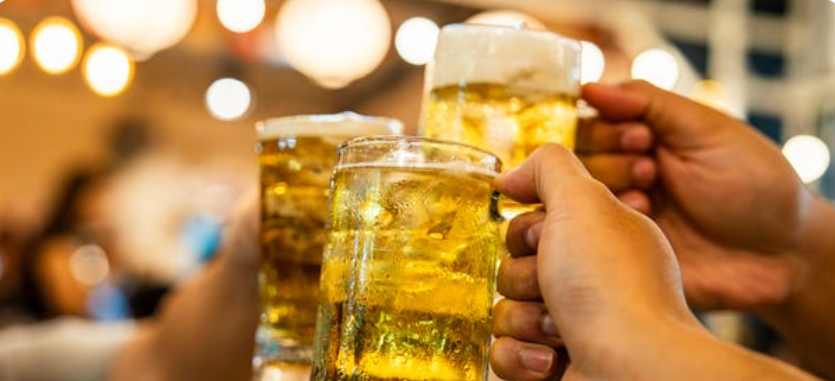
Whether you’re racing the mile or the marathon, dozens of factors can influence how you perform on race day. One thing that almost certainly won’t help you clock a faster finish: alcohol.

To understand how drinking can affect your training and running performance, we spoke with Tamanna Singh, MD, director of Cleveland Clinic’s Sports Cardiology Center and codirector of its Women’s Integrated Sports, Exercise, and Research (WISER) Center, RRCA-certified run coach, and marathoner.

Singh explains exactly why and when you’ll want to cut out booze as you prepare for a race, so you show up on the starting line ready to run your best. You’ll also learn how alcohol affects two essential tools for recovering well and racing strong.

Video poster

When Should You Cut Out Alcohol Before a Race?

According to Singh, there’s no hard cutoff for when you need to stop drinking before a race. That said, she explains that there are specific times during your training cycle when alcohol can be especially detrimental to your performance.

“If you’re following a 12- to 16-week training cycle for a marathon, lay off the alcohol from about weeks six to nine, or nine to 12 [respectively],” she says.

Those three to four weeks just before your taper, when you’re hitting those 18- to 20-mile long runs, are when you really want to be prioritizing your recovery, Singh explains. That includes getting high-quality sleep, adequate hydration, and ensuring good heart-rate recovery and variability—all things that alcohol can significantly impair.

Most runners will usually taper for about two to three weeks before their race, Singh adds, and that’s also a time you’ll want to avoid booze. “During that time, you really want to have a good reset for your body so it can focus on muscle repair, synthesis, and recovery,” she says. Because alcohol affects all those factors, many people won’t drink during that time—and plenty of athletes just don’t drink at all during their entire training cycle. This allows you to train hard, recover well, and show up fresh and ready to race!

How Does Alcohol Affect Your Energy?

The days leading up to your race are a key time to focus on getting enough carbohydrates, fluids, and electrolytes. Doing so helps prime your body to hit that starting line strong, explains Singh. Physiologically, having a beer during this time can interfere with your efforts to stay adequately fueled and hydrated.

“Alcohol is metabolized by the liver, and essentially the liver is the organ that’s responsible for getting rid of all of the body’s toxins,” Singh says. When you drink, the liver needs to clear that alcohol first, which requires your body to use glucose. The problem is that you also need that glucose for energy to run well and hit your goal race paces.

“If you have alcohol in your system, your liver is going to prioritize breaking down that alcohol instead of providing glucose for you to utilize for energy,” Singh says. With less glucose available to fuel your working muscles, maintaining your usual pace can feel noticeably harder.

So, instead of having a drink in the days or weeks leading up to your race and risking more fatigue than you want on your big day, wait until you cross the finish line to celebrate with a postrace beverage, Singh says.

How Does Alcohol Affect Recovery?

Booze can also wreak havoc on your sleep, which many experts consider the single most powerful tool runners have to improve their recovery.

“Alcohol impairs the ability for the body’s muscles to repair, synthesize, and recover while we sleep,” Singh says. “It actually inhibits growth hormone, which is responsible for all of that muscle recovery.”

Not only does alcohol lower your sleep quality, but it can also cause insomnia for some individuals, which can mean sleep quantity suffers, too. In order to perform well day after day in training, you really need both good sleep quality and adequate sleep quantity, adds Singh, or you won’t be able to perform.

Even one night of poor sleep can affect your running the next day. In a study published in Physiology & Behavior, researchers asked 20 runners to complete a 12-minute, self-paced time trial after getting eight hours of sleep and again after getting just four hours. After the night of less shuteye, the runners covered 6 percent less distance and reported a higher rate of perceived exertion, more fatigue, and worse overall mood.

Finally, alcohol can also lower your heart rate variability (HRV). HRV reflects the balance and activity of your sympathetic (“fight or flight”) and parasympathetic (“rest and digest”) nervous systems as your body responds to changing demands throughout the day. A higher HRV generally indicates that those systems are well-regulated, which can signal better recovery and cardiovascular fitness, Singh explains.

All things considered, alcohol delivers a harsh double whammy to your running recovery and your overall fitness. When you’re preparing for a race, it can be a huge benefit to eliminate booze from your training plan entirely. You might just find yourself crossing the finish line a little faster and stronger—which will make that postrace toast with your running buddies all the sweeter.

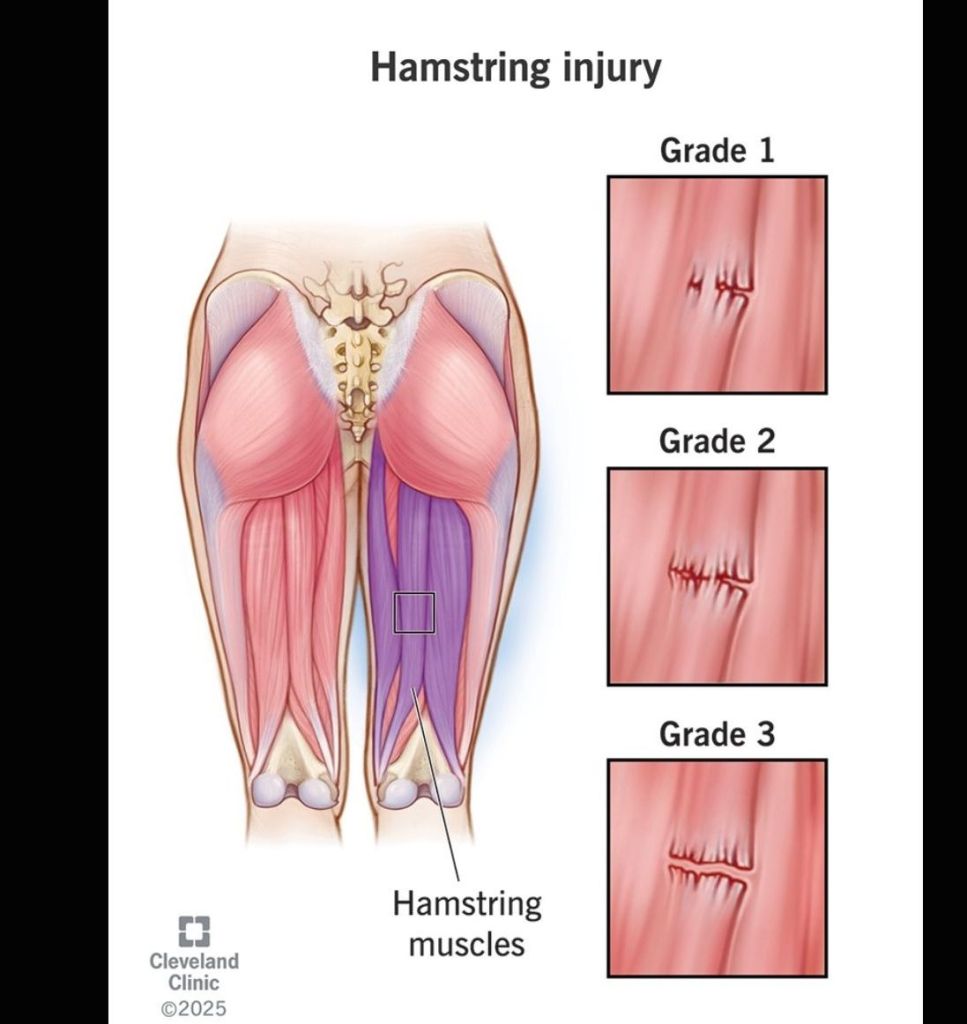
Care for your hammies 🐽

Athletes and people who sprint, climb, jump or lunge are at a higher risk of a painful hamstring injury. Suddenly increasing your physical activity level is one of the most common causes of hamstring injuries. You’ll have a higher chance of injuring your hamstrings if you:

  • Exert yourself much more than usual
  • Have low flexibility and don’t stretch or warm up
  • Ramp up your workout or training routine too quickly
  • Start a new sport without the right training or equipment

Try to increase your physical activity gradually. Increase how much you’re lifting, running or training over time as you build up your strength and flexibility.

Hamstring injuries are very common. But they still hurt, and it can be annoying to take a break from practice or training. It’s frustrating to spend time away from your favorite activities, but give your body the time it needs to heal. Don’t push yourself before your healthcare provider gives you the green light.

Once your pulled hamstring has recovered, you should be able to resume all your usual activities. Talk to your provider or physical therapist about stretches and exercises that can strengthen your hamstrings and increase your flexibility. This can help you move better and avoid another injury in the future.

How to fit in your work out at home – Katie Lawton MEd @ClevelandClinic #consistency

cleveland work out at home

Whether you’re a fitness fanatic or casual gym goer, the thought of picking up a dumbbell covered in germs is enough to make anyone cringe. And with the spread of coronavirus (COVID-19) becoming more prominent every day, gyms and fitness centers across the country are closing their doors to help protect members.

If staying active is an important part of your life (as it should be!) you might be wondering how you’re supposed to go about this whole at-home workout thing. Thankfully, it’s easier than you think.

“A lot of what you’ll find with at-home workouts is about maintaining your current level of fitness,” explains exercise physiologist Katie Lawton. “And with workouts, consistency is key.”

Here Lawton shares some practical advice about how to stay active at home.

  1. Find workouts through online videos and apps. The internet is choked full of free workout videos. From yoga, to Zumba, to circuit training that you can do in your backyard. Test out a few workouts to find a series, program or instructor that you like. (Bonus points if you can get other members of your household to join you!)
  2. Walk, run or bike outside. Everyone could use a little fresh air. Hit the pavement in your neighborhood and challenge yourself to walk, run or bike a certain number of minutes or miles. If you’re an experienced fitness buff and you’re really looking to ramp up your heart rate, opt for hills or try a running based HIIT workout.
  3. Focus on body weight movements. Now’s the time to incorporate body weight exercises into your workouts. These tried and true movements include things like pushups, squats, lunges, planks and burpees. They’re convenient, efficient and inexpensive (AKA free). Pick a few different movements and create a circuit workout by completing as many reps of that one movement as possible in one minute. Then rest for a minute and continue on to the next movement and do the same thing. Repeat this for 15 to 20 minutes.
  4. Order inexpensive fitness equipment online. Things like jump ropes, pull up bars that attach to door frames, suspension trainers and resistance bands are inexpensive items that can pack a punch when it comes to your workouts. Lawton recommends choosing a heavier resistance band and suggests tying the suspension trainer to a tree outside. You could also ask around if other family members or neighbors have old dumbbells or barbells that they no longer use.
  5. Utilize items around your house. Lawton encourages creativity when it comes to working out at home. Run up and down your basement stairs, use a chair for triceps dips or grab cans of soup or a gallon of water as a weight. Even jumping over a shoebox a few times can be a quick burst of cardio.
  6. Get your household involved. If you have kids, chances are they have more energy to burn off than you know what to do with and they’d be thrilled to be involved. Try to incorporate them into your plans to stay active – whether it’s encouraging them to do pushups with you or organizing a backyard obstacle course. Try to walk your dog every day, play tag with your kids or get your whole family involved in a backyard soccer game. Also never underestimate the power of a good dance party! It’s a great way to make memories with your family and burn off some stress and anxiety.
Linkedin Pinterest

Sports nutrition isn’t just about protein shakes. A dietitian breaks down how hydration, timing and balance impact results. @ClevelandClinic

What Athletes Need To Know About Sports Nutrition

Having a well-rounded, healthy nutrition plan is just as important as staying consistent with your exercise routine

When you’re an athlete racking up miles and muscle, your body needs extra fuel to keep up with the amount of exercise you’re doing and help speed up recovery. That’s what makes sports nutrition so important — it offers you a path to making sure you’re getting all the nutrients you need, even as you sweat.

Sports and nutrition

For the most part, athletes will eat higher quantities of food more often than non-athletes because food is equivalent to energy. But that isn’t always the case, and some meal plans may work better for you than for someone else.

“Everyone’s body is very different, so it’s really important that we specialize individualized nutrition plans,” says registered dietitian Carly Sedlacek, RD, LD.

Bringing your physical fitness goals to a dietitian can help provide you with a holistic, balanced and personalized approach to eating healthy beyond simply counting calories. If you’re trying to build muscle, for example, your goals for nutrition will likely be different from someone who’s trying to lose weight.

Overall, when sports nutrition is combined with consistent exercise, it can boost your performance and help you feel great, even on rest days. Regardless of your goals, the following areas of sports nutrition can help.

Hydration

When you exercise, you lose a lot of water and electrolytes through sweating. Drinking enough water before a training session and throughout a workout can help replenish what’s lost.

At minimum, you should drink about 16 ounces of water two to three hours before exercise, and about 4 ounces every 15 to 20 minutes while exercising. It’s also important to make sure you’re drinking plenty of water throughout the entire day.

Sometimes, athletes prefer to use sports drinks after exercising because they’re packed with electrolytes to replace what was lost in sweat. “Electrolyte beverages should be used during activities lasting longer than 60 minutes,” says Sedlacek. “If you have a history of chronic disease or conditions, check with your doctor before including higher sodium beverages.”

Carbohydrates

Carbohydrates are your body’s main source of energy. While carbs are not the only food you should focus on, they should be something you consider as part of every meal, especially in the hours leading up to a workout or training session.

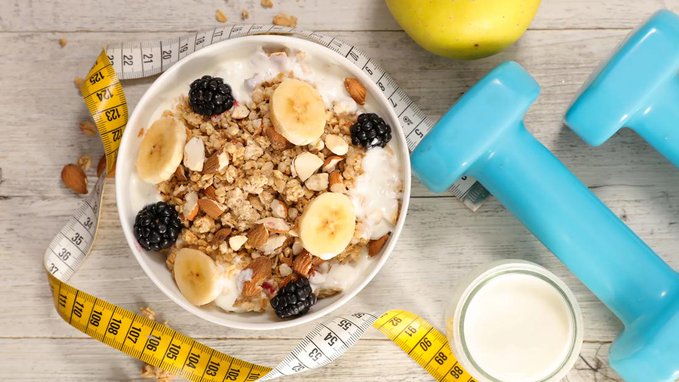
“Before exercising, you want to stick with foods that tend to digest easily, including some carbohydrate sources like fruits (bananas, apples or oranges), oatmeal or rice,” advises Sedlacek. “If you’re doing a longer workout routine that’s more than an hour long, you’ll want carbohydrates during that time to get that boost of quick-acting energy.”

Protein

Protein is the building block for your muscles. Without it, muscle recovery slows, along with your ability to build muscle mass. In general, you should try and get most of your protein from whole food sources like:

  • Salmon and other fish
  • Eggs and egg whites
  • Greek yogurt
  • Beans and legumes
  • Chicken
  • Tofu
  • Low-fat cheeses

But when you’re short on time, you can turn to protein powders or protein shakes between meals, in addition to having some protein at every meal.

“Protein helps with muscle recovery,” shares Sedlacek. “Getting at least 25 to 35 grams of protein right after exercise is helpful because that’s when your body prefers to use it.”

Fats

In general, having a healthy, well-rounded diet that incorporates an abundance of fruits, vegetables and plant- or animal-based sources of protein is key. That means healthy fats (like olive oil, avocado and fatty fish) also play a role as a secondary source of energy. Not only do they fill you up faster, but they also help your body better process other micronutrients, like fat-soluble vitamins.

Supplements

When it comes to supplements (like protein powders or pre-workout beverages), you want to use them sparingly. As you’re consuming more than the general population to keep up with your level of athleticism, supplements should be used to fill in a gap and not as a meal replacement.

“We want to try and stick to a food-first approach the best we can because the body is able to utilize those sources a little bit better than supplements,” explains Sedlacek.

Timing

When it comes to meals and snacks, timing is everything. You should try to aim for three spaced-out meals a day with snacks in between each meal. When it comes to exercise, you’ll want to have something small to eat (usually carbs or protein) at least an hour or two before exercising and immediately after a workout.

“It’s important to be consistent,” states Sedlacek. “If we’re going into an exercise and we don’t have enough energy to pull from, our body can end up pulling energy from our muscles. So, it’s important to have something small to eat before working out.”

Next steps

Sports nutrition can require a lot of fine-tuning, especially when you’re just getting started. Working with a dietitian and a physical fitness trainer can help get you the support you need for your specific situation.

And if at any point you feel lightheaded, dizzy or even experience hunger pangs, it might be a result of not eating enough or having enough water to keep up with the physical demands of exercise. In those cases, trying to level out your blood sugars and electrolytes is important, as well as seeing a healthcare provider if issues continue.


Sports nutrition isn’t just about protein shakes. A dietitian breaks down how hydration, timing and balance impact results. @ClevelandClinic

What Athletes Need To Know About Sports Nutrition

Having a well-rounded, healthy nutrition plan is just as important as staying consistent with your exercise routine

When you’re an athlete racking up miles and muscle, your body needs extra fuel to keep up with the amount of exercise you’re doing and help speed up recovery. That’s what makes sports nutrition so important — it offers you a path to making sure you’re getting all the nutrients you need, even as you sweat.

Sports and nutrition

For the most part, athletes will eat higher quantities of food more often than non-athletes because food is equivalent to energy. But that isn’t always the case, and some meal plans may work better for you than for someone else.

“Everyone’s body is very different, so it’s really important that we specialize individualized nutrition plans,” says registered dietitian Carly Sedlacek, RD, LD.

Bringing your physical fitness goals to a dietitian can help provide you with a holistic, balanced and personalized approach to eating healthy beyond simply counting calories. If you’re trying to build muscle, for example, your goals for nutrition will likely be different from someone who’s trying to lose weight.

Overall, when sports nutrition is combined with consistent exercise, it can boost your performance and help you feel great, even on rest days. Regardless of your goals, the following areas of sports nutrition can help.

Hydration

When you exercise, you lose a lot of water and electrolytes through sweating. Drinking enough water before a training session and throughout a workout can help replenish what’s lost.

At minimum, you should drink about 16 ounces of water two to three hours before exercise, and about 4 ounces every 15 to 20 minutes while exercising. It’s also important to make sure you’re drinking plenty of water throughout the entire day.

Sometimes, athletes prefer to use sports drinks after exercising because they’re packed with electrolytes to replace what was lost in sweat. “Electrolyte beverages should be used during activities lasting longer than 60 minutes,” says Sedlacek. “If you have a history of chronic disease or conditions, check with your doctor before including higher sodium beverages.”

Carbohydrates

Carbohydrates are your body’s main source of energy. While carbs are not the only food you should focus on, they should be something you consider as part of every meal, especially in the hours leading up to a workout or training session.

“Before exercising, you want to stick with foods that tend to digest easily, including some carbohydrate sources like fruits (bananas, apples or oranges), oatmeal or rice,” advises Sedlacek. “If you’re doing a longer workout routine that’s more than an hour long, you’ll want carbohydrates during that time to get that boost of quick-acting energy.”

Protein

Protein is the building block for your muscles. Without it, muscle recovery slows, along with your ability to build muscle mass. In general, you should try and get most of your protein from whole food sources like:

  • Salmon and other fish
  • Eggs and egg whites
  • Greek yogurt
  • Beans and legumes
  • Chicken
  • Tofu
  • Low-fat cheeses

But when you’re short on time, you can turn to protein powders or protein shakes between meals, in addition to having some protein at every meal.

“Protein helps with muscle recovery,” shares Sedlacek. “Getting at least 25 to 35 grams of protein right after exercise is helpful because that’s when your body prefers to use it.”

Fats

In general, having a healthy, well-rounded diet that incorporates an abundance of fruits, vegetables and plant- or animal-based sources of protein is key. That means healthy fats (like olive oil, avocado and fatty fish) also play a role as a secondary source of energy. Not only do they fill you up faster, but they also help your body better process other micronutrients, like fat-soluble vitamins.

Supplements

When it comes to supplements (like protein powders or pre-workout beverages), you want to use them sparingly. As you’re consuming more than the general population to keep up with your level of athleticism, supplements should be used to fill in a gap and not as a meal replacement.

“We want to try and stick to a food-first approach the best we can because the body is able to utilize those sources a little bit better than supplements,” explains Sedlacek.

Timing

When it comes to meals and snacks, timing is everything. You should try to aim for three spaced-out meals a day with snacks in between each meal. When it comes to exercise, you’ll want to have something small to eat (usually carbs or protein) at least an hour or two before exercising and immediately after a workout.

“It’s important to be consistent,” states Sedlacek. “If we’re going into an exercise and we don’t have enough energy to pull from, our body can end up pulling energy from our muscles. So, it’s important to have something small to eat before working out.”

Next steps

Sports nutrition can require a lot of fine-tuning, especially when you’re just getting started. Working with a dietitian and a physical fitness trainer can help get you the support you need for your specific situation.

And if at any point you feel lightheaded, dizzy or even experience hunger pangs, it might be a result of not eating enough or having enough water to keep up with the physical demands of exercise. In those cases, trying to level out your blood sugars and electrolytes is important, as well as seeing a healthcare provider if issues continue.