
Runner’s World
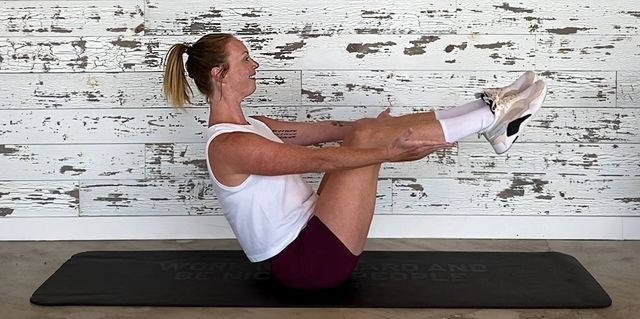
Build Flexibility and Mobility in 17 Minutes With This Yoga-Inspired Core Workout
These moves will increase flexibility and move your body in a way that compliments what you do on a run.
runnersworld.com
Health & Wellbeing

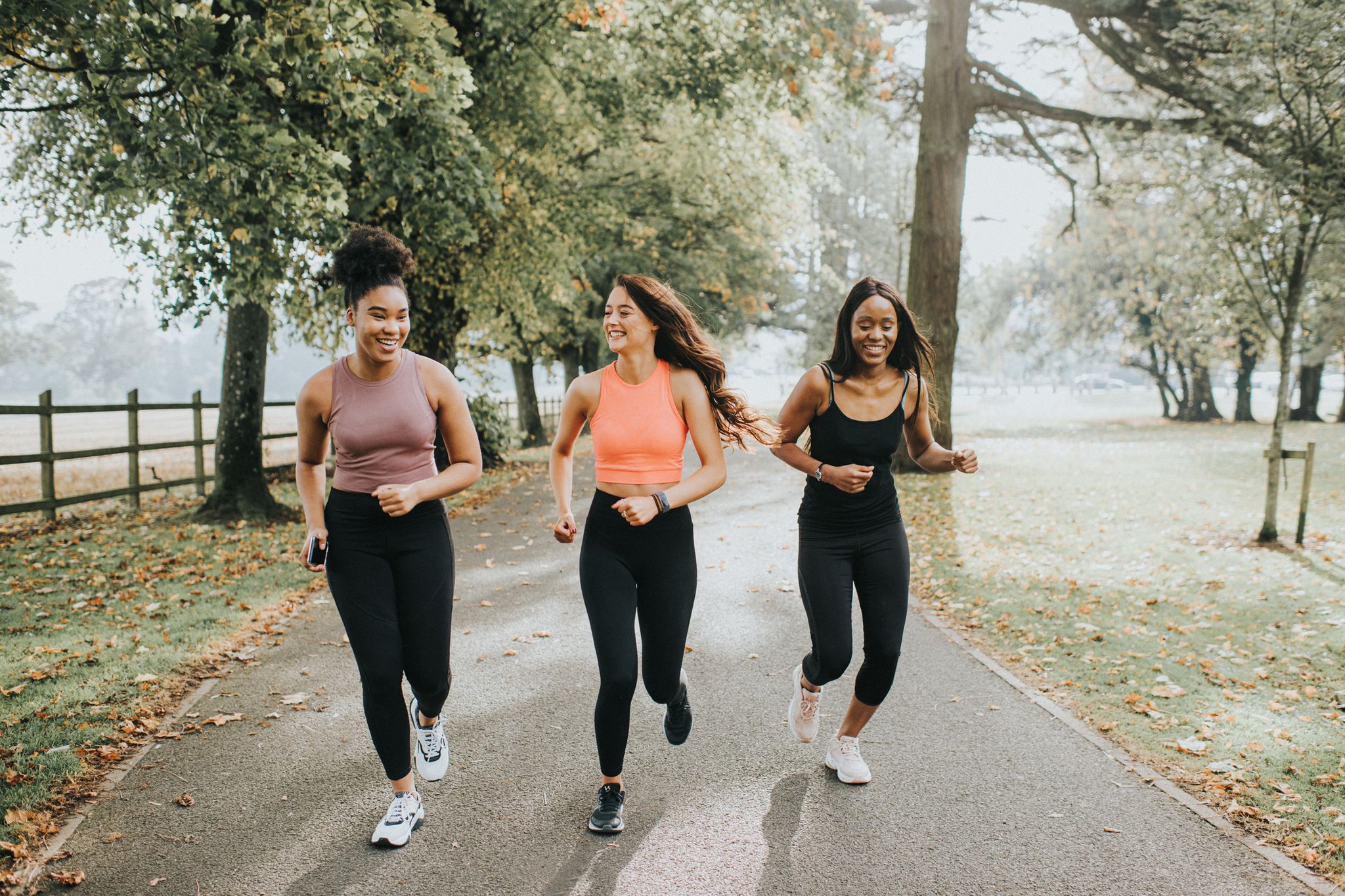
Running can do wonders for your strength, fitness, mental wellbeing and lifespan – and there’s no better time to start running than nowBy Andy Dixon and Rachel BoswellUpdated: 05 June 2024
Occasions like Global Running Day and the London Marathon put a brilliant spotlight on the activity of running – but running isn’t just about single days. Instead, running is a sport, a hobby and a mental and physical release that everyone can enjoy and improve at. In other words, running can become a welcome, important and extremely beneficial part of your life.
If you’ve never run a step, here are 10 benefits of running that will inspire you to lace up those running shoes and get going today…
When you run, your whole physiology reaps the rewards of your movement. Here are just some parts of the body that feel the positive effects of those accumulated running steps.
Among other things, regular running helps to improve your respiratory function, lower your cholesterol, reduce your risk of diabetes and improve your heart health. In fact, according to leading cardiologist Dr Dan Augustine, ‘if you could put exercise into a pill, it would be better than most drugs that a doctor could give you’. That, in itself, is one mighty selling point for running.
The heart is like an engine. As you run, or do any form of endurance exercise, your heart must pump out more blood so it can deliver more oxygen to other muscles and organs in the body to keep them working effectively. In return, more blood must return to the heart so the cycle can continue. The more you run, the bigger and stronger your heart becomes, which means it can pump out more blood with each heartbeat. This, in turn, means that your heart can deliver the same amount of oxygen with fewer heartbeats, lowering your heart rate – and a lower heart rate is linked with more efficient heart function and better cardiovascular fitness.
The legs
Unsurprisingly, running is a lower limb-centric exercise that variously employs the four main leg muscle groups – quadriceps, calves, glutes and hamstrings – among other big muscles such as your hip flexors. As you run and repeatedly use these lower body muscles, you’ll gradually increase your muscle strength, build your speed and balance, reduce your risk of injury and improve your running economy. That amounts to many wins.
Sorry, naysayers! Despite popular legend, running won’t wreck your knees. Instead, it can actually strengthen your knees and other joints, with research from Stanford University in California finding that recreational runners showed less wear and tear on their joints than non-runners.
Various studies add evidence to the pile that running works wonders for your lifespan.
A recent study published in the International Journal of Environmental Research & Public Health has found that running for 75 minutes per week can add a solid 12 years to your life. Looking at 4,400 subjects, it compared those who ran at least 75 minutes a week with those who ran less than 10 minutes a week, showing that big rewards can come from a small, manageable amount of running.
Meanwhile, another study of 55,000 people concluded that running three times a week for an average of just 17 minutes at a time reduced the risk of fatal heart attack or stroke by 55%.
While running doesn’t cure cancer, plenty of research suggests that it can help to prevent it. A recent study published in Cancers (Basel) found that those who engaged in exercise had, for example, a 70% lower risk of developing colon cancer, around 30 to 40% less chance of developing breast cancer and an overall prostate cancer risk reduction ranging from 5% to 65%. It also concluded that exercise can also be used as ‘a complementary part of the medical treatment of cancer patients’.
Another study performed a genetic analysis of nearly 131,000 women from around the world, including nearly 70,000 who had been diagnosed with invasive breast cancer. It found that people who were likely to engage in ‘greater overall physical activity, greater vigorous activity, and lower sedentary time’ – based on their DNA – had a 41% lower risk of invasive breast cancer than those who were inactive. This means that physical activity such as running could help to safeguard your body against diseases such as this.
While the physical benefits of running are enormous, let’s not overlook the psychological ones.
Research in the Psychonomic Bulletin and Review posited ‘insurmountable’ evidence that regular exercise helps to curb age-related mental decline, with Frontiers in Aging Neuroscience also finding that adults over the age of 50 who take up aerobic exercise benefit from better cognitive function and improved blood flow in the brain.
What’s more, a separate study in the Journal of Alzheimer’s Disease found that those who ran 15.3 miles per week had a 40% lower risk of dying from Alzheimer’s disease than non-runners.
As such, the cognitive benefits of running are worth keeping in mind.
Ever felt more relaxed and energised after a run? If so, you aren’t alone, as running is repeatedly cited as an activity that helps to lift mental loads and reduce feelings of stress and anxiety.
A small study conducted by Asics measured the brain waves of participants before and after a 20-minute run, and found that even this relatively short bout of exercise led to a 58% reduction in levels of cognitive stress.
We all have different budgets and priorities when it comes to running, just like anything else.
While we can spend money on more premium running goods such as carbon plate running shoes, GPS running watches and compression boots for recovery should we want or be able to, it’s important to remember that running needn’t cost the earth. Strip things back to basics and all you really need to get started and feel the benefits of running is a pair of comfortable, supportive running shoes and good-fitting running kit that works with you as you move. As far as sports go, running is one of the most affordable you can choose to do.
Running is a great way to give yourself permission to do something just for you. As you log the miles you can listen to music, catch up on an audiobook or tune into your favourite podcast. Or, you could leave your phone at home, unplug yourself altogether and be mindful of your breathing and the sights and sounds around you.
Whether it’s to escape the kids or your inbox, or to simply catch some fresh air while you can, carving out time for a run helps to keep the balance of your life in check.
Talking of fresh air, going for a run really is an ideal reason to get outside and enjoy the therapeutic benefits of nature. One study published in Environmental Science & Technology found that people who exercised outdoors experienced increased energy levels and decreased feelings of depression, and were more likely to repeat their workouts.
Running in a natural environment is also good for boosting your levels of vitamin D – an all-important vitamin in which many Britons are deficient – so there’s no better reason to hit the trails or your local park for your next run.
Adaptable and flexible, running is the ultimate pursuit for personalisation – you can choose precisely how and when you want to approach it.
You can run solo or with others; purely for fun or to prepare for goal races; for 10 minutes or for two hours; first thing in the morning or as the final activity to wrap up your day. A special benefit of running is that it’s not a one-size-fits-all activity – instead, it’s one that you can slot into your life according to your own targets, preferences and schedule. It’s up to you.
When you go for a run, you can leave negativity at the door – studies have proven that running can enhance your mood and general sense of wellbeing.
One study, conducted by Glasgow Caledonian University, quizzed more than 8,000 parkrun regulars on their health and wellbeing. On average, they scored 4.4 out of 6 on the Oxford Happiness Questionnaire, which is above the average of score of 4 for the general population. Plus, 89% of parkrun participants said that running regularly made them feel happier and had a positive impact on their mental health – and that’s perhaps one of the best benefits of running you can get.
Runner’s WorldVerified account @runnersworld
Training hard? Don’t skimp on sleep. Here’s why: http://spr.ly/60178CvuZ ā

Answers to your most frequently asked questions as the virus continues to spread.

This is a rapidly developing situation. For the most up-to-date information, check resources like the Centers for Disease Control and Prevention (CDC) and World Health Organization (WHO) regularly. This story will be updated as new information becomes available.
While the coronavirus pandemic continues to spread, causing running races—and many other large events—to be postponed and canceled, you might be wondering what you should do for your own personal health and how this could affect your training.
Yes—in fact, it’s safer to be outside than inside when it comes to disease transmission. When people congregate together and someone sneezes or coughs, droplets get onto objects that people touch, and then people touch their face, Nieman explains. The best plan for running right now is to go out for a solo run and enjoy the outdoors.
Additionally, people might be afraid to run in the colder weather for fear of illness, but that’s not true; there is no data that you will get sick from really any respiratory pathogen when running in cold weather, Nieman says.
Getting in 30 to 60 minutes of moderate to brisk activity can help your immune system keep viruses at bay. Be sure you know what’s going on in your area and if there are any restrictions or mandatory self-quarantines. And, if you’re sick or at-risk of spreading the virus, you shouldn’t go out—the bigger concern is spreading it to those who are at high risk, such as the elderly or immunocompromised.
During a self quarantine, Nieman suggests doing some exercise while staying where you are quarantined to keep healthy—doing bodyweight exercises or running on an at-home treadmill are great ways to do this. Unless you’re sick.
“If you do have flu or coronavirus, or have fever, sick people think wrongly they can ‘exercise the virus out of the system’ or ‘sweat it out,’ that’s a myth. It’s actually the opposite,” Neiman says.
Effective March 19, residents of the state of California were ordered to shelter in place until further notice, meaning everyone is to stay inside their homes and away from others as much as possible. However, as outlined in the directive first put in place in San Francisco, this allows for people to go outside and engage in solo outdoor activity, such as running, walking, and hiking, as long as people practice safe social distancing (stay six feet apart) and do not gather in groups.
And, according to a press conference, New York City may soon follow suit.
Overall, be sure to check your local public health recommendations and the current health mandates in your area, found on your state and local government website before heading anywhere for a workout. (You can find a directory of state health departments here.)
Your exposure to sick people running outside should be minimal, as someone who has a fever and a cough won’t feel like going for a run, Labus says. As of March 15, the CDC recommends that for the next 8 weeks, in-person events that consist of 50 people or more are canceled or postponed. And, the President’s Coronavirus Guidelines for America suggest that people avoid social gatherings of over 10 people for the next 15 days to help slow the spread.
If you find yourself in a group or on a crowded route, you could protect yourself a bit by spreading out (6 feet apart is the recommendation for safe social distancing) and avoiding unnecessary hand-touching. And of course, don’t forget to wash your hands when you get back.
The latest data with the novel coronavirus is that it does not last very long on objects outside because of the exposure to sunlight. In general, objects outside should have little virus on them, Nieman explained. However, there could be a problem if someone coughs into his or her hand immediately before touching a traffic button, and then you touch the traffic button after them. If you must touch the traffic button, do not touch your face after. Even better? Use a glove (then avoid touching your face), sleeve, or elbow.
According to the CDC, transmission of the coronavirus happens between people who are in close contact with one another (about six feet) and through respiratory droplets, produced through a cough or sneeze—not sweat.
This is one thing we don’t fully understand yet about coronavirus. You are probably contagious right before you begin to show symptoms, but we don’t know for what time period and we don’t know how contagious. It makes sense that you would be more contagious once you are coughing, but we don’t fully understand transmission yet, Labus says.
Social distancing is the answer right now, Nieman says. Experts are still trying to figure out how long the virus lives on objects, and the problem is that it appears to be highly contagious, spread easily by coughing and sneezing, and can be spread by people who don’t think they’re sick. That’s why hand-washing and not touching your face are so important.
As you deplete your stores of glycogen, your immune system does not function as well as it normally does. That means in the hours following a half marathon or marathon, if you have been exposed to someone who has been sick with the flu or coronavirus, your bodies defenses are down, Neiman says. Additionally, mental or physical stress—caused by running a marathon or a very hard workout—could slightly increase your chances of becoming ill, Labus explains.
“I would caution runners to avoid long, intense runs right now until we get through all this and just to kind of keep things under control,” Nieman says. “Don’t overdo it. Be worried more about health than fitness.”
However, that doesn’t mean you need to quit running or exercising altogether. There is a very strong connection between regular exercise and a strong immune system in the first place, so the long-term immune system benefits of running far outweigh any short-term concerns, Labus says.
Many cities and states around the country are taking extra measures to help prevent the spread of coronavirus. Gyms across the country like Barry’s Bootcamp, Mile High Run Club, and WORK Training Studio are temporarily closing out of an abundance of caution. Gyms (and other nonessential businesses) in states including New York, Connecticut, New Jersey, California, Pennsylvania and Kentucky are also closed. Overall, be sure to check your local gym and local public health recommendations before heading anywhere for a workout. (You can find a directory of state health departments here.)
At this time, at-home workouts may be your best bet for keeping up your fitness routine and helping to ensure your own health and the health of those around you. Many closed gyms are offering free online streaming of their workouts.
And, no matter where you sweat, you should remember to wash your hands regularly, especially after your workout and wipe down all your equipment when you are done using it.
You might be wondering what to do about your St. Patrick’s Day 5K, or the marathon you’ve been training for. Bottom line, no. As of March 15, the CDC recommends that for the next 8 weeks, in-person events that consist of 50 people or more are canceled or postponed.
Nieman suggests that the goal right now is to avoid crowds and gatherings of people indoors and outdoors until we know better about how the virus can spread.
You might be seeing group runs or unofficial races popping up in your community in place of canceled races. But any time people come together, there is a chance for the disease to spread. Again, as of March 15, the CDC recommends that for the next 8 weeks, in-person events that consist of 50 people or more are canceled or postponed. And, the President’s Coronavirus Guidelines for America suggest that people avoid social gatherings of over 10 people for the next 15 days to help slow the spread.
In general, be mindful of your interactions with others and take basic steps to protect yourself, like washing your hands, limiting direct contact with others, and not touching your face, you can reduce your risk of many different infections, Labus says. Remember that, even though everyone is focused on coronavirus, flu is still circulating widely.
Spreading COVID-19 via spit is possible, according to Amy Treakle, M.D., an infectious disease specialist with The Polyclinic in Seattle. “COVID-19 is spread by respiratory droplets when a person coughs or sneezes, and transmission may occur when these droplets enter the mouths, noses, or eyes of people who are nearby. Spit contains saliva but could also contain sputum from the lungs or drainage from the posterior nasopharynx,” she says.
Sorry, snot rocketeers: Treakle says shooting mucus out of your nose isn’t any better. “Having witnessed and participated in races, I think it’s appropriate to note that this would apply to projectile nasal secretions.”
And, the spread of the particles being about six feet (current safe social distancing recommendations) is based on people standing near each other and not fast movement or strong air currents. Those could increase or decrease that distance. In a scenario where someone runs into a sneeze or a cough, that would obviously present an increased risk, says Labus. That’s why it’s important to stay in your home if you are feeling sick or have been exposed to someone who is sick, in order to mitigate the risk of spreading the virus to others.
Experts don’t yet know the risk of transmitting the virus from surfaces like clothing, Treakle says. But the World Health Organization reports that coronaviruses can remain on surfaces for a few hours up to several days. If your clothing gets hit by spit, avoid touching the area, and change your clothing as soon as possible, washing your hands afterward. To disinfect clothing, wash it in hot water and use the dryer’s high setting.