Noel McManus half marathon @LoughRynnCastle #Leitrim
Health & Wellbeing



·
Mother is a verb. It’s something you do. Not just who you are. Thank you for all you do. Happy Mother’s Day

·
Mother is a verb. It’s something you do. Not just who you are. Thank you for all you do. Happy Mother’s Day
Runner’s WorldVerified account @runnersworld
Training hard? Don’t skimp on sleep. Here’s why: http://spr.ly/60178CvuZ ā
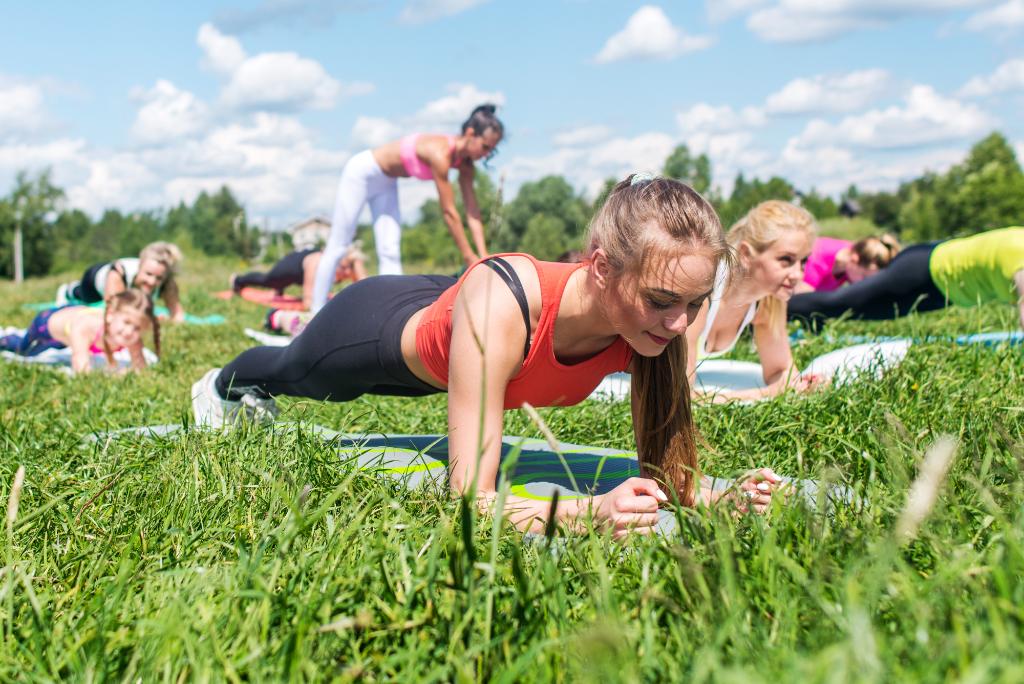
Core exercises train the muscles in your pelvis, lower back, hips and abdomen to work in harmony. Learn more and find out why core exercises are an important part of a well-rounded fitness program.  https://mayocl.in/2oZ4fPd

DEAR MAYO CLINIC: A few neighbors formed a running group to train for a marathon in 2021. I’m thinking about joining them as I know that running can be good exercise, but I’ve never run before. Is running a marathon actually good for my health? Should I do certain things to avoid injuries?
ANSWER: Being active and engaging in regular aerobic exercise is important for overall heart health and wellness. Typically, 30 minutes of moderate intensity activity five days a week is recommended for most healthy adults. Running is a simple, low-cost exercise, and you should be commended for starting a new exercise regimen.
As a first-time runner, I’d recommend that you talk with your health care provider about any concerns, especially if you have any health conditions, such as high blood pressure, heart issues or a history of prior musculoskeletal injuries. Ask your health care provider about any symptoms that you might want to watch for when you run.
Before starting out, I would suggest you invest in a good pair of running shoes and make sure that you warm up and stretch prior to any run. Focus on cross training with exercises that strengthen your hips and core.
If your neighbors are seasoned runners, you may want to consider joining a training program to help you build stamina and increase your mileage over time.
As a novice runner, a marathon may sound overwhelming, but recent research shows that it really could be the key to better health. A study out of the United Kingdom showed first-time marathon runners significantly improved their cardiovascular health during training for a 26.2-mile race.
Specifically, this study showed participants had improvements in overall cardiovascular health but particularly related to the stiffness of the aortic vessel. This is important because as people age, the body’s vessels become stiffer. This can be detrimental to your health since with stiff vessels your body has to work harder to pump blood.
In addition to runners having a substantial decrease in the stiffness of the aortic vessel, which moves blood throughout our body, the study found marathon training improved blood pressure.
The study looked at marathon runners six months prior to training and three week after they completed the London Marathon. On average, the subjects ran about 6 to 13 miles in training per week.
If running a marathon seems too daunting, consider a half marathon or a 5K. The cardiovascular benefits of running remain, no matter the distance. One of the most interesting findings of the UK study was that the slowest runners had the greatest improvements in cardiovascular health.
If running is not enjoyable or you have other issues — let’s say your knees or back make it challenging to run — you can still benefit from lacing up your sneakers. Walking regularly at a brisk pace can result in improvements in overall cardiovascular health and vessel stiffness.
Whatever activity you chose, the key is that you want to aim for at least 30 minutes of moderate intensity activity five days a week. Walking or running with the neighbors is a great way to combine exercise and socialization. And if you’re wondering about the definition of moderate intensity, you should be able to carry on a conversation, but you should not be able to carry a tune. —Dr. Sara Filmalter, Family and Sports Medicine, Mayo Clinic, Jacksonville, Florida